What is Laryngomalacia?
Pediatric airway disorders can affect a child’s breathing and comfort. One common condition is laryngomalacia. This means the soft tissues above the voice box are floppy. As a result, these tissues can fall over the airway when a baby breathes in. Because of this, noisy breathing is often heard in infants. Laryngomalacia is the most frequent cause of noisy breathing in babies. Most cases are mild and improve with time. However, some children need medical care. At Asian ENT Care Center, we help families understand and manage this condition.
Common Symptoms in Children
Many babies with laryngomalacia show signs early in life. Usually, symptoms appear within the first few weeks after birth. However, the signs may vary from child to child. Watch for these symptoms:
Although most children have mild symptoms, some may need extra care. If you notice any of these signs, it is important to seek help.
Causes and Risk Factors
Laryngomalacia happens because the tissues above the voice box are not firm enough. As a result, they collapse easily. The exact cause is not always clear. However, some factors may increase the risk:
According to the CDC, laryngomalacia is not caused by anything parents did or did not do. Most cases are not linked to infections or injuries. In addition, the condition is not contagious.
How Laryngomalacia is Diagnosed
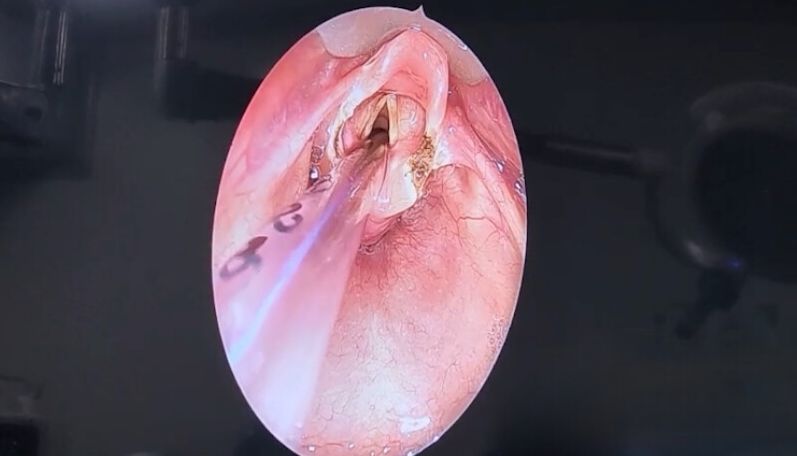
Doctors at Asian ENT Care Center use safe and simple tests to diagnose laryngomalacia. First, they will ask about your child’s symptoms and medical history. Next, they will listen to your child’s breathing. Sometimes, a small camera called a flexible laryngoscope is used. This tool helps the doctor look at the voice box and airway. The test is quick and does not cause pain. In rare cases, other tests like sleep studies or X-rays may be needed. Early diagnosis helps guide the best treatment for your child.
Treatment Options at Asian ENT Care Center
Most children with laryngomalacia do not need surgery. In fact, many outgrow the condition by 18 to 24 months. However, some children need extra support. At Asian ENT Care Center, we offer:
Because every child is unique, our team creates a care plan that fits your child’s needs. We use the latest guidelines from trusted sources like the WHO and leading medical journals.
Home Care and Lifestyle Tips
Even though laryngomalacia can be scary, most children do well with simple care at home. Here are some helpful tips:
Additionally, keep regular appointments with your ENT specialist. This helps track your child’s progress and catch any changes early.
Prevention and When to Seek Help
Currently, there is no known way to prevent laryngomalacia. However, early detection and care can make a big difference. If your child:
Seek medical help right away. Prompt care at Asian ENT Care Center can help your child breathe and grow better. Remember, most children recover fully with the right support.
If your child shows signs of laryngomalacia, consult a specialist at Asian ENT Care Center for personalized guidance.