
Introduction
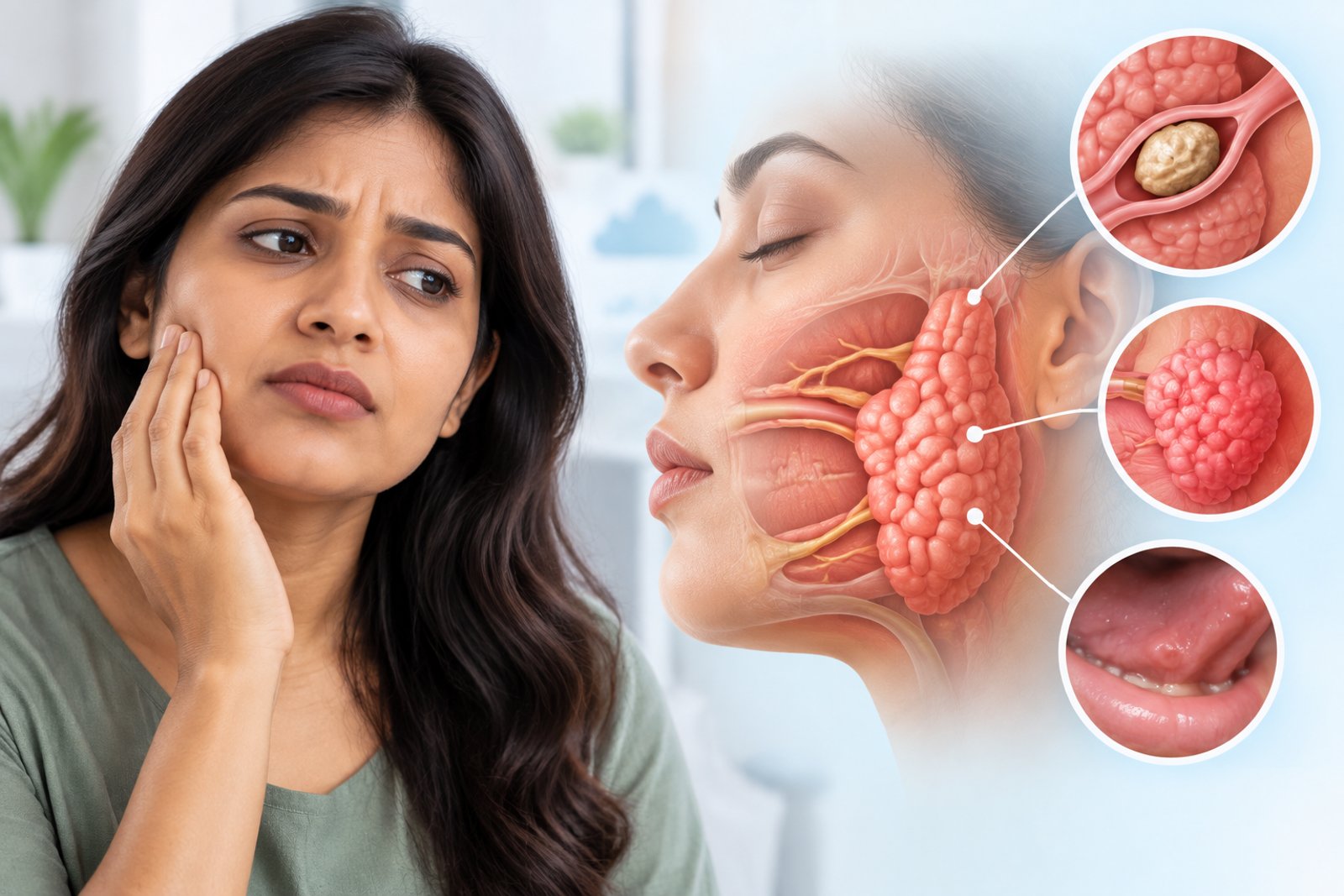
After sialendoscopy care is a key part of your recovery. Sialendoscopy is a gentle, minimally invasive treatment for blocked salivary glands. It helps remove stones or clear blockages in the salivary ducts. Because the procedure is gentle, most people recover quickly. However, proper care after sialendoscopy supports healing and lowers the chance of infection or recurrence. Therefore, it is important to follow your ENT specialist’s advice closely. Asian ENT Care Center is committed to guiding you through every step of your healing journey.
What Happens After Sialendoscopy?
After sialendoscopy, you may notice mild discomfort or swelling near your jaw or cheek. Usually, these symptoms improve within a few days. Some people feel a gradual return of normal saliva flow. However, recovery time can vary from person to person. Your ENT specialist will provide specific instructions based on your procedure and condition. If you have questions, do not hesitate to ask your care team.
Post-Sialendoscopy Care Instructions
Foods and Habits to Consider After Sialendoscopy
After sialendoscopy, follow your doctor’s dietary advice. Soft foods may be easier to eat at first. Avoid spicy, acidic, or very hot foods, as they may irritate your mouth. Instead, choose balanced meals with fruits, vegetables, and lean proteins. Do not smoke or use tobacco, as these can slow healing. Good nutrition and healthy habits support your recovery.
How to Prevent Recurrent Salivary Gland Problems
When Should You Contact an ENT Specialist After Sialendoscopy?
Contact your ENT specialist right away if you notice any of these warning signs:
Prompt care can prevent complications and support your recovery.
Importance of Follow-Up After Sialendoscopy
Follow-up visits are important for checking your healing progress. During these visits, your ENT can spot early signs of recurrence or infection. Regular check-ups also help keep your salivary glands healthy in the long term. Asian ENT’s team will guide you through each follow-up, making sure you feel supported at every stage.
Why Choose Asian ENT Care Center for Sialendoscopy Care?
Asian ENT Care Center offers complete care before, during, and after sialendoscopy. Their experienced ENT specialists use advanced tools and gentle techniques. You will receive clear instructions and personalized support for your recovery. The team focuses on patient comfort and safety at every step. With Asian ENT, you are never alone in your healing journey.
FAQs
How long does recovery take after sialendoscopy?
Most people feel better within a few days. However, full recovery may take up to two weeks. Your doctor will guide you based on your progress.
Can salivary stones come back after sialendoscopy?
Sometimes, stones can return. Good hydration, oral hygiene, and regular check-ups help lower this risk.
What foods should I avoid after sialendoscopy?
Avoid spicy, acidic, or very hot foods. These can irritate your mouth. Soft, mild foods are best during early recovery.
Why is hydration important after sialendoscopy?
Drinking water keeps saliva thin and helps prevent new blockages. It also supports healing and comfort.
When should I visit an ENT after sialendoscopy?
Attend all scheduled follow-ups. Visit sooner if you have swelling, pain, fever, or trouble eating.
Conclusion
Proper care after sialendoscopy is vital for recovery and long-term salivary gland health. By following your ENT’s advice and keeping good habits, you can reduce the risk of problems. If you have undergone sialendoscopy or experience recurring salivary gland symptoms, consult Asian ENT Care Center for expert follow-up care and personalized guidance.