What Is Hearing Loss?
Hearing loss means you cannot hear sounds as well as most people. It can happen to anyone, at any age. Sometimes, it starts slowly. For many, it gets worse over time. According to the World Health Organization (WHO), over 1.5 billion people worldwide have some hearing loss. Because hearing is important for daily life, it is vital to know the early signs of hearing loss and how to protect your ears.
Early Warning Signs of Hearing Loss
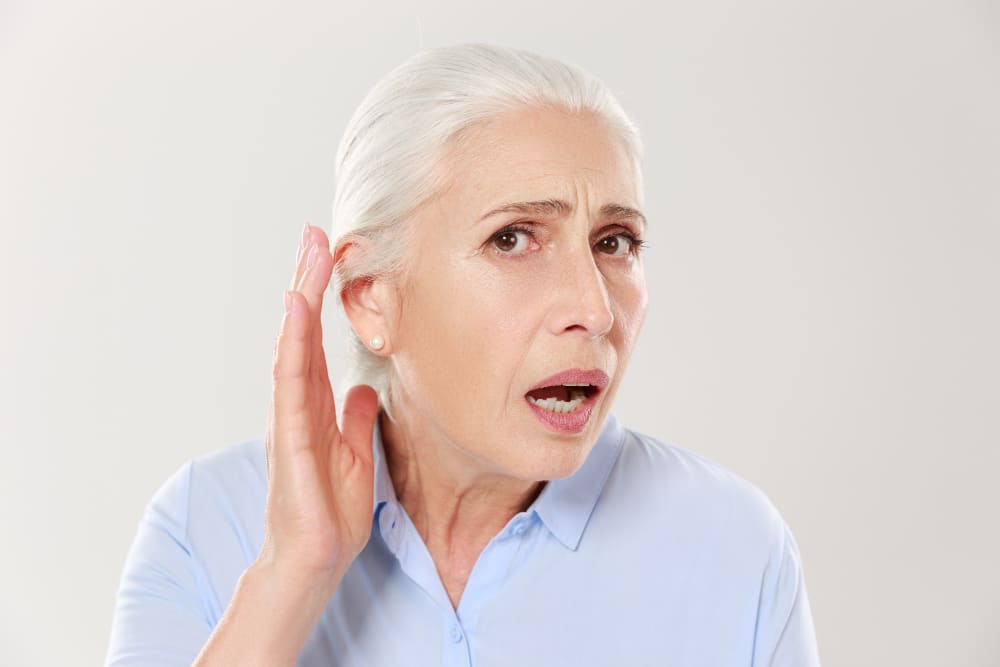
Often, hearing loss begins with small changes. However, these early signs can be easy to miss. If you notice any of the following, you may have early signs of hearing loss:
For example, you may notice you struggle to hear children’s voices or high-pitched sounds. If these symptoms appear, it is wise to pay attention and take action.
Common Causes and Risk Factors
Many things can cause hearing loss. Some causes are temporary, while others are permanent. Understanding the risks can help you prevent hearing loss.
Because these factors can add up, it is important to protect your ears every day.
How Hearing Loss Is Diagnosed
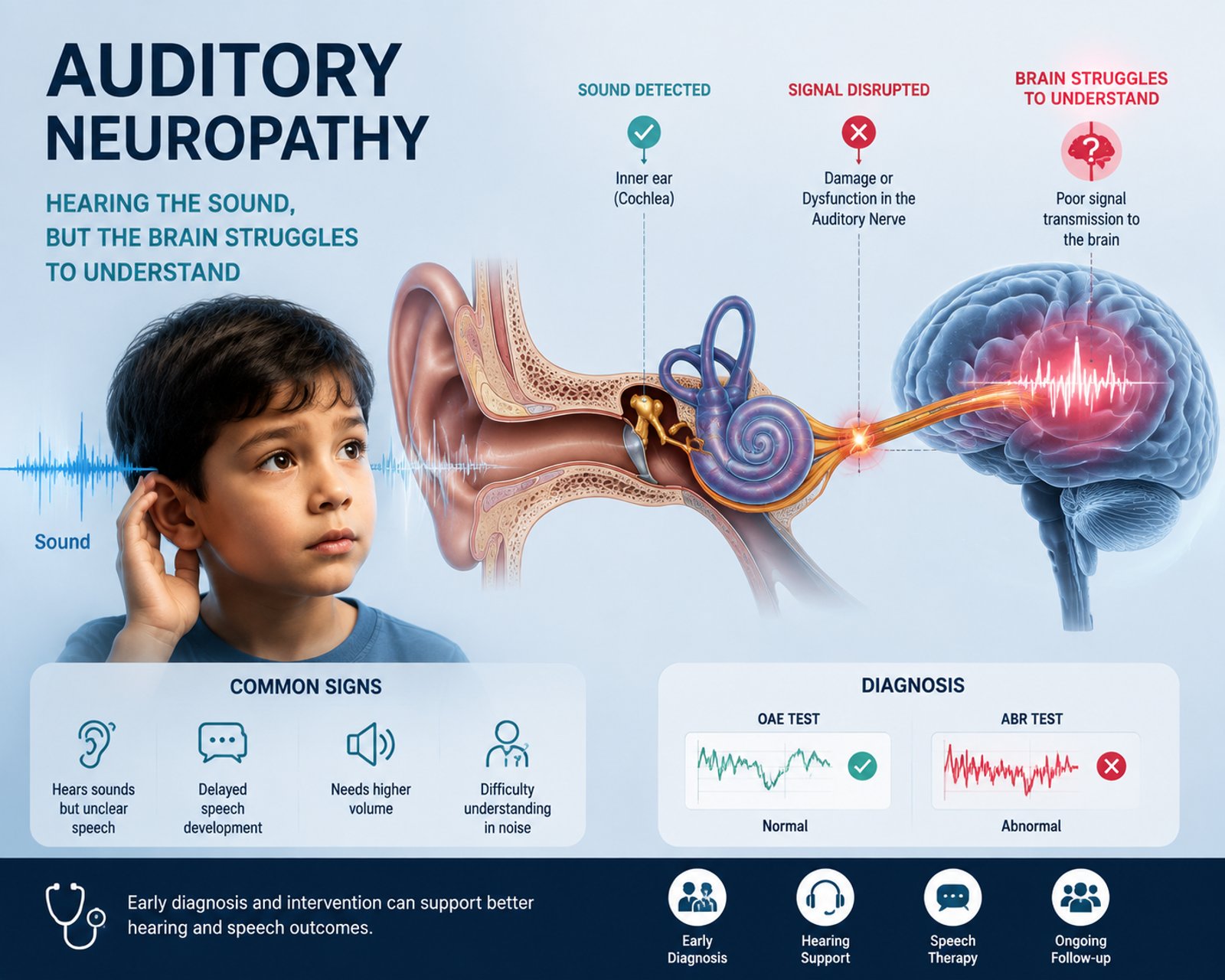
If you notice hearing loss symptoms, a doctor can help. Usually, an ENT (Ear, Nose, and Throat) specialist or audiologist will check your ears. First, they will ask about your symptoms and medical history. Next, they may look inside your ears with a special light. Then, you may take a simple hearing test. This test checks how well you hear different sounds and tones. Sometimes, more tests are needed to find the cause. Early diagnosis helps prevent further hearing loss and improves your ENT hearing health.
Practical Tips to Protect Your Ears and Prevent Hearing Loss
Protecting your ears is simple but important. Here are some easy ways to prevent hearing loss:
Additionally, teaching children about ear safety can help protect their hearing for life.
When to Seek Medical Advice
If you notice early signs of hearing loss, do not wait. It is best to see an ENT specialist or audiologist soon. You should seek help if:
Early treatment can prevent further damage and improve your quality of life.
Conclusion
In summary, hearing loss can affect anyone. However, knowing the early warning signs and how to protect your ears can make a big difference. If you notice hearing loss symptoms, do not ignore them. Consult Asian ENT Care Center for personalized hearing health advice.