
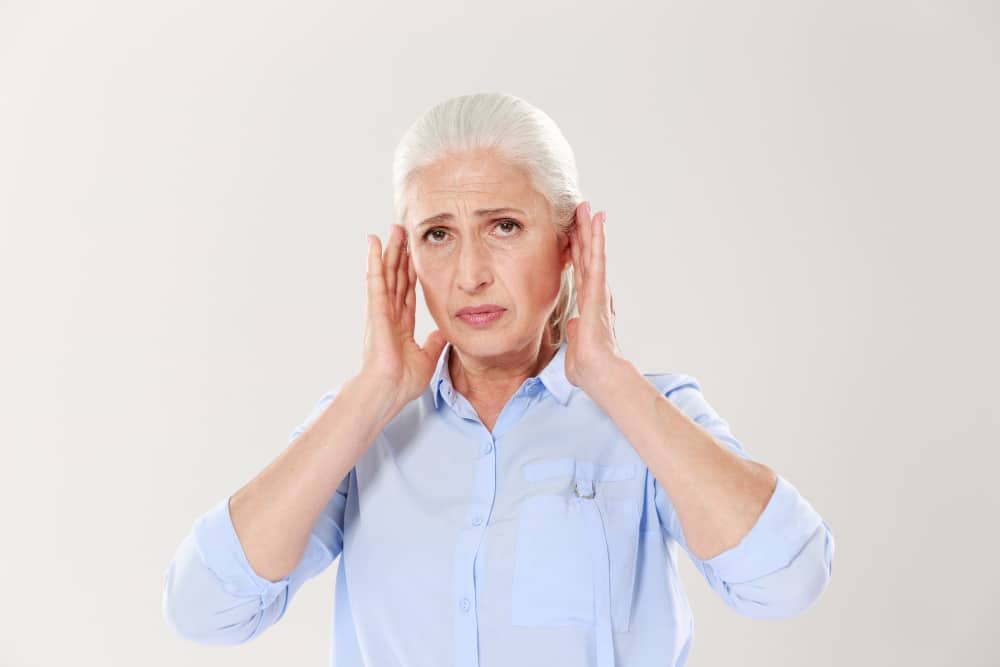
What is Tinnitus?
Tinnitus is the sensation of hearing sounds, like ringing or buzzing, when no external noise is present. Many older adults experience tinnitus, and it can affect daily life. Often, people describe it as a ringing in the ears. However, some may hear hissing, clicking, or roaring sounds. Tinnitus: Understanding and Coping Strategies for Older Adults is important because this condition is common as people age. According to the World Health Organization, tinnitus affects millions worldwide, especially seniors.
Common Symptoms in Older Adults
Older adults may notice different types of tinnitus. While some sounds are soft, others can be loud or constant. For example, you might hear:
In addition, tinnitus may come and go or stay all the time. Sometimes, it can make it hard to sleep or focus. Many seniors also report feeling stressed or anxious because of these sounds.
Causes and Risk Factors
There are several causes of tinnitus in older adults. Most often, it is linked to age-related hearing loss. However, other factors can also play a role. For instance, ear infections or earwax buildup may trigger tinnitus. In some cases, certain medicines can cause ringing in the ears. Additionally, long-term exposure to loud noises increases the risk. Some common risk factors include:
Because these factors are common in seniors, tinnitus often appears later in life.
Diagnosis and When to Seek Help
If you notice ringing in your ears, it is important to talk to a doctor. An ENT specialist can help diagnose tinnitus. Usually, they will ask about your symptoms and medical history. Next, they may check your ears and hearing. Sometimes, tests like hearing exams or imaging scans are needed. You should seek help if:
Early diagnosis helps rule out serious problems and find the best treatment.
Effective Coping Strategies
While there is no cure for tinnitus, many coping strategies can help. For example, you can try:
Moreover, some people find relief through sound therapy or cognitive behavioral therapy. These methods can reduce the impact of tinnitus on daily life.
Lifestyle Tips for Managing Tinnitus
Simple lifestyle changes can make tinnitus easier to manage. For instance, you can:
Additionally, staying connected with friends and family can help reduce stress. If you live in a city, look for tinnitus support in your area for extra help.
Prevention and Long-Term Outlook
Although not all cases can be prevented, you can lower your risk. Always protect your ears from loud sounds. Also, have regular hearing checks, especially as you age. If you take medicines, ask your doctor if they can affect your hearing. With the right support, most older adults can manage tinnitus well. Over time, many people find that symptoms become less bothersome.
If you or a loved one struggles with tinnitus, do not wait. Consult an ENT specialist at Asian ENT Care Center for personalized tinnitus management and support.