Introduction
Noise-induced hearing loss is a common problem today. Many people lose hearing from loud noise at work, concerts, or even at home. In fact, the World Health Organization warns that over 1 billion young people are at risk due to unsafe listening habits. Because hearing loss from noise can be permanent, it is important to know how to protect your ears from noise.
This blog explains the causes, symptoms, diagnosis, treatment, and ways to prevent hearing damage.
What is Noise-Induced Hearing Loss?
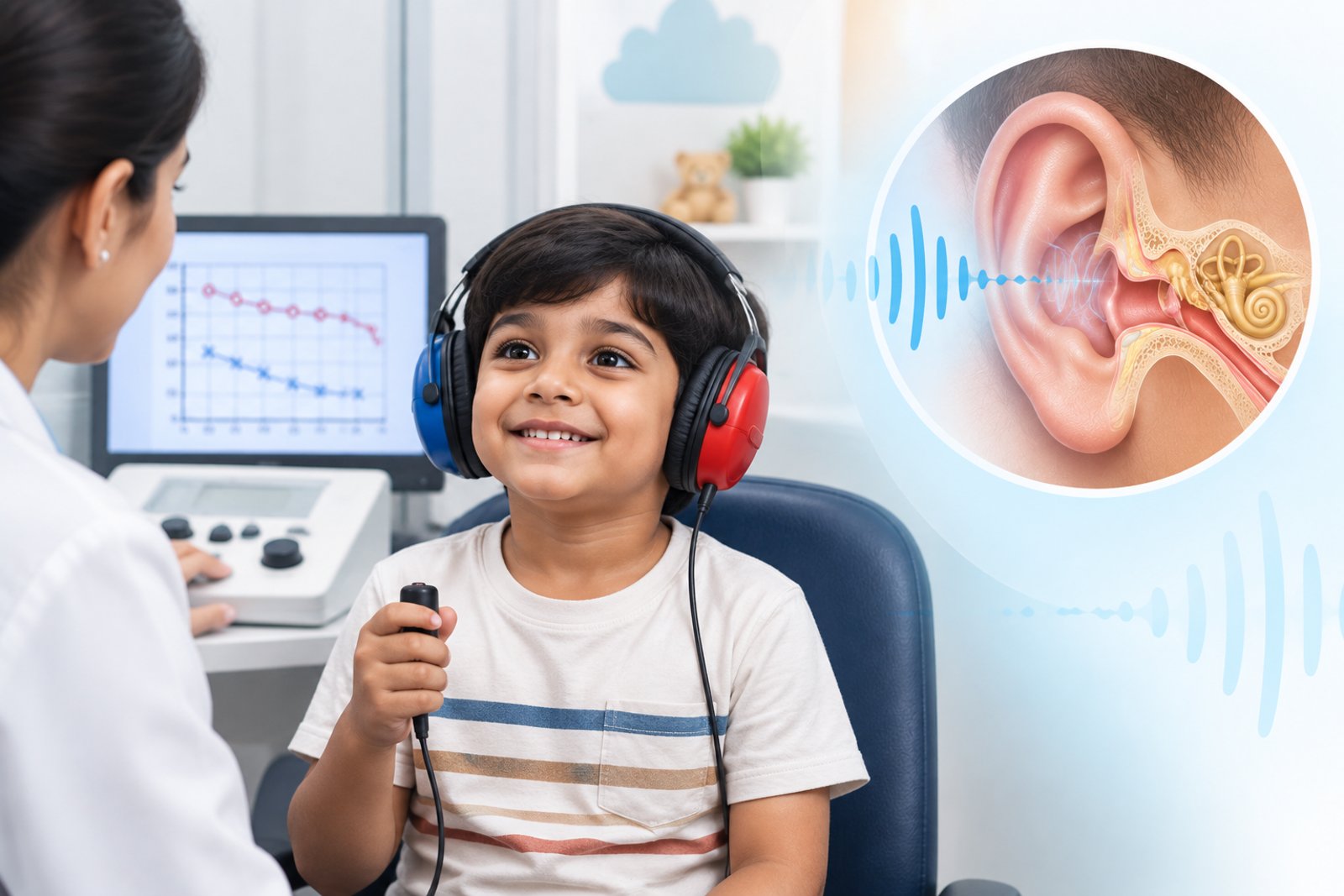
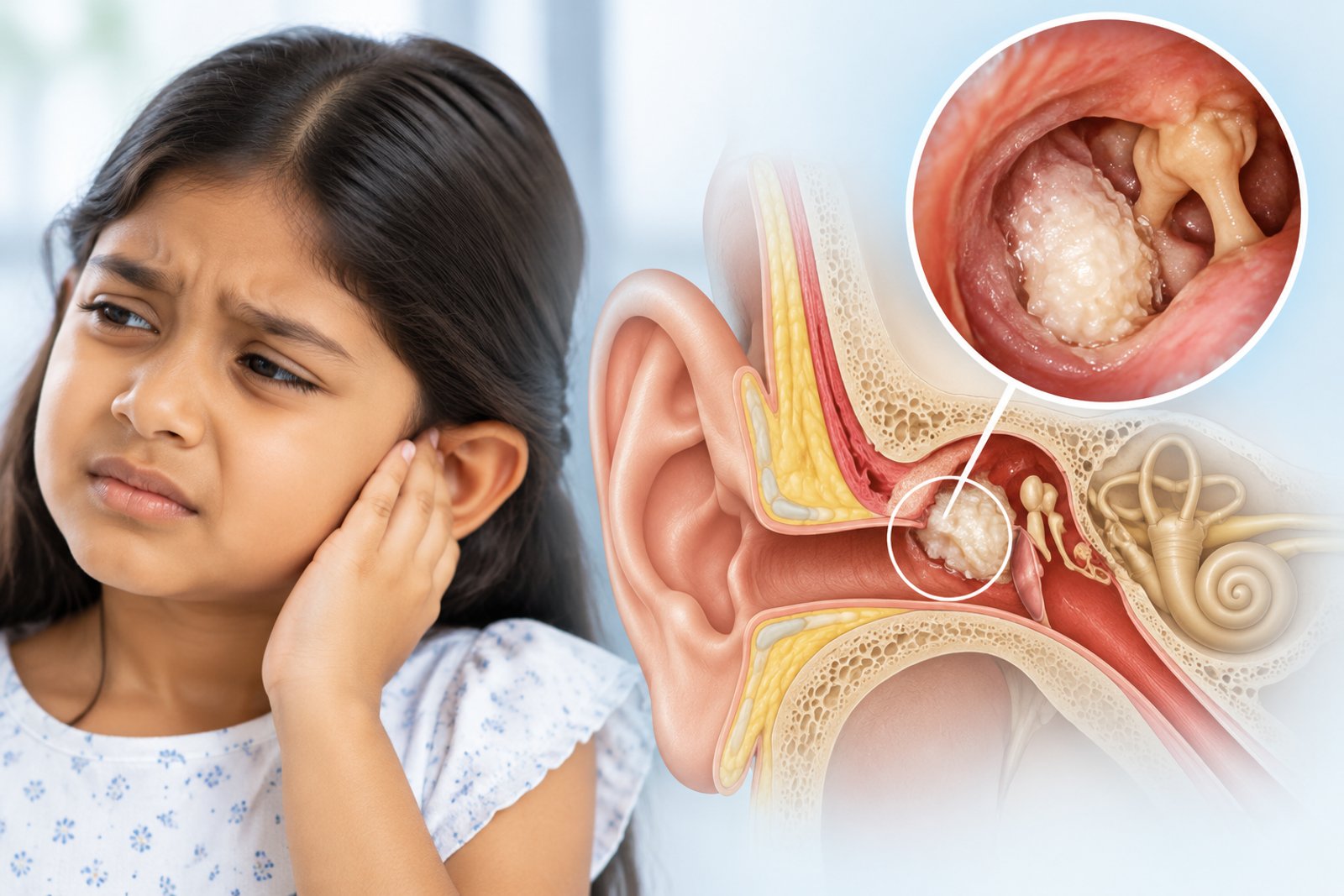
Noise-induced hearing loss happens when loud sounds damage the tiny hair cells in your inner ear. These cells help you hear. Once they are damaged, they do not grow back. As a result, you may have trouble hearing, especially in noisy places. Anyone can get this type of hearing loss, but it is more common in people who are often around loud sounds.
Common Causes
Many everyday sounds can be loud enough to cause hearing loss. For example, some people work in noisy places, while others enjoy loud music. Here are some common causes:
Key Symptoms
Early signs of noise-induced hearing loss can be easy to miss. Still, noticing symptoms early can help you get help sooner. Watch for these signs:
Sometimes, symptoms appear right after loud noise. Other times, they develop slowly over years.
How It’s Diagnosed
If you notice hearing problems, it is wise to see a doctor. Usually, an ENT specialist or audiologist will ask about your noise exposure. Next, they will check your ears and may do a hearing test. This test, called an audiogram, measures how well you hear different sounds. In some cases, more tests are needed to rule out other causes. Early diagnosis can help prevent further hearing damage.
Treatment Options
Unfortunately, hearing loss from loud noise cannot be reversed. However, there are ways to manage it. For example, treatment options include:
In rare cases, cochlear implants may help people with severe hearing loss. But, the best approach is to prevent further damage by avoiding loud noise.
Prevention Tips
Protecting your ears from noise is the best way to avoid hearing loss. Here are some simple tips:
Because hearing loss from noise is permanent, prevention is key. Even small changes can make a big difference.
When to See a Doctor
If you notice any signs of hearing loss, do not wait. For example, if you hear ringing in your ears or struggle to follow conversations, see an ENT specialist at Asian ENT hospital. Early help can stop the problem from getting worse. Also, regular hearing checks are a good idea if you are often around loud noise.
In summary, noise-induced hearing loss is preventable with the right precautions and early care. Protecting your ears from excessive noise exposure today can help preserve your hearing health for years to come. If you notice ringing in the ears, difficulty hearing conversations, or hearing changes after loud noise exposure, seek expert medical guidance. Consult Asian ENT Hospital for personalized evaluation, advanced hearing care, and effective treatment options to safeguard your hearing for life.