
Introduction
Chronic sinusitis in adults is a long-lasting inflammation of the sinuses. These are air-filled spaces in your face and head. When sinusitis becomes chronic, symptoms last for 12 weeks or longer. Because this condition can affect daily life, knowing the symptoms and treatments is important. Early care can help prevent problems and improve your quality of life.
What Is Chronic Sinusitis in Adults?
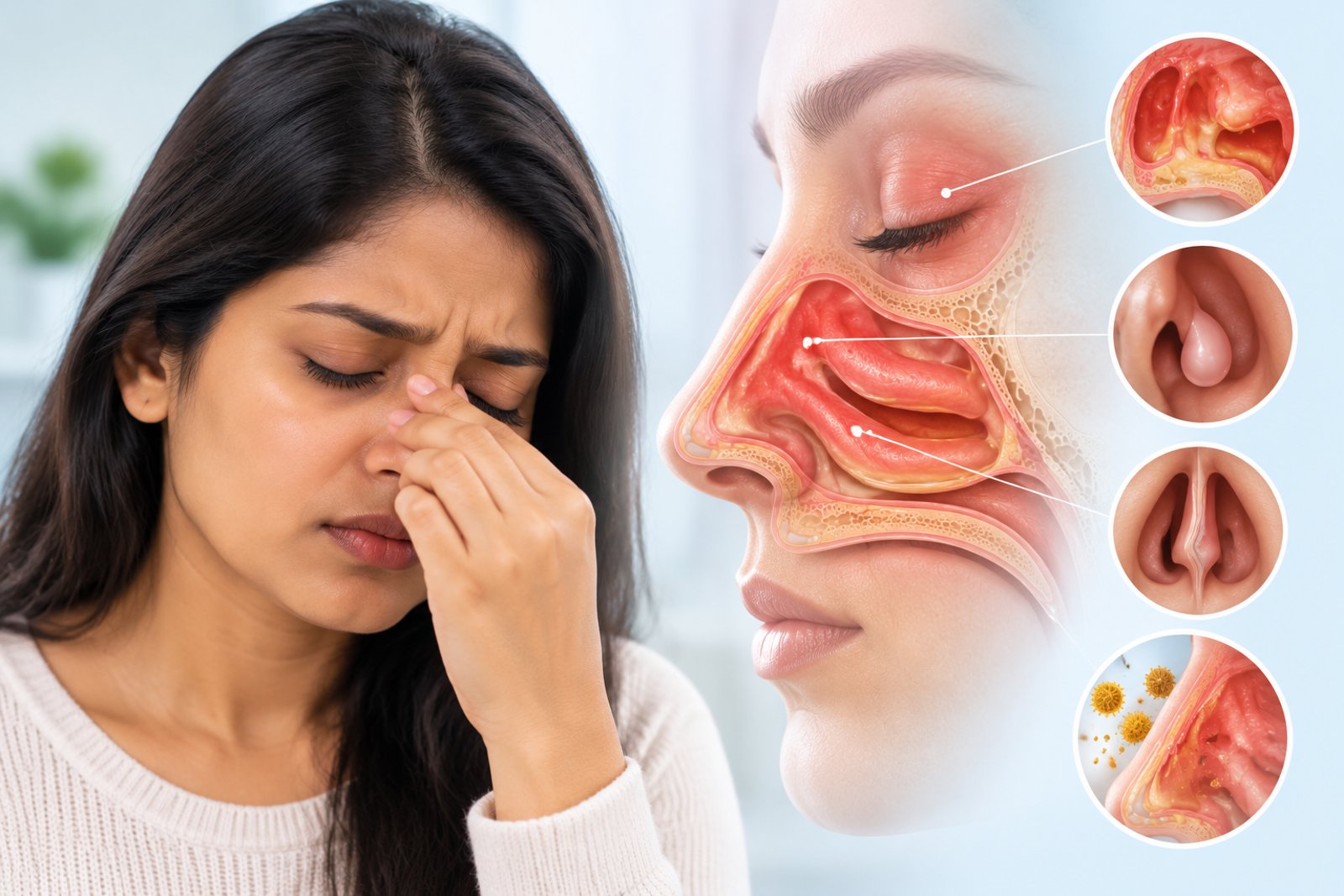
Chronic sinusitis in adults means the sinuses stay swollen for a long time. This swelling blocks normal drainage. As a result, mucus builds up. People may feel pressure or pain in the face. In many cases, chronic sinusitis can lead to tiredness and trouble breathing through the nose. Over time, it can affect sleep and daily activities. According to the CDC, millions of adults in the United States experience sinus problems each year.
Common Symptoms of Chronic Sinusitis
Chronic sinusitis symptoms can be mild or severe. However, they often last for months. Look for these signs:
Sometimes, people also have mild fever or tooth pain. If you notice these symptoms for more than 12 weeks, you may have chronic sinusitis.
Causes and Risk Factors
Many things can cause chronic sinusitis in adults. For example, infections from viruses, bacteria, or fungi can lead to swelling. Allergies, such as hay fever, often play a role. In addition, nasal polyps (small growths in the nose) can block airflow. Other risk factors include:
Because these factors can increase your risk, it is helpful to manage them when possible.
Diagnosis
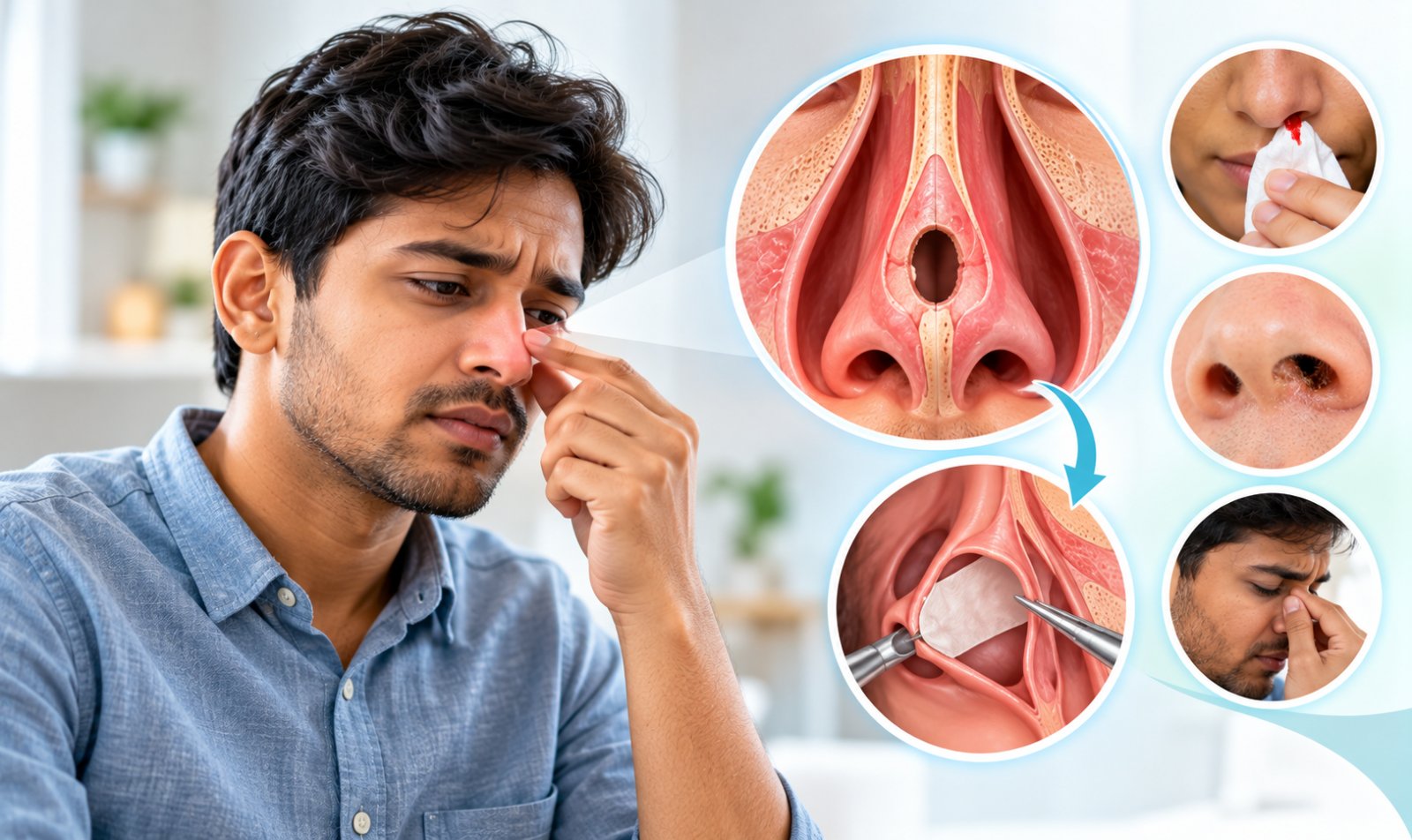
Chronic sinusitis is diagnosed with the help of your symptoms and medical history later a physical examination is also done then the doctor would examine your nose using an endoscope and do the necessary test needed.
These steps help find the cause and guide the best treatment.
Effective Treatments for Chronic Sinusitis
There are many ways to treat chronic sinusitis in adults. Treatment depends on the cause and severity. For mild cases, home care may help. However, some people need medical treatment. Common options include:
In some cases, surgery may be needed to remove polyps or fix nasal problems. Always talk to your doctor before starting any treatment. If symptoms get worse or do not improve, seek medical help. According to the American Academy of Otolaryngology, seeing an ENT specialist for sinusitis can help find the best treatment plan.
Lifestyle Tips and Prevention
Simple steps can help manage and prevent chronic sinusitis. For example, you can:
Because prevention is easier than treatment, these habits can make a big difference.
When to See an ENT Specialist
Sometimes, home care is not enough. You should see an ENT specialist for sinusitis if:
Early care from a specialist can prevent problems and improve your health.
Consult an ENT specialist at Asian ENT Care Center for personalized advice on managing chronic sinusitis.