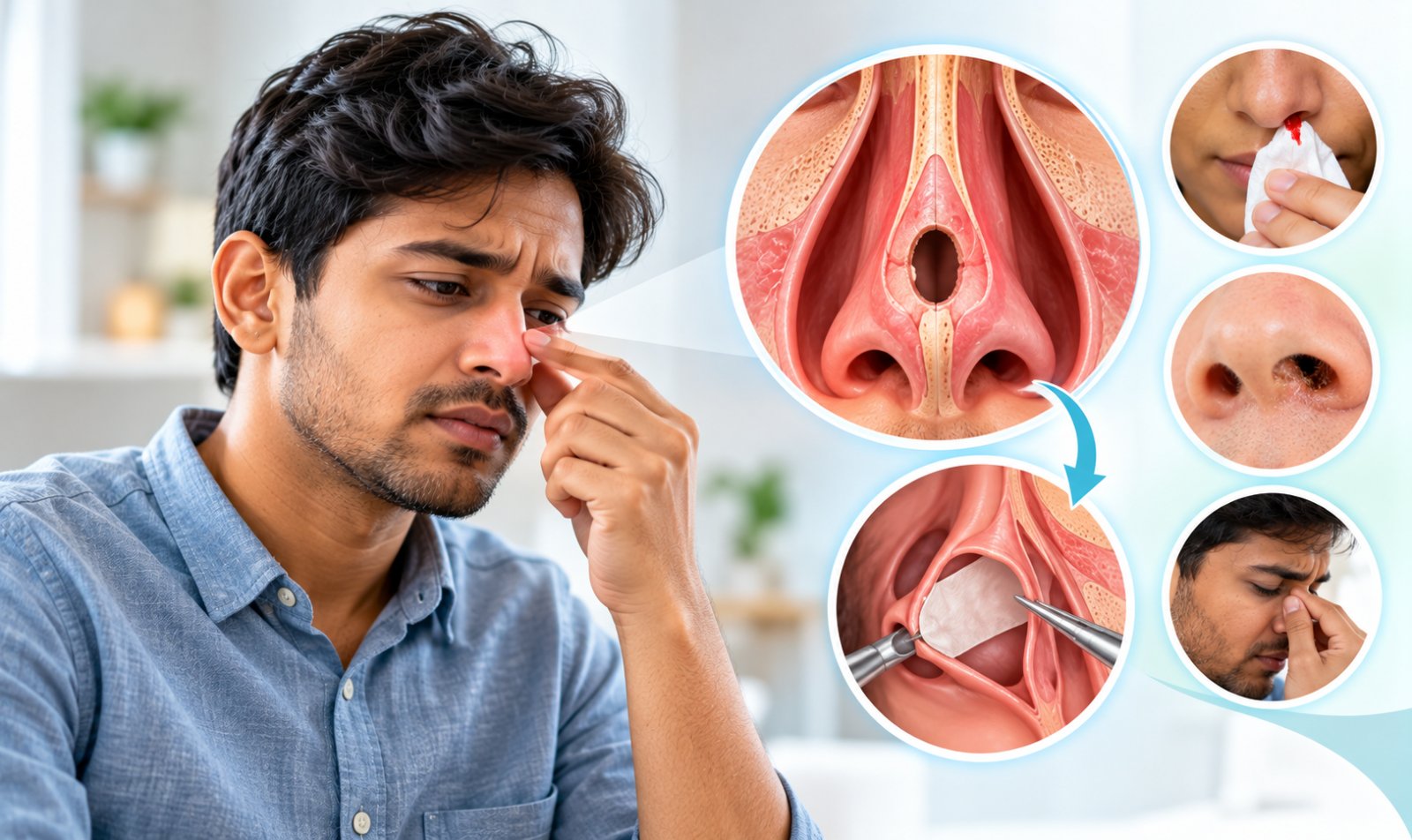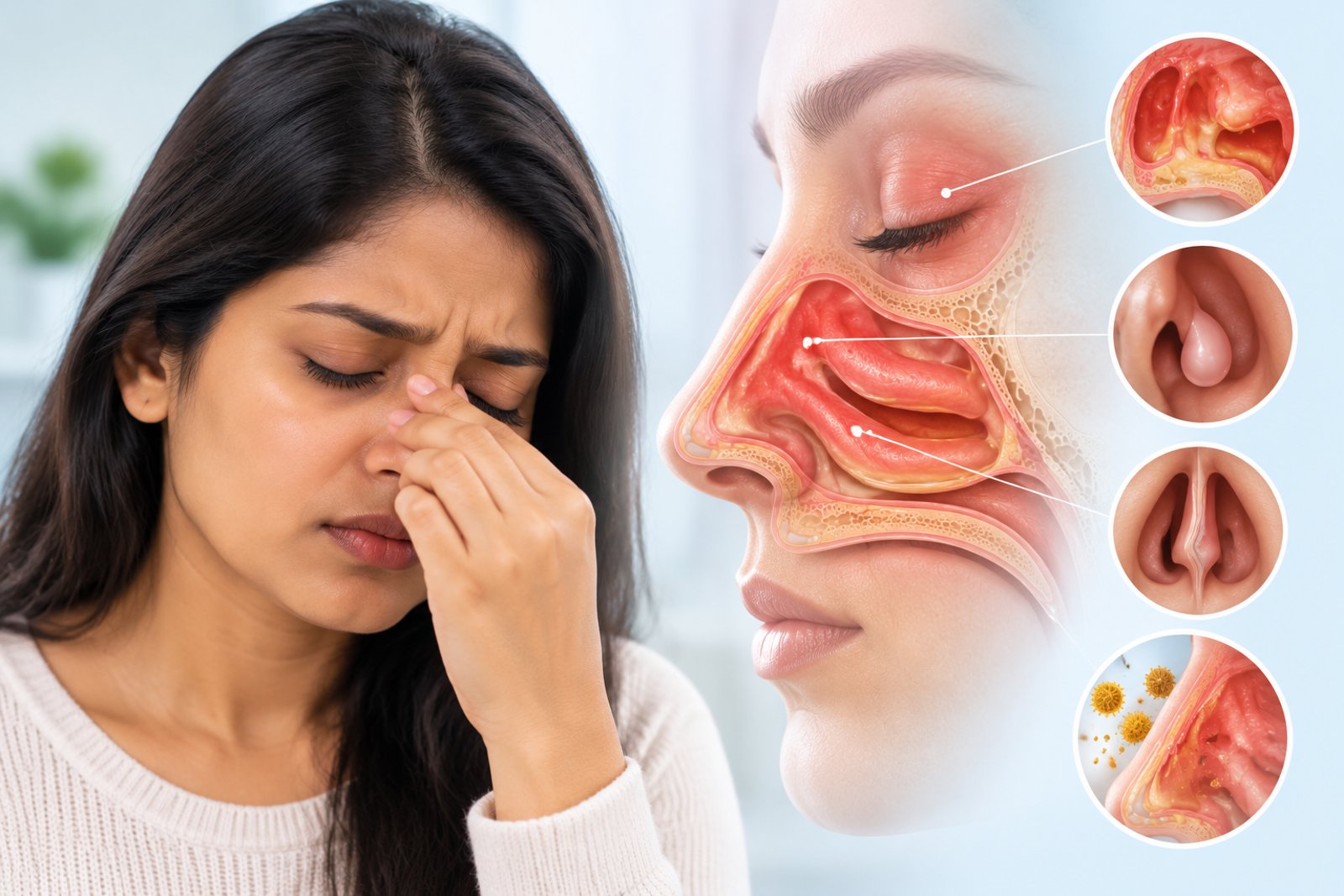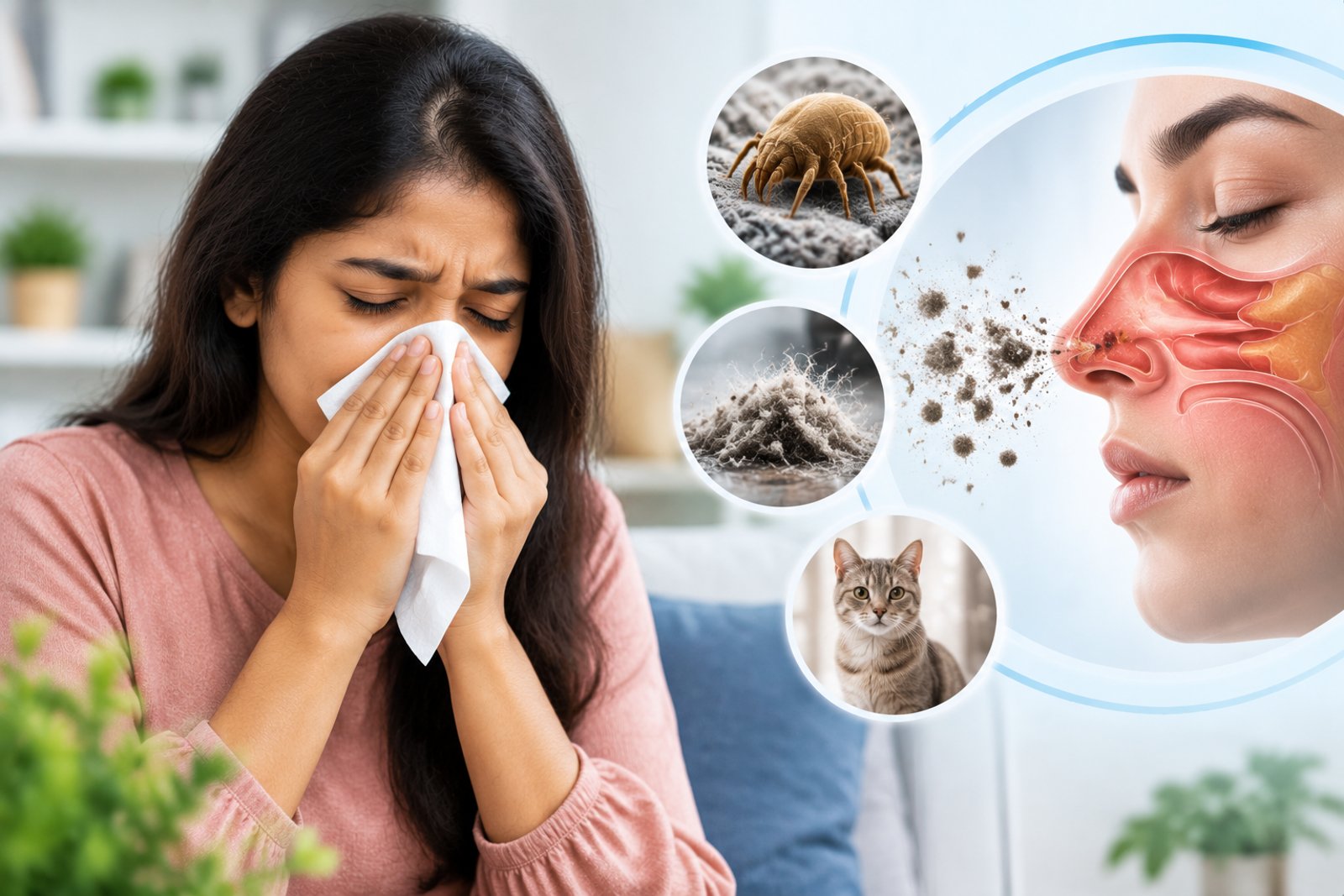

Nasal bleeding (epistaxis) in older adults is a common concern. Many seniors and their caregivers worry when nosebleeds happen. Although most nosebleeds are not serious, they can be scary. For older adults, nosebleeds may occur more often and last longer. Because of this, understanding the causes and management of epistaxis in elderly people is important. This blog will help you learn about nosebleeds in seniors, what causes them, and how to manage and prevent them.
What Is Nasal Bleeding (Epistaxis)?
Nasal bleeding, also called epistaxis, means blood flows from one or both nostrils. Sometimes, the bleeding is light and stops quickly. Other times, it can be heavy or hard to stop. While nosebleeds can happen at any age, they are more common in older adults. This is because the blood vessels in the nose become fragile with age. As a result, even a small injury or dryness can cause bleeding.
Common Causes of Nasal Bleeding in Older Adults
There are many reasons why nosebleeds in seniors happen. Some causes are simple, while others need medical attention. Understanding these causes can help prevent future nosebleeds.
Because older adults often take medicines or have health issues, they may face a higher risk of nosebleeds.
Recognizing Symptoms and When to Seek Help
Usually, a nosebleed is easy to spot. Blood may drip from one or both nostrils. Sometimes, blood can flow down the throat. While most nosebleeds stop on their own, some signs mean you should get help right away:
If you notice these signs, seek medical care quickly. Early help can prevent serious problems.
Diagnosis: How Doctors Identify the Cause
Doctors use several steps to find out why nosebleeds in seniors happen. First, they ask about your health history and any medicines you take. Next, they may look inside your nose with a small light. Sometimes, they order blood tests to check for bleeding problems. In rare cases, they may use a camera to look deeper inside the nose. Because some causes are serious, it is important to follow your doctor’s advice.
Management and Treatment Options
Most nosebleeds in older adults can be managed at home. However, some cases need medical care. Here are common steps to manage nosebleeds:
If bleeding does not stop, a doctor may use special medicines, pack the nose, or seal the blood vessel. In some cases, they may adjust your medicines. For severe or frequent nosebleeds, an ENT specialist may offer more advanced treatments.
Prevention Tips for Older Adults
There are simple ways to lower the risk of nosebleeds in seniors. Try these tips:
By following these steps, you can help prevent nosebleeds in seniors.
Lifestyle Guidance and Home Care
Besides prevention, daily habits can make a big difference. For example, drink plenty of water to stay hydrated. Also, avoid smoking, as it dries out the nose. If you use oxygen at home, ask your doctor about humidifiers. When cleaning your nose, do so gently. If you live in a dry area, consider a humidifier for your bedroom. Always keep your doctor informed about any new or frequent nosebleeds. This helps ensure you get the right care.
In summary, nasal bleeding (epistaxis) in older adults is common but often manageable. With the right steps, most nosebleeds can be treated at home. However, frequent or severe nosebleeds need medical attention. If you or a loved one experiences frequent nosebleeds, consult an ENT specialist at Asian ENT Care Center for personalized guidance.