Introduction
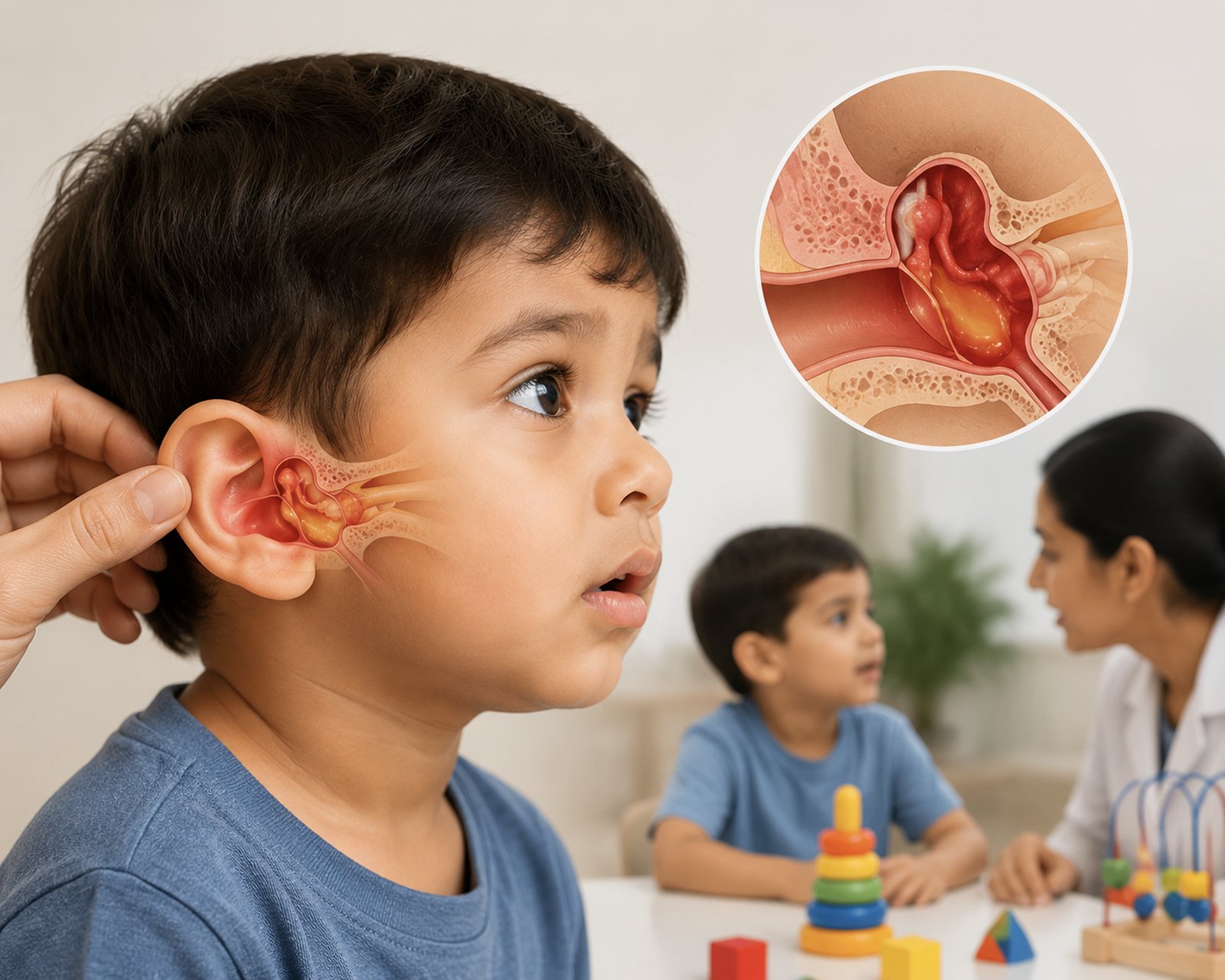
Foreign body removal means taking out objects that get stuck in the ear or nose. Often, children place small things like beads or food in these areas. However, adults can also face this problem. The process of foreign body removal is important to prevent pain, infection, or damage. In this blog, you will learn about symptoms, causes, safe removal steps, and when to seek ENT emergency care. We will also share tips to prevent these accidents, especially in children.
Common Symptoms and Signs of a Foreign Object
Sometimes, it is easy to spot when something is stuck in the ear or nose. However, symptoms can vary. Watch for these signs:
For example, a child may cry or complain of pain. Sometimes, you may notice a change in behavior. If you see these signs, check for a foreign object.
Typical Causes and Risk Factors
Children are more likely to put objects in their ears or noses. However, adults can also face this issue. Common causes include:
Additionally, children with developmental delays are at higher risk. Always supervise young children during playtime.
Precautions at home
Sometimes, you can remove the object at home. However, safety comes first. Try these steps only if the object is easy to see and not deeply stuck:
However, if you feel unsure, stop and seek medical help. Trying too hard can push the object deeper.
When to Seek Medical Help and Dangers of Improper Removal
Sometimes, home removal is not safe. Seek ENT emergency care if:
Improper removal can cause injury, infection, or hearing loss. Therefore, it is best to let a doctor handle difficult cases. According to the CDC, batteries and magnets are especially dangerous and need urgent care.
Diagnosis and Treatment by ENT Specialists
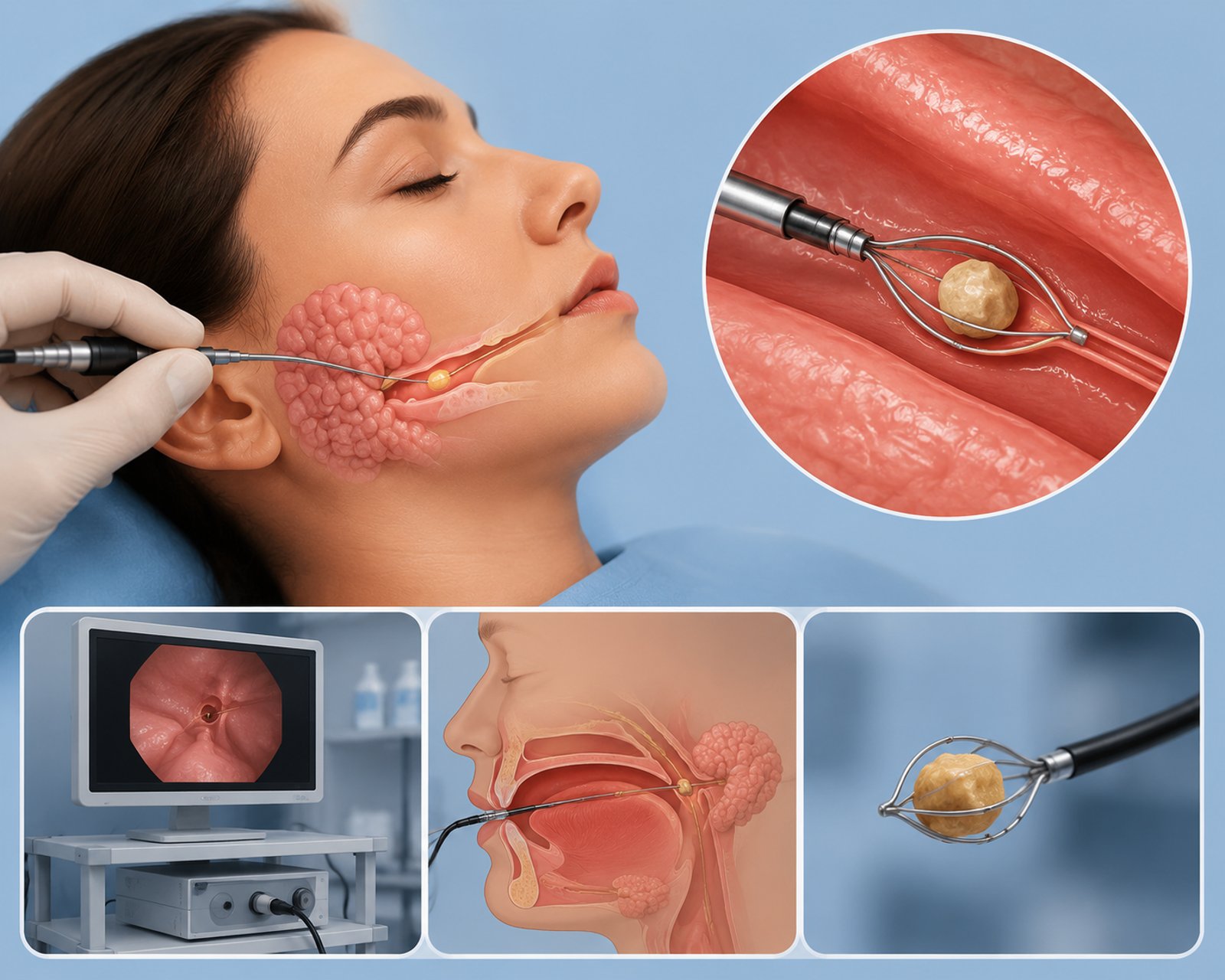
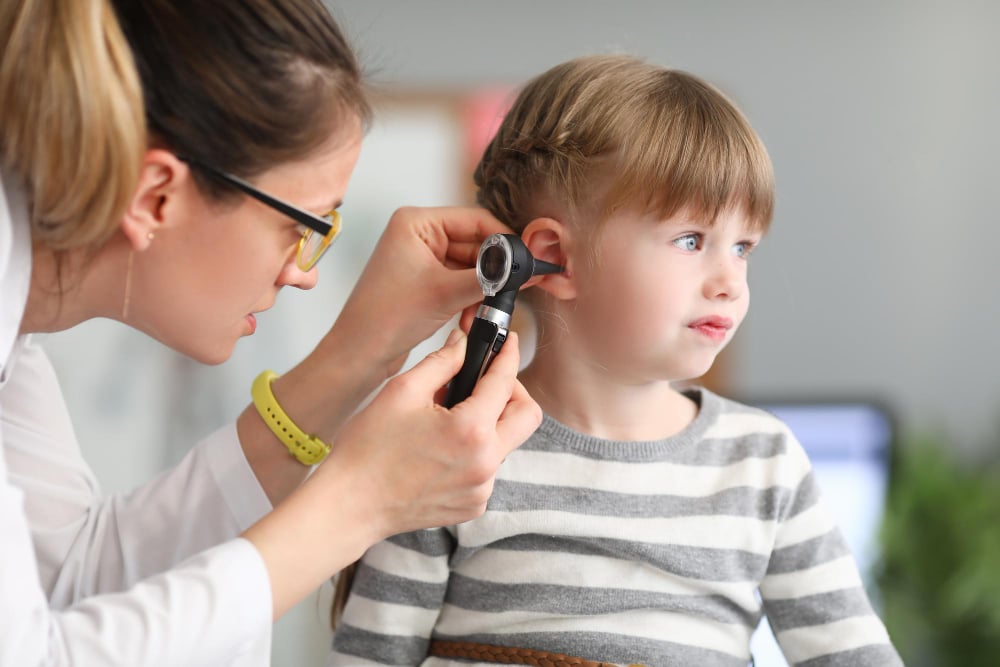
ENT specialists use special tools and lights to see inside the ear or nose. They may use suction, forceps, or small hooks for safe removal. Sometimes, they use numbing drops to reduce pain. In rare cases, sedation may be needed, especially for children. After removal, the doctor may check for injury or infection. They may also prescribe medicine if needed. ENT specialists are trained to handle even tricky cases safely.
Prevention Tips and Safety Advice
Preventing foreign body accidents is easier than treating them. Try these tips:
Additionally, talk to your child about the dangers. Early education helps prevent accidents.
Conclusion
Foreign body removal is important for health and safety. While some cases are simple, others need expert care. If you are unsure or the object is hard to remove, do not wait. Consult Asian ENT Care Center for personalized guidance and safe removal.