
Introduction
Have you ever noticed your voice becoming hoarse after talking for a while? Maybe you find it hard to keep your voice sounding normal. Sometimes, you might clear your throat often or feel tired after speaking for long periods. These problems can worry anyone, especially if your job depends on your voice. Vocal cord nodules are small, non-cancerous growths that form on your vocal cords. They often happen because of repeated stress or irritation. Singers, teachers, public speakers, and others who use their voice a lot are more likely to get vocal cord nodules. At Asian ENT Care Centre, we help people with voice hoarseness and other voice issues every day.
What Are Vocal Cord Nodules?
Your vocal cords are two bands of tissue inside your voice box. They open and close to help you breathe, speak, and make sounds. When you talk or sing, your vocal cords come together and vibrate. However, if you use your voice too much or in the wrong way, the cords can rub against each other too often. Over time, this repeated friction can cause small, soft bumps called nodules to form. Unlike temporary voice strain, vocal cord nodules do not go away quickly with rest. They need special care and attention to heal.
Causes of Vocal Cord Nodules
Many things can lead to the development of vocal cord nodules. For example, using your voice too much or too loudly can put extra stress on your vocal cords. In addition, speaking for long periods without breaks can also cause problems. Other common causes include:
Because these factors can add up over time, it is important to protect your voice whenever possible.
Symptoms of Vocal Cord Nodules
Vocal cord nodules can affect your voice in many ways. You may notice:
Sometimes, these symptoms can get worse if you keep using your voice without rest.
How Are Vocal Cord Nodules Diagnosed?
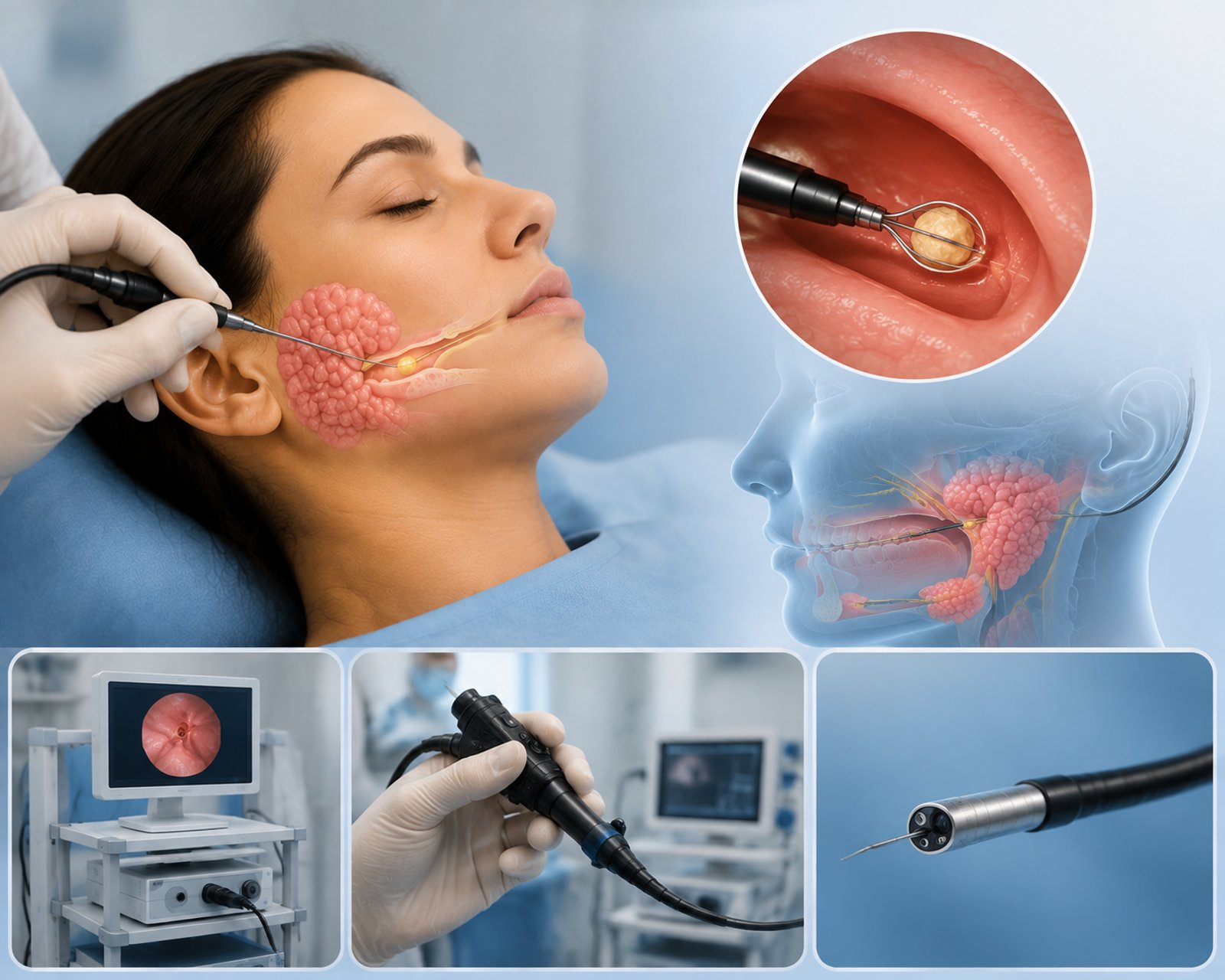
If you have ongoing voice problems, an ENT specialist at Asian ENT Care Centre can help. First, the doctor will ask about your voice history and any symptoms you have. Next, a clinical examination of your throat and voice box is done. Often, a test called laryngoscopy is used. During this test, a small camera is gently passed through your nose or mouth to look at your vocal cords. This helps the doctor see any nodules or swelling. The doctor will also check how your vocal cords move when you speak or breathe. With these steps, the ENT clinic in your city can give you a clear diagnosis.
Treatment Options for Vocal Cord Nodules
Treating vocal cord nodules usually starts with simple steps. For example, voice rest is important to let your vocal cords heal. You may also need to change how you use your voice. Voice therapy with a speech-language professional can teach you better speaking habits and correct breathing techniques. This helps reduce strain on your vocal cords. In some cases, treating acid reflux or other irritants is needed. If nodules do not improve with these methods, surgery may be considered. However, surgery is only used when other treatments do not work.
Voice Care Tips
Taking care of your voice can help prevent nodules and other problems. Here are some tips:
These simple steps can make a big difference in your voice health.
When Should You Consult an ENT Specialist?
Sometimes, voice changes can be a sign of a bigger problem. You should see an ENT specialist if:
Early evaluation at an ENT clinic in your area can help you get the right treatment.
Why Choose Asian ENT Care Centre?
At Asian ENT Care Centre, we offer expert care for voice and throat problems. Our team provides thorough voice and throat evaluations. We use advanced ENT diagnostic tools to find the cause of your symptoms. Each patient receives a personalised treatment plan. Above all, our goal is to help you regain a healthy, strong voice.