
Introduction
Sudden hearing loss (SHL) is a frightening and urgent medical condition. It happens when you lose hearing suddenly, often in one ear. Sometimes, this loss occurs over a few hours or up to three days. Because sudden hearing loss can affect anyone, it is important to know that it needs immediate medical attention. If you wait, the chance of getting your hearing back drops. For this reason, sudden hearing loss is a medical emergency that can’t wait till tomorrow.
Understanding Sudden Hearing Loss
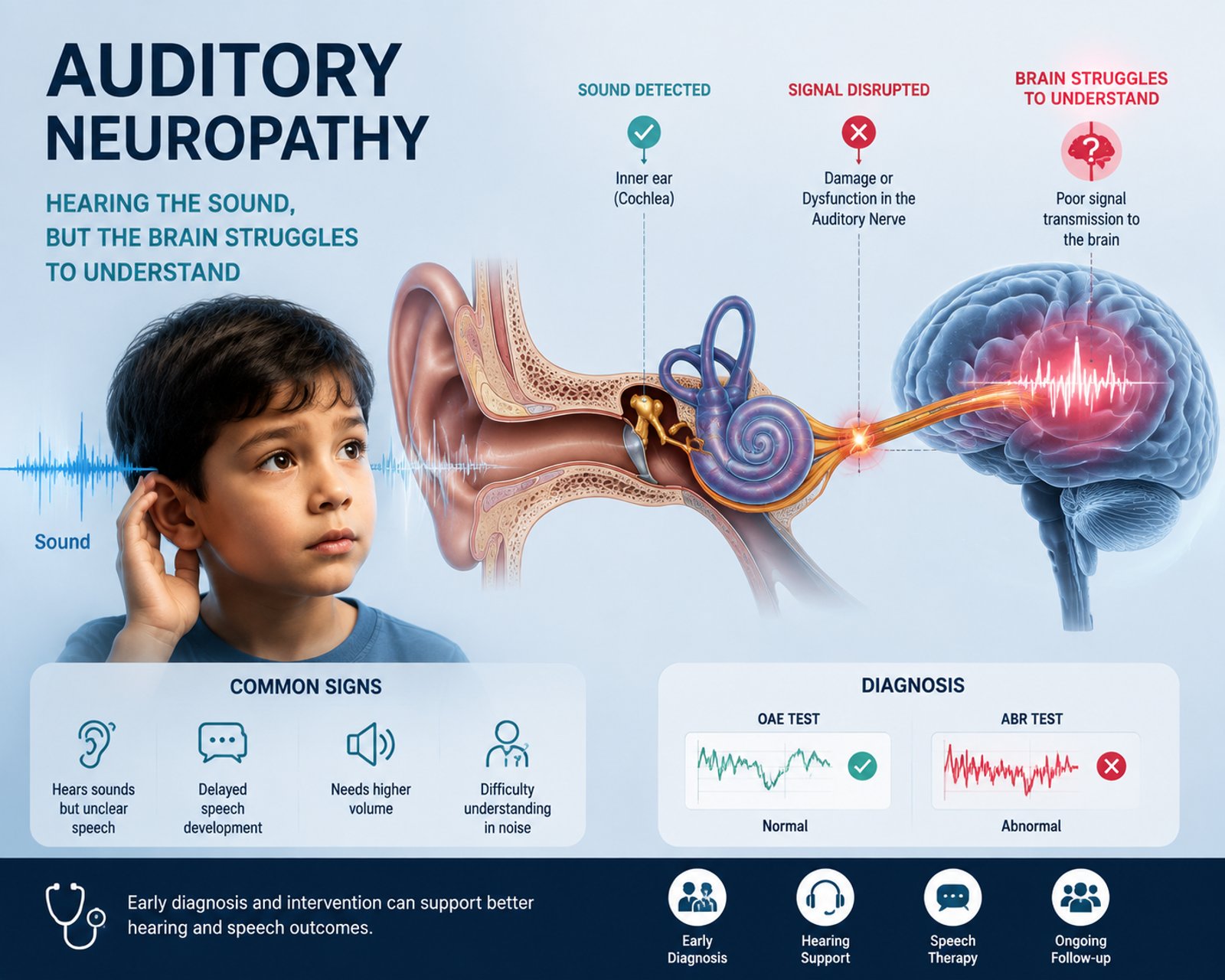
Sudden hearing loss means you lose at least 30 decibels of hearing across three nearby sound pitches within 72 hours. This type of hearing loss is called sensorineural, which means it affects the inner ear or the nerve that carries sound to the brain. Often, people notice it when they wake up or suddenly can’t hear on the phone with one ear.
Common symptoms include:
There are several main causes of sudden hearing loss. These include:
According to the CDC and medical journals, most cases have no clear cause, but early treatment is always best.
Why Immediate Attention Matters
Sudden hearing loss is a true medical emergency. If you wait, the chance of full recovery drops quickly. Studies show that getting treatment within 24 to 48 hours gives you the best chance to regain hearing. On the other hand, waiting even a few days can lead to permanent hearing loss.
Prompt care offers many benefits:
Therefore, if you notice sudden hearing loss, seek emergency hearing loss care right away.
Diagnosis at Asian ENT Care Center
Accurate diagnosis is key to proper treatment. Sometimes, other problems like ear infections, wax buildup, or Meniere’s disease can look like sudden hearing loss. At Asian ENT Care Center, doctors use advanced tools to find the real cause.
Common diagnostic tests include:
Because every patient is different, Asian ENT Care Center offers personalized care. Their team uses the latest technology to make sure you get the right diagnosis and the best treatment plan.
Treatment Approaches
Early treatment can make a big difference. Doctors may use one or more of these options:
In addition, supportive lifestyle steps can help:
Doctors at Asian ENT Care Center will guide you through each step of sudden hearing loss treatment.
Preventing Future Episodes
While not all cases can be prevented, you can lower your risk with a few simple steps:
By following these tips, you can help protect your hearing health.
When to Consult an ENT Specialist
Some warning signs mean you should see an ENT specialist for hearing loss right away. These include:
Remember, quick action can make all the difference. The sooner you get help, the better your chance of recovery. Asian ENT Care Center is ready to provide emergency hearing loss care when you need it most.
Conclusion
In summary, sudden hearing loss is a medical emergency that can’t wait till tomorrow. Early diagnosis and treatment are key to restoring hearing and preventing lasting damage. If you or a loved one experiences rapid hearing loss, do not wait — seek immediate ENT consultation today at Asian ENT Care Center.