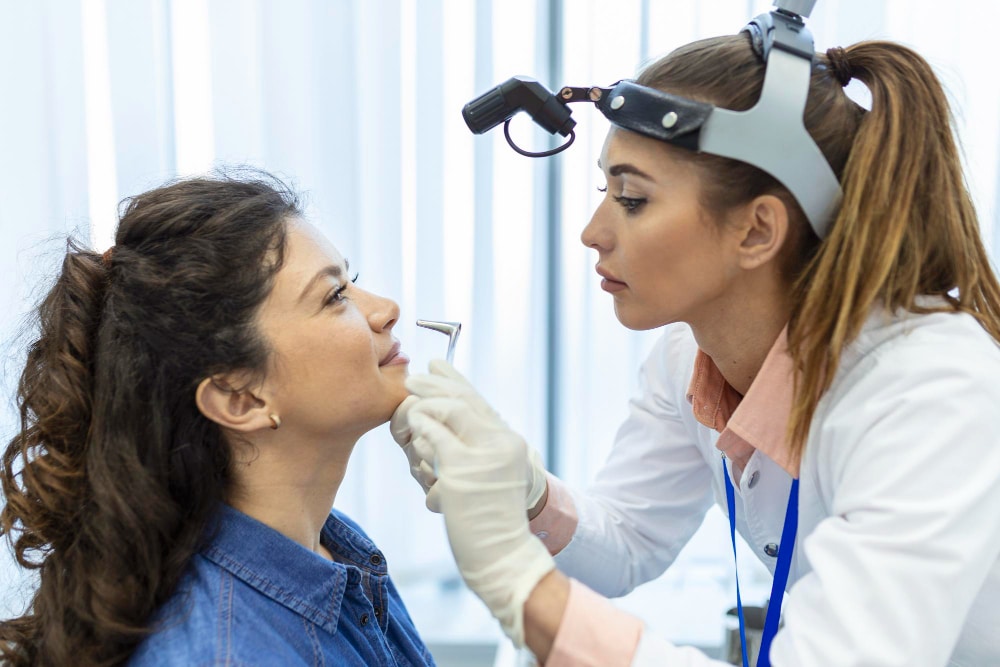
What Are Nasal Polyps?
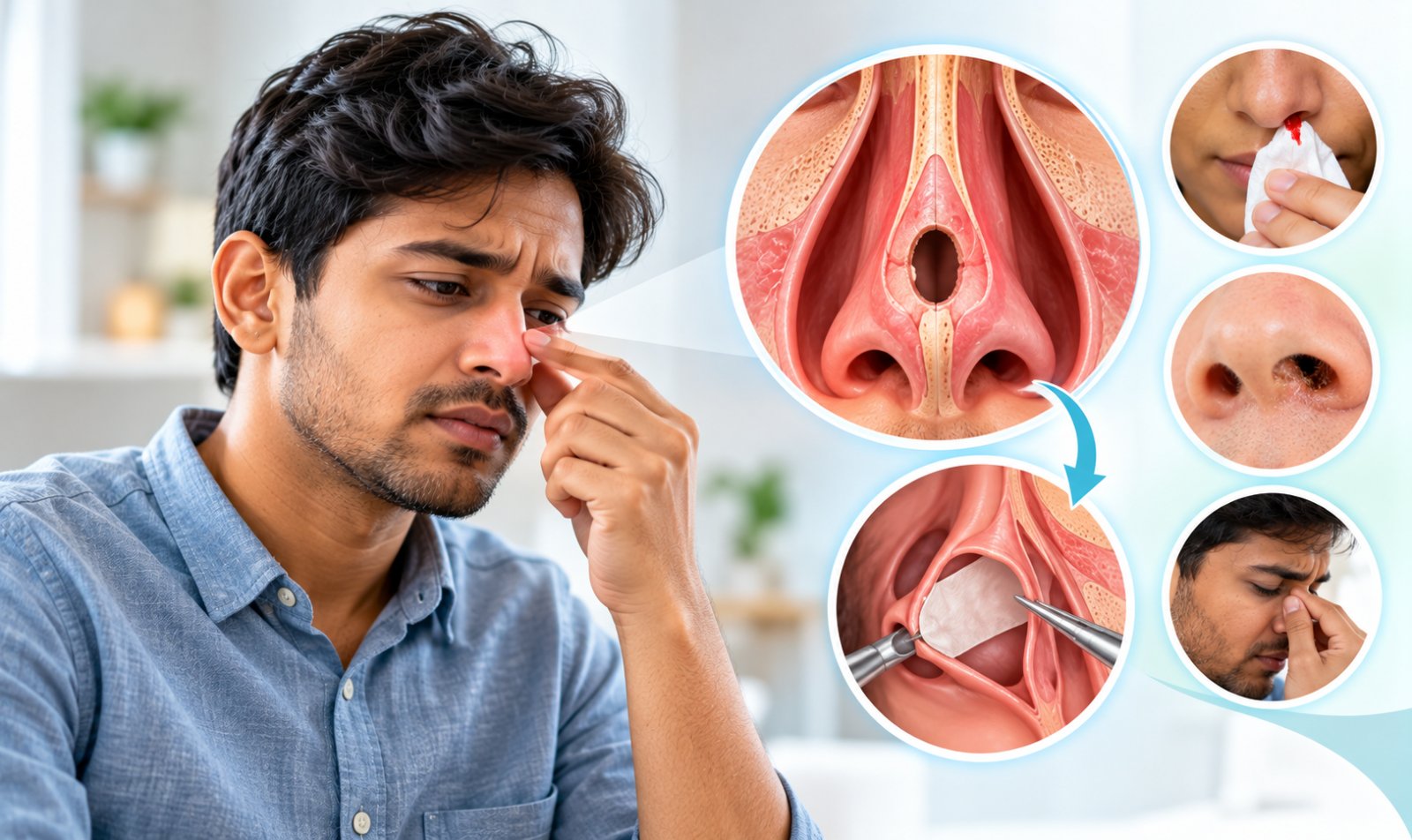
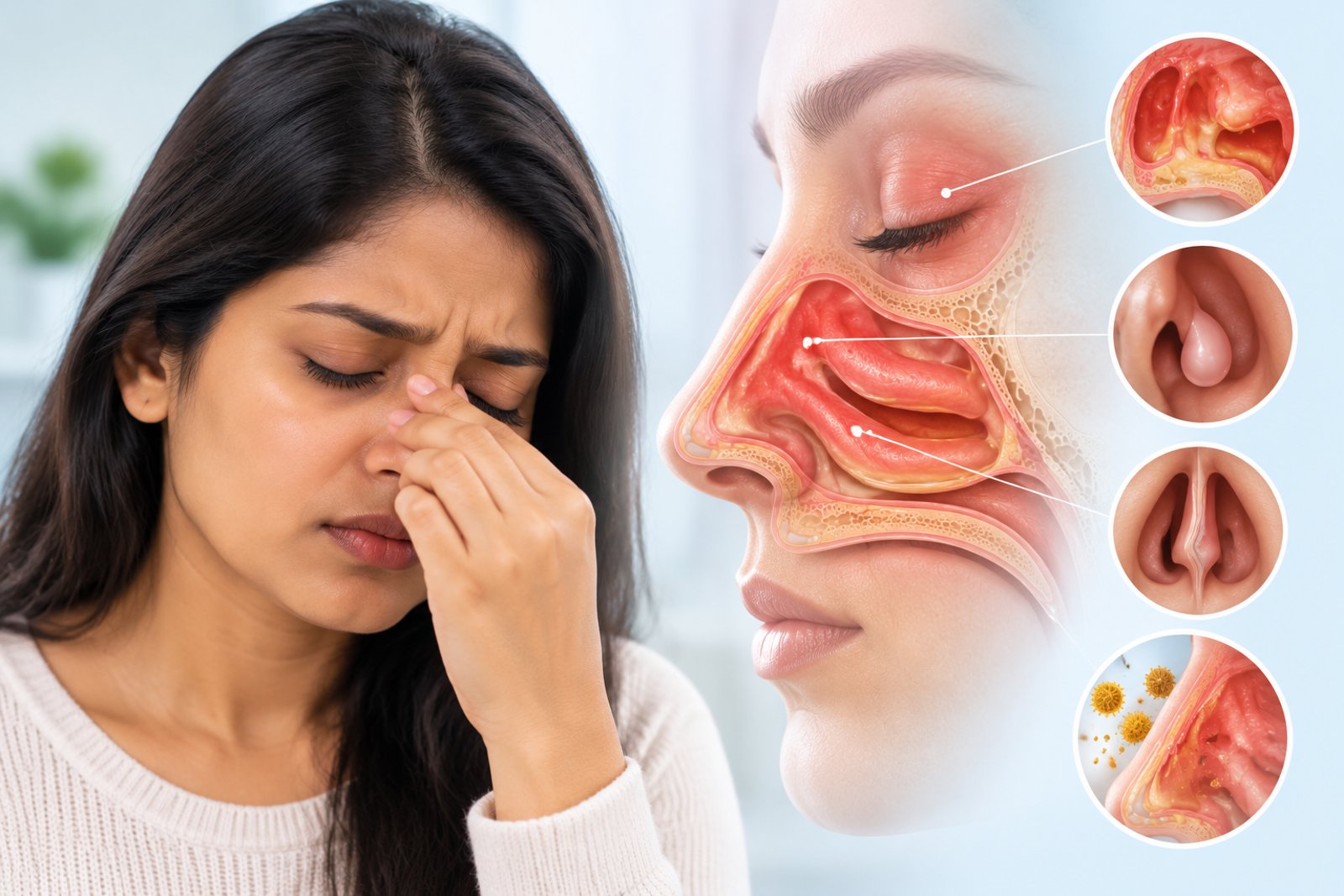
Nasal polyps are soft, noncancerous growths that develop in the lining of the nose or sinuses. They often go unnoticed at first, but as they grow, they can block airflow, cause nasal congestion, affect smell, and increase the risk of sinus infections.
Common Symptoms of Nasal Polyps
Sometimes, nasal polyps do not cause any symptoms. But often, they can make breathing harder. For example, you may notice:
In some cases, these nasal polyp symptoms can feel like a long-lasting cold. But unlike a cold, they do not go away on their own.
Causes and Risk Factors
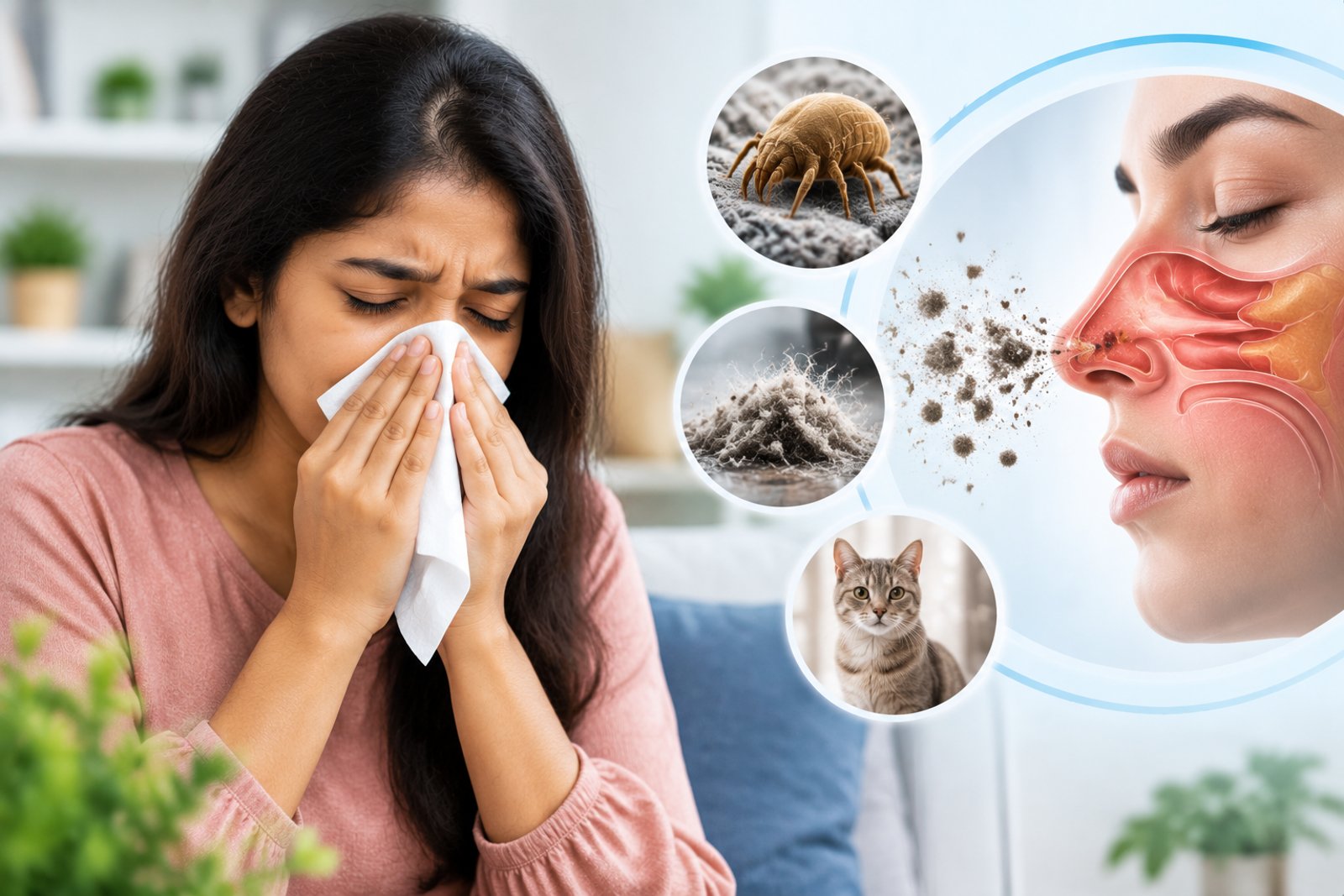
Doctors are not sure why some people get nasal polyps. Still, certain things can raise your risk. For instance, you may be more likely to get them if you have:
Additionally, living in areas with high air pollution or frequent colds can increase your risk. According to the World Health Organization, managing allergies and asthma can help lower your chances.
How Nasal Polyps Are Diagnosed
First, your doctor will ask about your symptoms. Next, they may look inside your nose using a special light or a thin camera. Sometimes, a CT scan or MRI is needed to see the size and location of the polyps. Blood tests or allergy tests may also help find the cause. If medicine do not work nasal polyps will be removed help of surgeries.
Treatment Options for Nasal Polyps
Treating nasal polyps can help you breathe better and reduce symptoms. Here are some common nasal polyp treatment options:
If medicine do not work nasal polyps will be removed help of surgeries.
Lifestyle Tips and Prevention
Although you cannot always prevent nasal polyps, you can lower your risk. For example, try these tips:
In addition, regular check-ups can help spot problems early.
When to See a Doctor
If you have symptoms that last more than 10 days, see a doctor. Also, if you notice trouble breathing, loss of smell, or facial pain, get checked. Sometimes, nasal polyps can lead to serious infections. Therefore, do not wait if you feel very unwell or have a fever.
In summary, nasal polyps can cause bothersome symptoms but are treatable. Consult an ENT specialist at for personalized advice on nasal polyps.