
What Is Earwax Impaction?
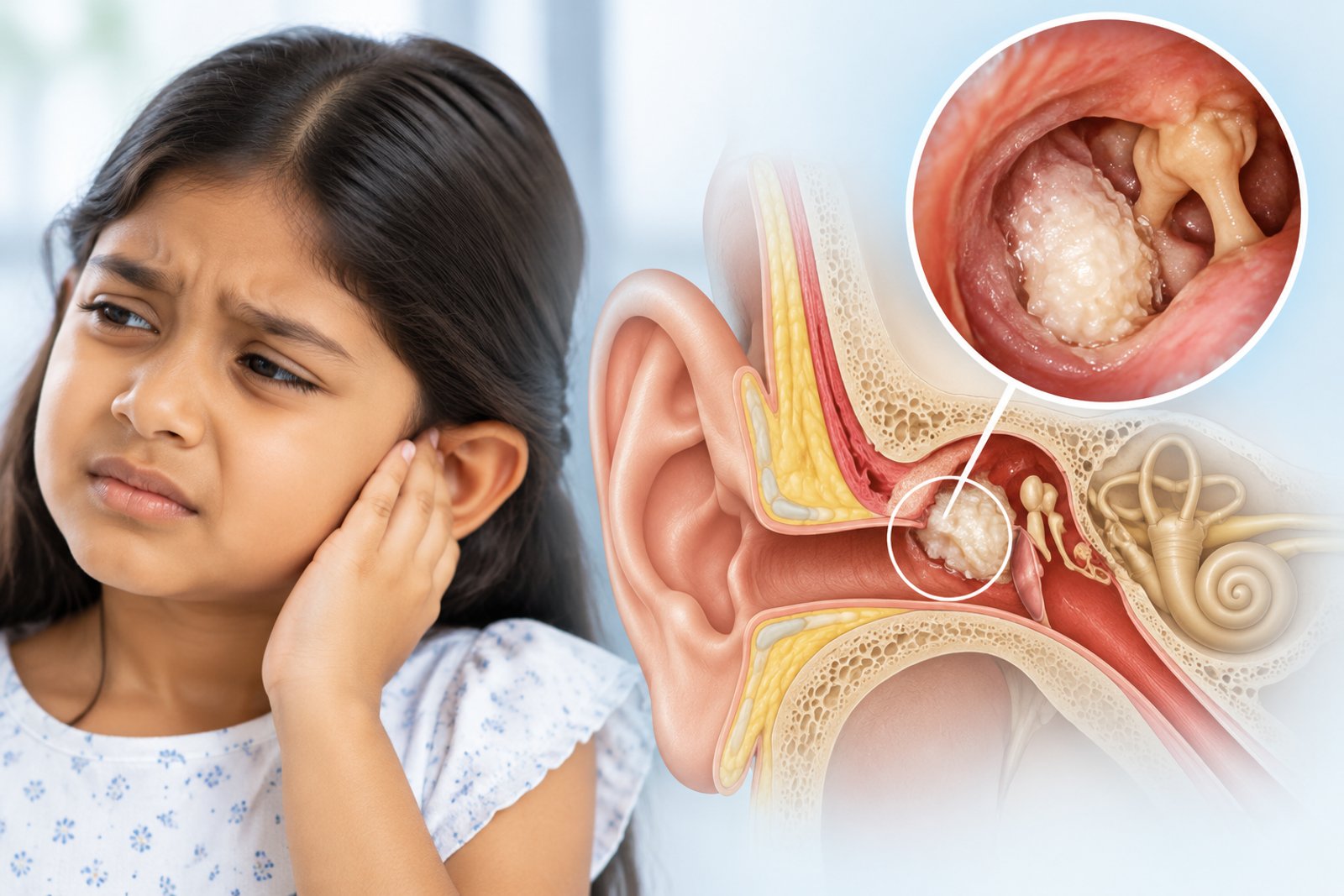
Earwax impaction happens when too much earwax builds up in the ear canal. Normally, earwax protects your ears by trapping dust and germs. However, sometimes it can block the ear, causing problems. According to the CDC, earwax impaction is common and can affect people of all ages. It is important to know how to remove earwax safely to avoid harm.
Causes of Earwax Impaction
Several things can cause earwax impaction. For example, some people naturally make more earwax. Others may have narrow ear canals. In addition, using cotton swabs or other objects can push wax deeper. Here are common causes:
Common Symptoms of Earwax Impaction
Earwax blockage symptoms can be mild or severe. Often, people notice changes in hearing. Sometimes, other signs appear. Look for these symptoms:
If you notice these symptoms, it may be time to seek ENT advice for earwax.
Diagnosis Methods
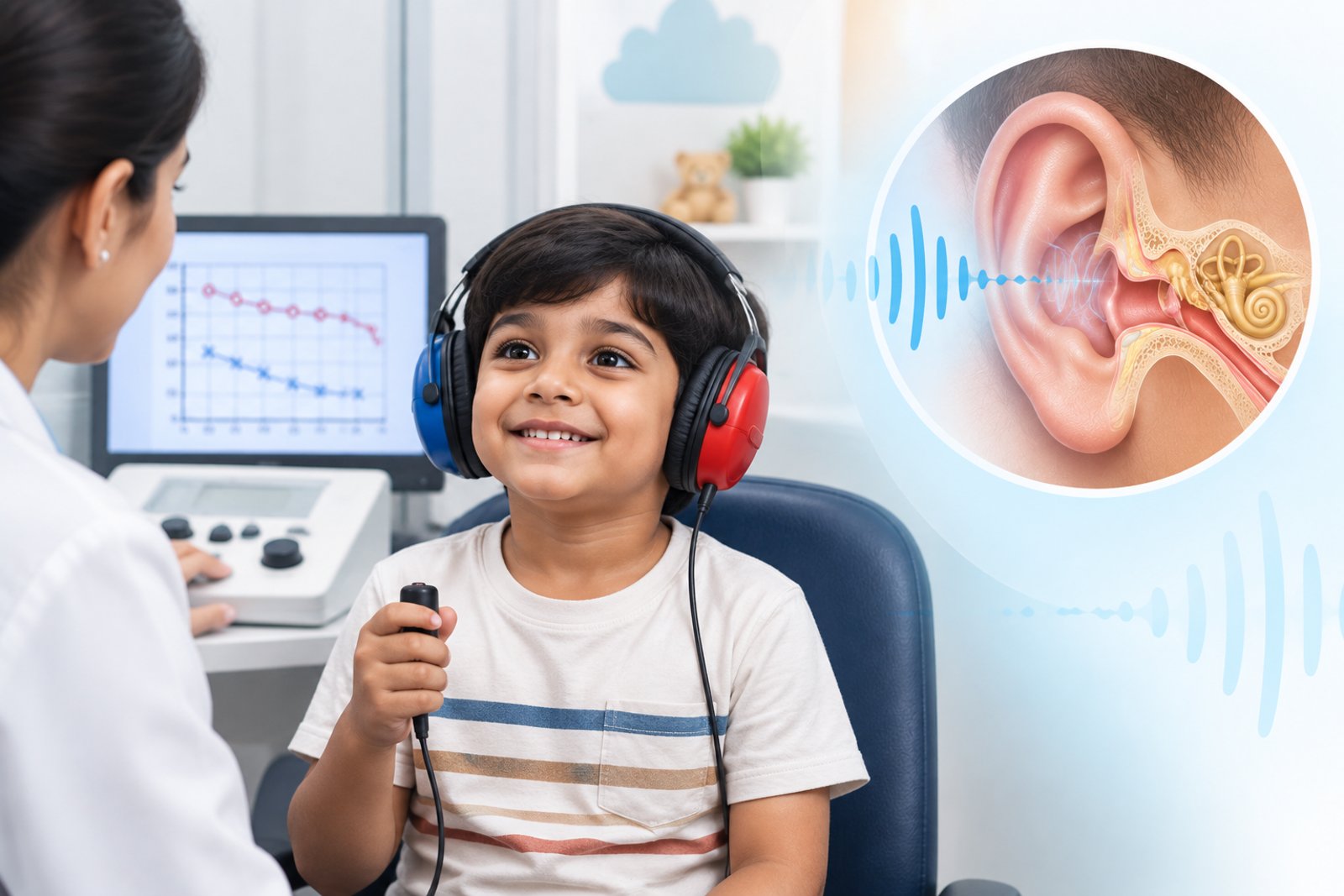
Doctors use simple tools to check for earwax impaction. Usually, they look inside your ear with a lighted device called an otoscope. Sometimes, they may use gentle suction or a small scoop to examine the blockage. In rare cases, hearing tests help check if the wax is affecting your hearing. Early diagnosis helps prevent further problems.
Safe Removal Techniques
It is important to know how to remove earwax safely. Never use sharp objects or cotton swabs inside your ear. These can push wax deeper or hurt your ear. Instead, try these safe methods:
However, avoid using candles or inserting objects into your ear. These methods can cause burns or injuries. If you have ear pain, drainage, or a history of ear surgery, always see a doctor before trying to remove wax at home.
Prevention Tips
Preventing earwax impaction is easier than treating it. For instance, avoid putting anything in your ear canal. Also, keep your ears dry and clean the outer ear with a damp cloth. Here are more tips:
When to See an ENT Specialist
Sometimes, home care is not enough. If you have severe pain, hearing loss, or drainage, see an ENT specialist. Additionally, if you have diabetes, weak immune system, or ear surgery history, get professional help. ENT advice for earwax ensures safe and effective care. Early treatment can prevent lasting damage.
In summary, earwax impaction is common but treatable. Safe removal and good habits help protect your ears. Consult an ENT specialist at Asian ENT Care Center for personalized advice on earwax impaction.