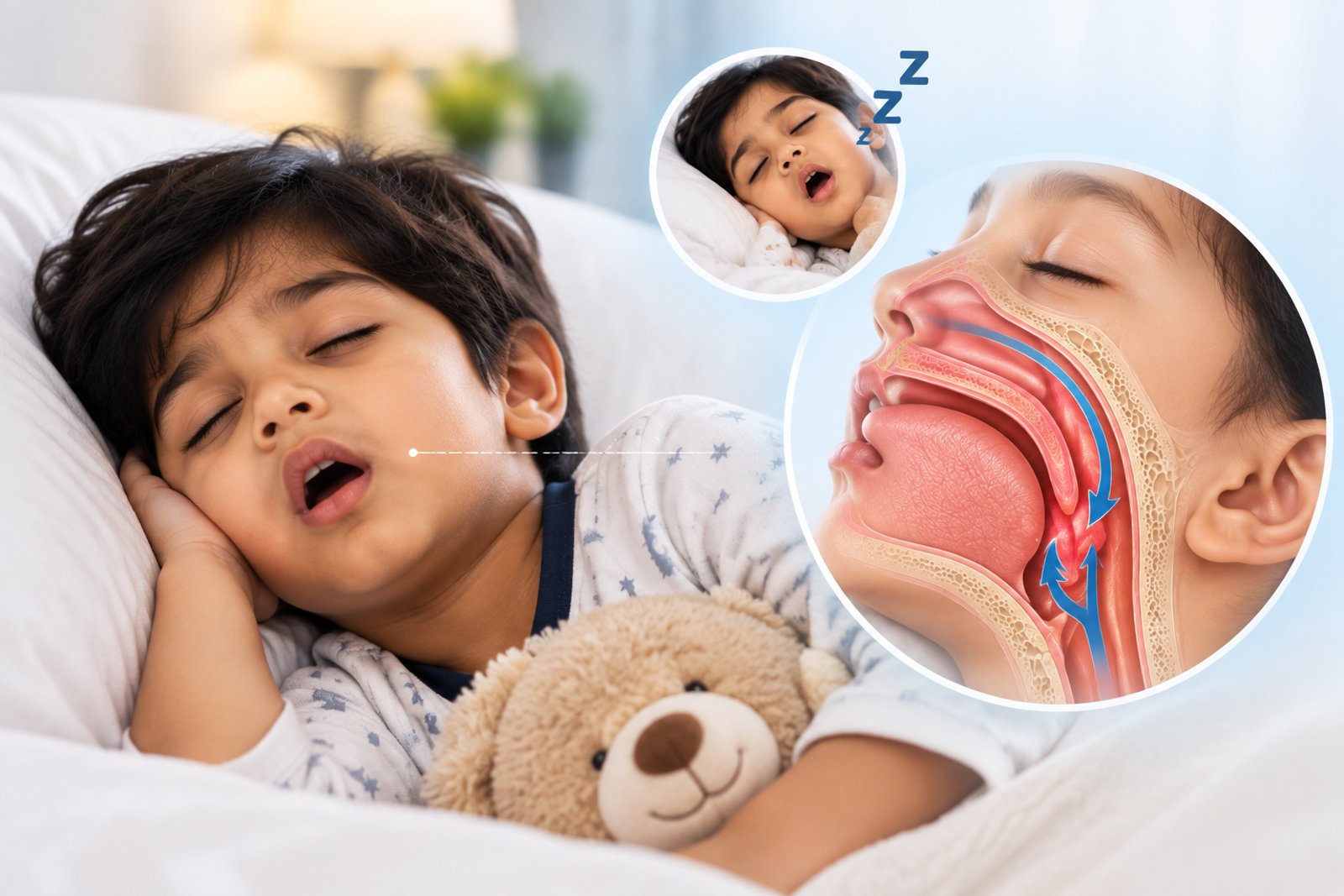
What Are Snoring and Sleep Apnea?
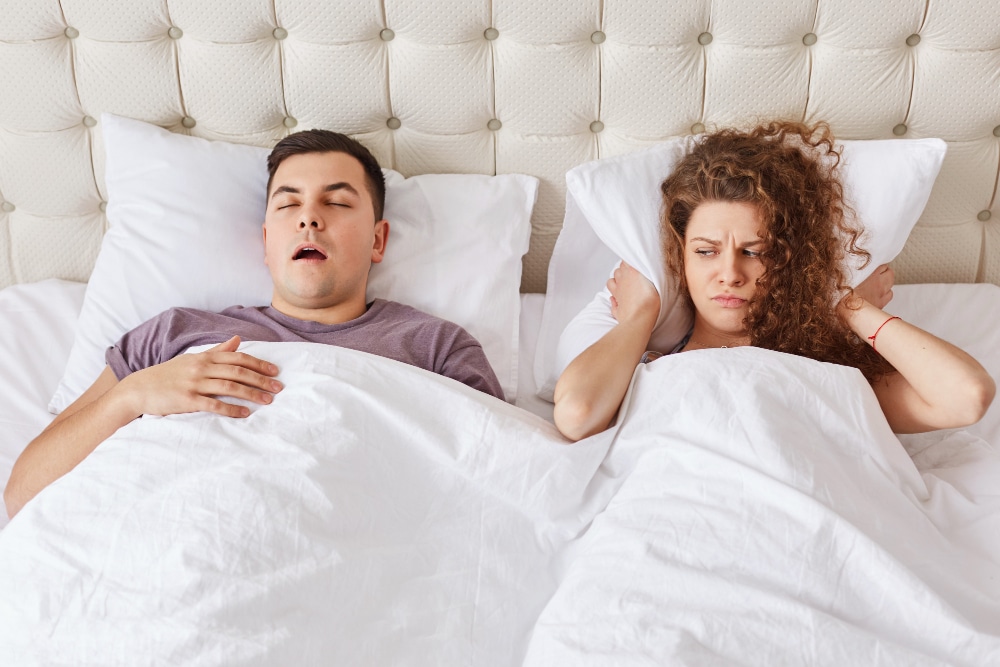
Snoring and sleep apnea are common sleep problems that affect many people. Snoring happens when air cannot move freely through your nose and throat during sleep. This causes the tissues to vibrate, making a loud sound. On the other hand, sleep apnea is a more serious condition. It means your breathing stops and starts many times while you sleep. Both snoring and sleep apnea can disturb your rest. In fact, sleep apnea can lead to health issues if left untreated.
Common Symptoms
Many people snore sometimes, but frequent snoring may signal a problem. Sleep apnea often comes with other signs. For example, you may notice:
Sometimes, a partner may notice these symptoms before you do. If you have any of these signs, it is wise to talk to your doctor.
Main Causes and Risk Factors
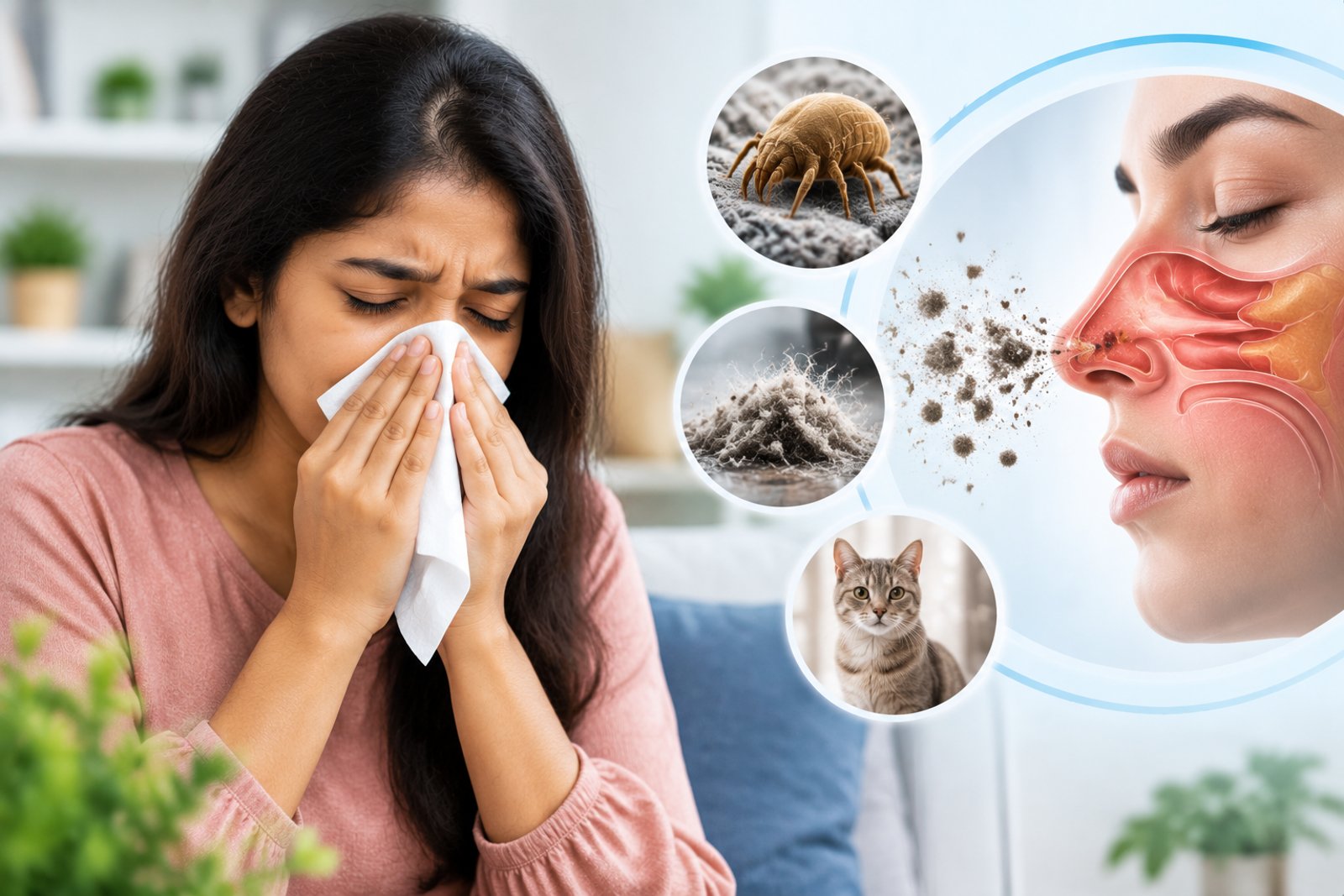
There are several reasons why people snore or develop sleep apnea. Some common causes and risk factors include:
Because these factors can increase your risk, it is important to know your own health history.
Health Risks Associated with Snoring and Sleep Apnea
While snoring alone may seem harmless, sleep apnea can cause serious health problems. According to the CDC, untreated sleep apnea raises your risk for:
In addition, poor sleep can affect your memory and focus. Over time, this can lower your quality of life. Therefore, treating sleep apnea is very important for your health.
How Snoring and Sleep Apnea Are Diagnosed
If you or a loved one has symptoms, your doctor may suggest a sleep study. This test, called a polysomnogram, records your breathing, heart rate, and oxygen levels while you sleep. Sometimes, you can do a simple home sleep test. Your doctor will review the results to see if you have sleep apnea or another sleep disorder. Early diagnosis helps prevent health problems later.
Effective Treatment Options
Thankfully, there are many ways to treat snoring and sleep apnea. Your doctor will suggest the best option for you. Common treatments include:
For mild snoring, simple changes may be enough. However, sleep apnea often needs medical treatment.
Lifestyle Tips for Better Sleep
Good sleep habits can make a big difference. For example, you can:
These tips can help you sleep better and may reduce snoring.
Prevention Strategies
While not all cases can be prevented, you can lower your risk by:
Because early action can prevent serious problems, it is wise to pay attention to your sleep health.
Conclusion
Snoring and sleep apnea are common but treatable sleep disorders. They can affect your health and daily life. If you notice symptoms, do not ignore them. Consult an ENT specialist at Asian ENT Care Center for personalized advice on snoring and sleep apnea. Early treatment can help you sleep better and stay healthy.