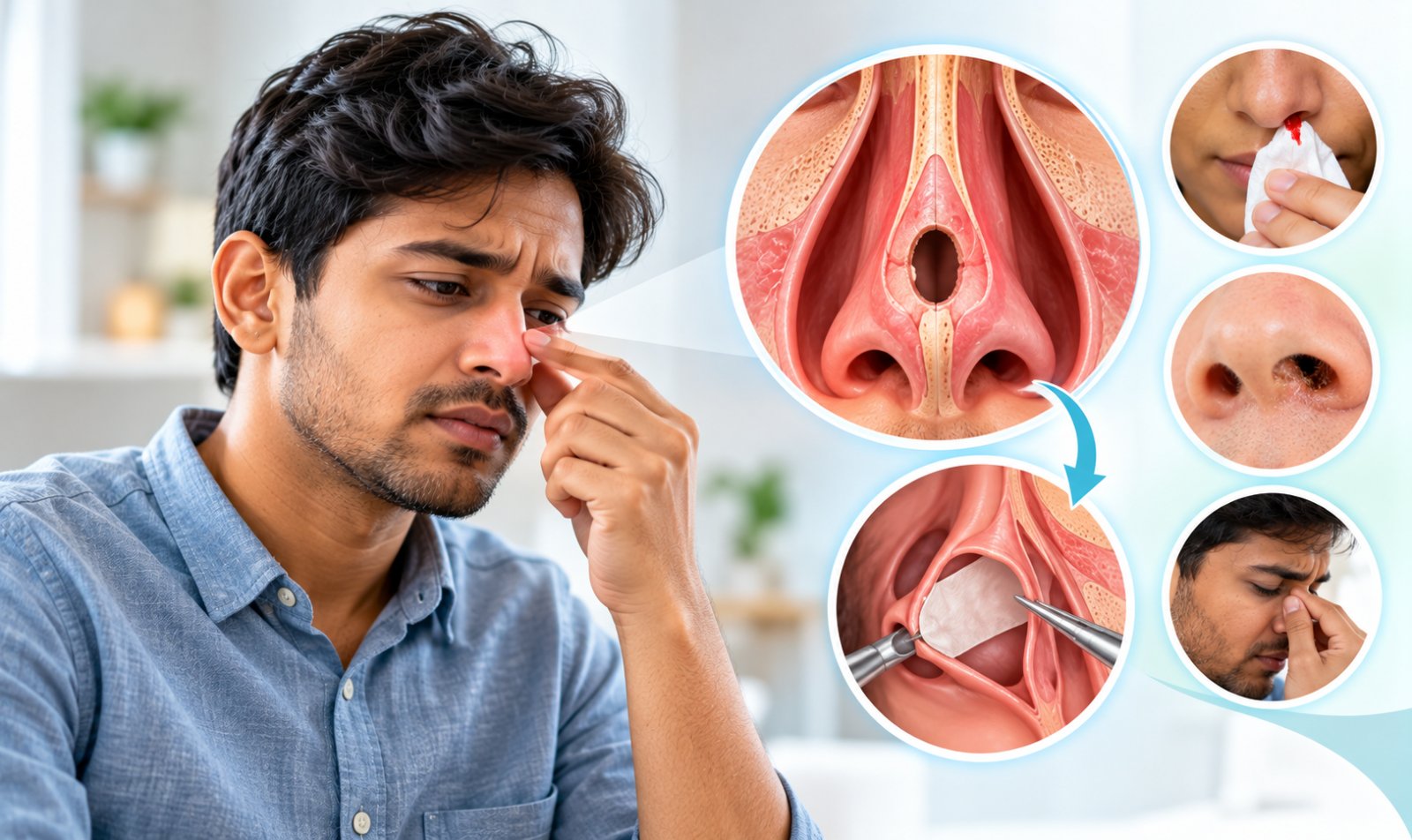
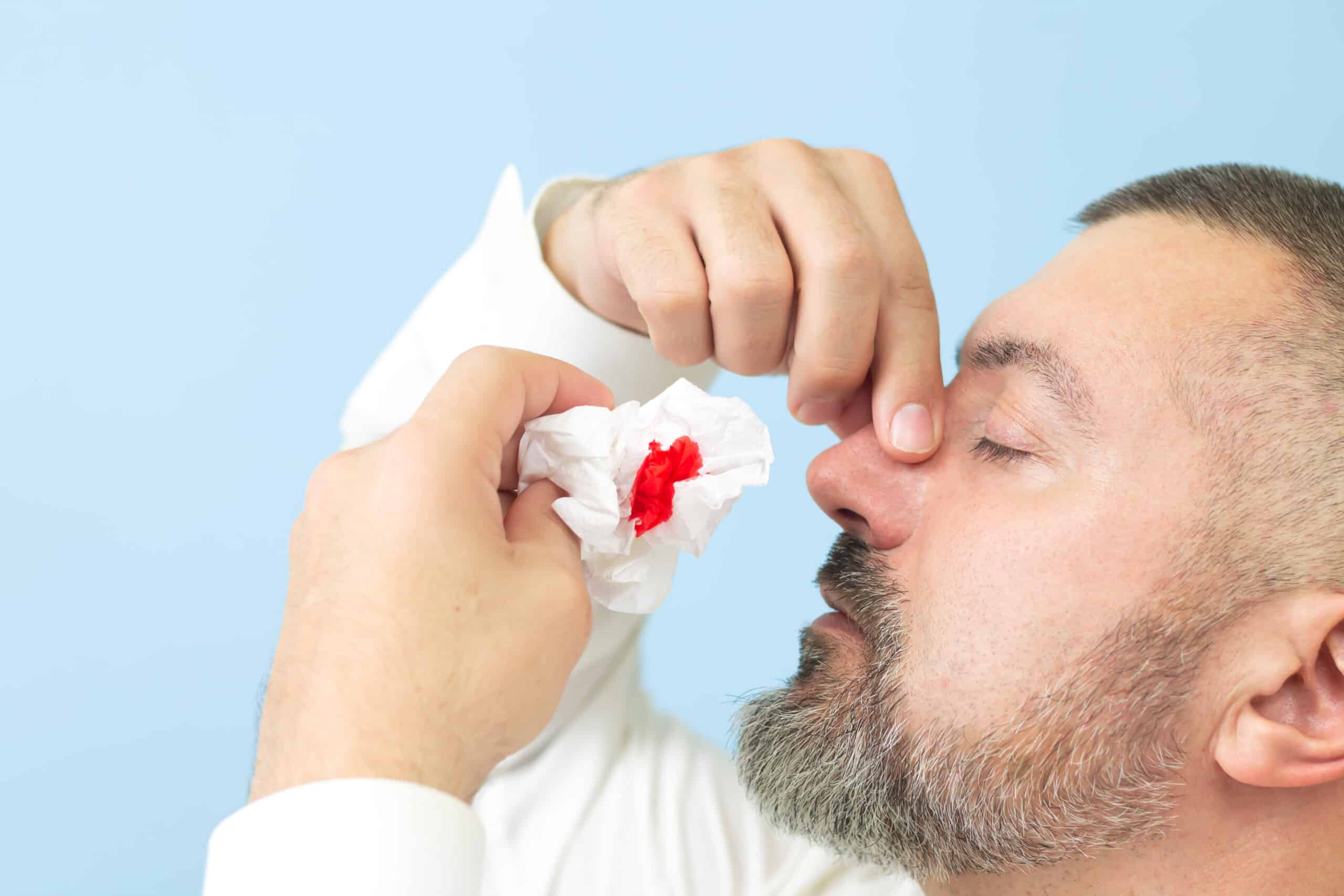
Epistaxis, also known as a nosebleed, is a common problem. Many people ask, “How can you stop epistaxis quickly and safely?” Nosebleeds can happen to anyone, but knowing how to stop them is important. Often, nosebleeds are not serious. However, stopping them right away helps prevent blood loss and other problems. In this blog, you will learn what epistaxis is, why it happens, and how to manage it at home. You will also find out when to seek help from an ENT specialist.
What Is Epistaxis?
Epistaxis means bleeding from the nose. Usually, it starts from the front part of the nose. This area has many small blood vessels. There are two main types of epistaxis:
Anyone can get a nosebleed. However, children, older adults, and people with certain health problems are at higher risk. For example, people who take blood thinners or have bleeding disorders may get nosebleeds more often.
Common Causes of Epistaxis
There are many reasons why nosebleeds happen. Some common causes include:
Sometimes, nosebleeds happen without a clear reason. But, knowing the common causes can help you prevent them.
Immediate Steps to Stop a Nosebleed
If you or someone else has a nosebleed, follow these steps right away:
However, there are things you should not do:
When to Seek Medical Help
Most nosebleeds stop on their own. But, you should see a doctor or ENT specialist if:
In these cases, medical care is important. Sometimes, nosebleeds can be a sign of a more serious problem.
Prevention Tips for Epistaxis
There are simple ways to help prevent nosebleeds:
By following these tips, you can lower your risk of getting nosebleeds.
Frequently Asked Questions
Can nosebleeds be a sign of something serious?
Usually, nosebleeds are not serious. However, frequent or heavy nosebleeds can sometimes point to health problems like high blood pressure or bleeding disorders. If you are worried, see your doctor.
Is it safe to use home remedies for nosebleeds?
Simple first aid steps, like pinching your nose and using a cold pack, are safe. But, avoid putting objects or powders inside your nose. If bleeding does not stop, seek medical help.
How can I help my child avoid nosebleeds?
Keep your child’s nails short and teach them not to pick their nose. Also, use a humidifier in their room and keep their nose moist with a gentle ointment if needed.
Conclusion and Call-to-Action
In summary, epistaxis (nosebleeds) is common and often manageable at home, but knowing how to stop it and when to seek help is important. If you experience frequent or severe nosebleeds, consult Asian ENT Care Center for personalized guidance from an ENT specialist.