Tonsillitis and strep throat are common causes of a sore throat. Both can make swallowing painful and cause discomfort. However, there are important differences between tonsillitis and strep throat. Knowing these differences helps you find the right relief for a sore throat. In this blog, we will explain the symptoms of tonsillitis, the signs of strep throat, and how to tell them apart. We will also share tips for sore throat relief and when to see a doctor.
What Is Tonsillitis?
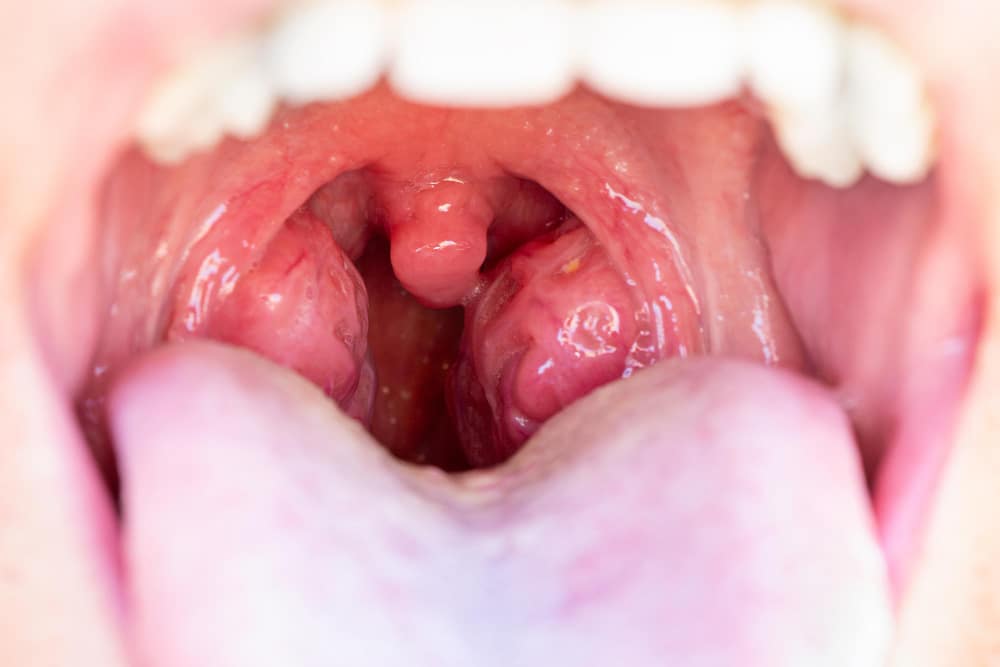
Tonsillitis is an infection or swelling of the tonsils. The tonsils are two small glands at the back of your throat. They help fight germs. But sometimes, viruses or bacteria infect them. As a result, your throat can become red, swollen, and sore. Children often get tonsillitis, but adults can have it too. Most cases are caused by viruses, but bacteria can also be the cause.
What Is Strep Throat?
Strep throat is a specific type of throat infection. It is caused by a bacteria called Streptococcus pyogenes. Unlike many sore throats, strep throat is not caused by a virus. Because of this, antibiotics are often needed for treatment. Strep throat can spread easily, especially in schools or crowded places. It is important to treat strep throat to avoid complications.
Key Differences Between Tonsillitis and Strep Throat
Although both conditions cause a sore throat, there are some key differences. Knowing these can help you understand your symptoms better.
Common Symptoms to Watch For
Both tonsillitis and strep throat share some symptoms. However, some signs are more common in one than the other. Here is what to look for:
But, strep throat may also cause:
On the other hand, tonsillitis may include:
How Are They Diagnosed?
Doctors use a few simple steps to diagnose these conditions. First, they will ask about your symptoms. Next, they will look at your throat. Sometimes, a quick swab test is done. This test checks for strep bacteria. If the test is positive, you have strep throat. If it is negative, you may have viral tonsillitis or another cause of sore throat. Blood tests are rarely needed.
Effective Treatments and Home Remedies
Treatment depends on the cause. For viral tonsillitis, rest and home care are best. For strep throat, antibiotics are needed. Here are some ways to find relief for a sore throat:
According to the CDC, most people feel better in a few days with proper care.
When to See a Doctor
Sometimes, a sore throat can be a sign of a more serious problem. You should see a doctor if you have:
Early treatment can prevent complications, especially with strep throat.
Prevention Tips for Sore Throat Conditions
While you cannot avoid every sore throat, you can lower your risk. Here are some helpful tips:
In crowded cities, it is even more important to follow these steps. Good hygiene helps protect you and your family.
Conclusion
Tonsillitis and strep throat can both cause discomfort. However, knowing the difference between tonsillitis and strep throat helps you find the right relief. If you have a sore throat that does not improve, consult Asian ENT Care Center for personalized advice.