Ear pain can be very painful and worrying. Many people wonder about the causes of ear pain, especially when it comes to Swimmer’s Ear vs Middle Ear Infection. Both conditions hurt, but they are not the same. Swimmer’s Ear (otitis externa) and Middle Ear Infection (otitis media) have different causes, symptoms, and treatments. Understanding otitis externa vs otitis media and Let’s explore these two ear problems, their differences, and how you can protect your ears.
What Is Swimmer’s Ear?
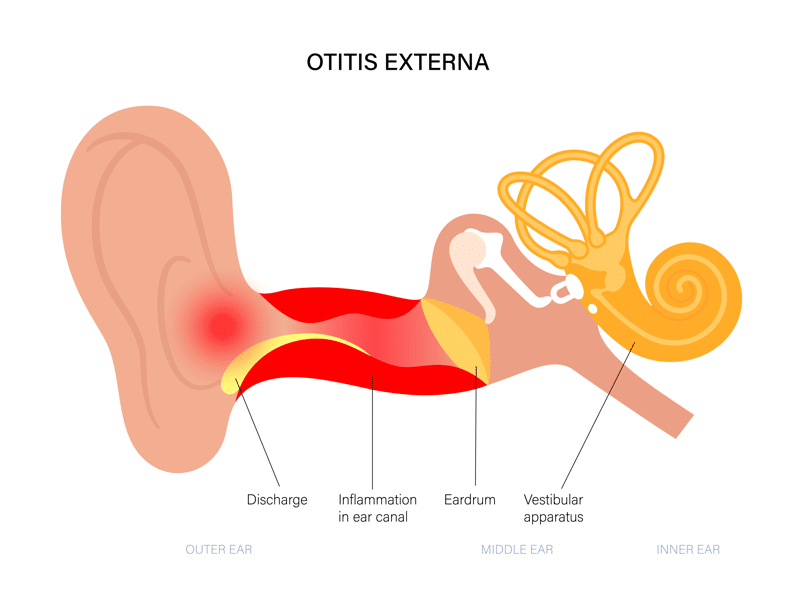
Swimmer’s Ear, also called otitis externa, is an infection of the outer ear canal. This canal runs from the outside of your ear to your eardrum. Most often, water gets trapped in the ear after swimming or bathing. Because of this, bacteria or fungi can grow in the moist area. Sometimes, using cotton swabs or scratching the ear can also cause Swimmer’s Ear.
Common causes include:
- Frequent swimming or water exposure
- Trapped moisture in the ear canal
- Minor skin injuries inside the ear
- Using hearing aids or earbuds for long periods
People most at risk are swimmers, children, and those living in humid climates.
Symptoms of Swimmer’s Ear include:
- Itching in the ear canal
- Redness and swelling of the outer ear
- Pain, especially when touching or pulling the ear
- Clear or pus-like discharge
- Feeling of fullness in the ear
What Is a Middle Ear Infection?
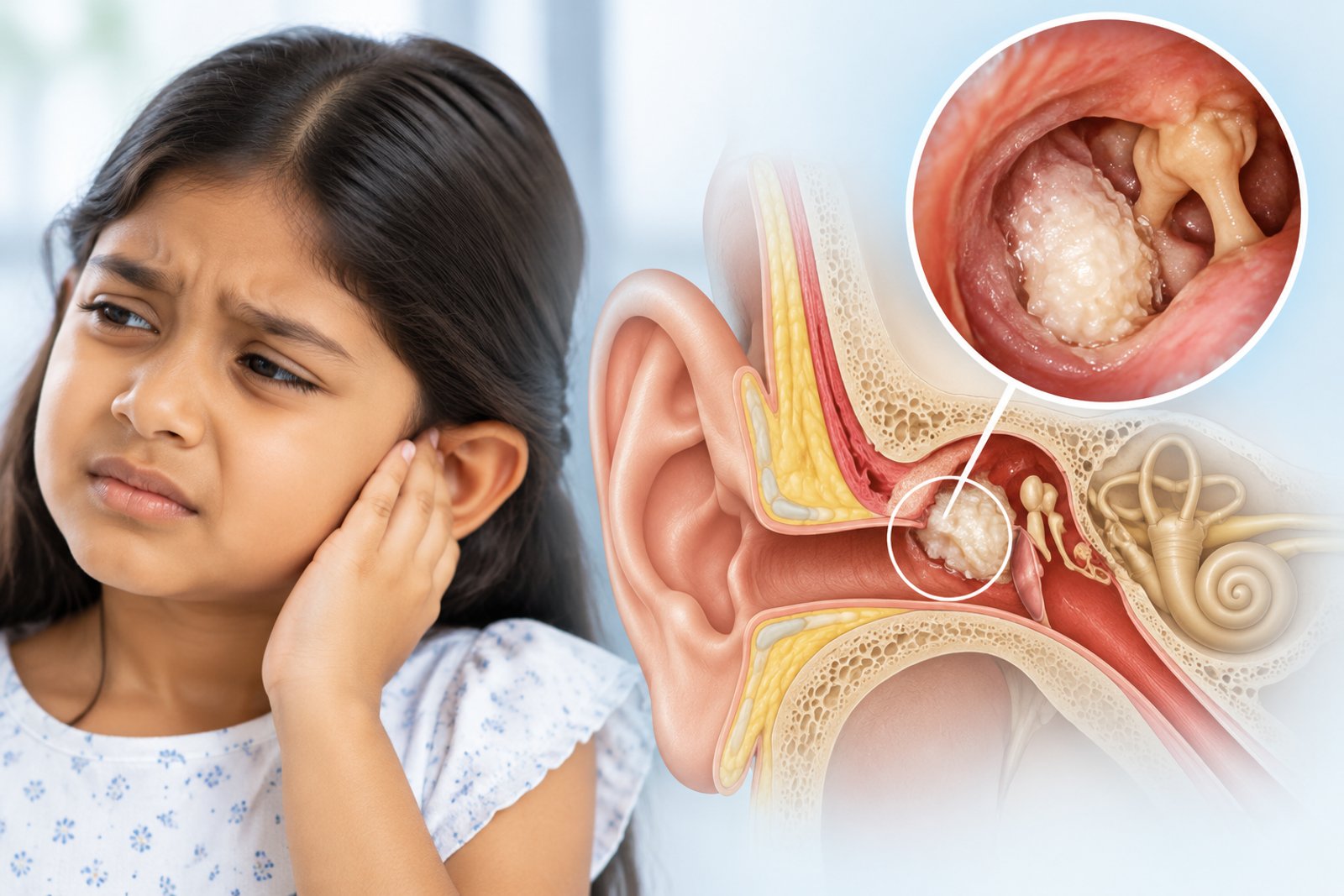
A Middle Ear Infection, or otitis media, affects the space behind the eardrum. Usually, it happens when fluid builds up due to a cold, allergies, or sinus infection. Bacteria or viruses can then infect this fluid. Because children have shorter ear tubes, they are more likely to get middle ear infections.
Common causes include:
- Colds or respiratory infections
- Allergies causing fluid buildup
- Blocked Eustachian tubes (the tubes that drain fluid from the ear)
Children are more at risk because their ear tubes are smaller and get blocked easily.
Symptoms of Middle Ear Infection include:
- Ear pain, often sharp or throbbing
- Fever
- Hearing loss or muffled sounds
- Fluid or pus draining from the ear
- Loss of balance or trouble sleeping
Key Differences Between Swimmer’s Ear and Middle Ear Infection
| Feature | Swimmer’s Ear (Otitis Externa) | Middle Ear Infection (Otitis Media) |
| Location | Outer ear canal | Behind the eardrum (middle ear) |
| Main Cause | Bacterial growth from trapped moisture | Fluid buildup, often from cold/allergies |
| Pain Characteristics | Pain when outer ear is touched | Deep ear pain, often throbbing |
| Discharge | Clear or pus-like, sometimes foul-smelling | Often absent, may occur if eardrum ruptures |
| Common Patients | Swimmers, people exposed to moisture | Infants, young children, allergy sufferers |
Diagnosis and Expertise at Asian ENT Care Center
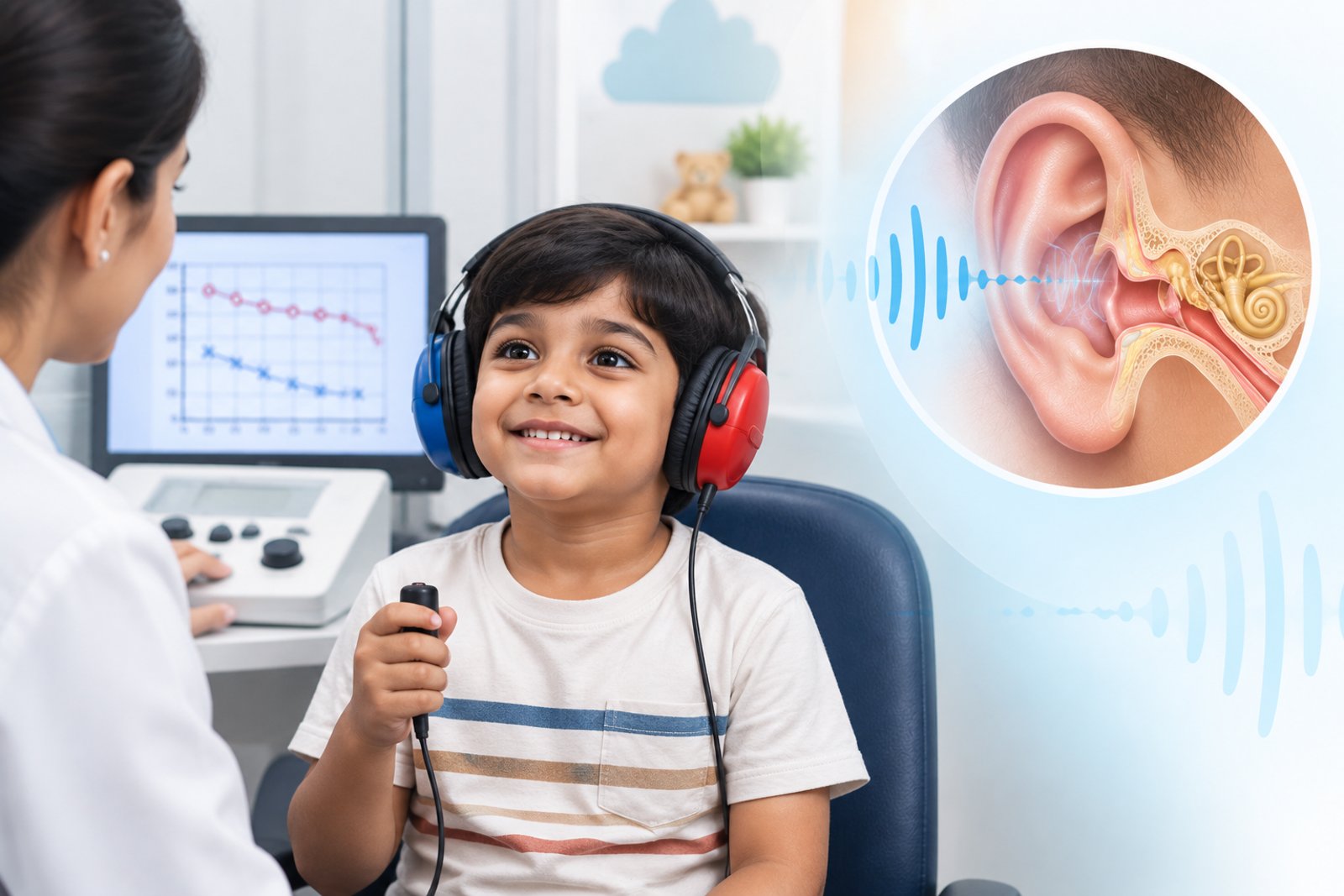
Because symptoms can overlap, a professional diagnosis is important. Diagnosis include:
- Otoscopy (examining the ear with a special light)
- Audiometry (hearing tests)
- Imaging (if needed for complex cases)
With these tools, the team can quickly find the cause and suggest the right treatment.
Treatment Options
For Swimmer’s Ear:
- Careful cleaning and drying of the ear canal
- Antibiotic or antifungal ear drops
- Pain relief with safe medications
- Avoiding water until healed
For Middle Ear Infection:
- Antibiotics if the infection is bacterial
- Pain relief with acetaminophen or ibuprofen
- Monitoring, as some cases clear on their own
- Tympanostomy tubes for repeated or severe cases
Always follow your doctor’s advice for the best results.
Prevention Tips
While not all ear infections can be avoided, you can lower your risk. Try these tips:
- Keep ears dry after swimming or bathing
- Do not insert cotton swabs or objects into the ear
- Treat allergies and colds early
- Practice good ear hygiene
- Use earplugs when swimming if you are prone to infections
With these steps, you can help protect your ears from pain and infection.
Conclusion: When to Seek Care
Swimmer’s Ear and Middle Ear Infection are different but both cause ear pain. Knowing the signs helps you act fast. If you have ear pain, discharge, fever, or hearing loss, do not wait. Consult an ENT specialist for a proper diagnosis and treatment. Trust your ears to the experts at Asian ENT Care Center — where compassion meets precision.