What is Bone Conduction – BERA?
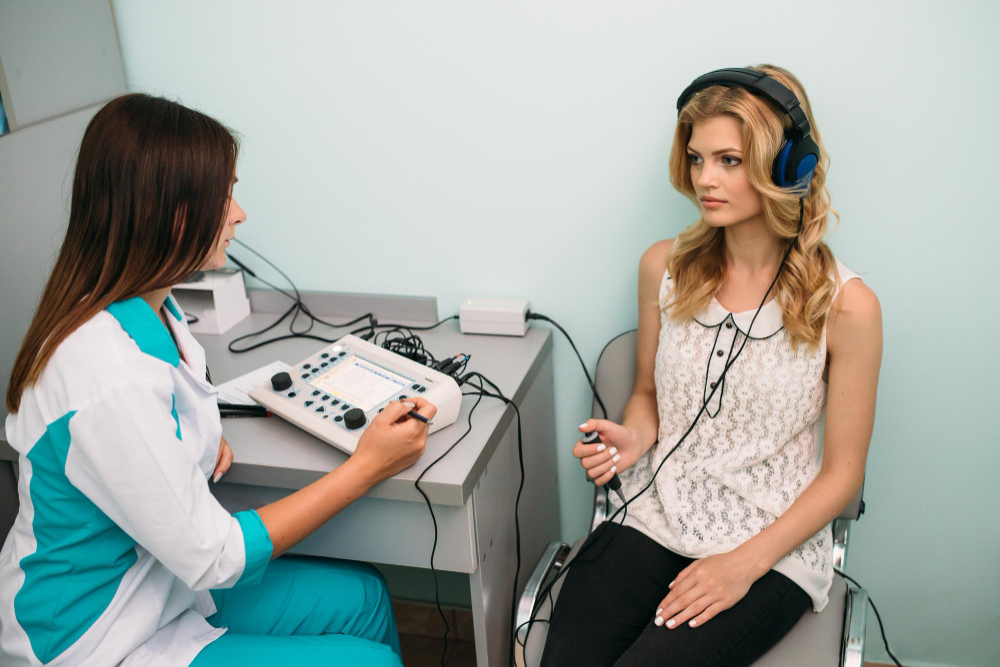
Bone Conduction – BERA (Brainstem Evoked Response Audiometry) is a specialized hearing test used to assess how well your brain responds to sound. Unlike traditional hearing tests, it uses bone conduction to send sound through your skull, allowing doctors to diagnose hearing loss. This test is often used by ENT specialists and is completely safe and painless.
How Bone Conduction – BERA Works
During the test, a small device is placed behind your ear, emitting sound that vibrates the bones in your skull. These vibrations reach the inner ear, where the brain reacts to the sound. Small sensors placed on your head detect these brain responses, which are recorded on a computer. The results allow doctors to assess how well your hearing nerves are functioning.
Indications and Uses
Bone Conduction – BERA is used for several reasons, including:
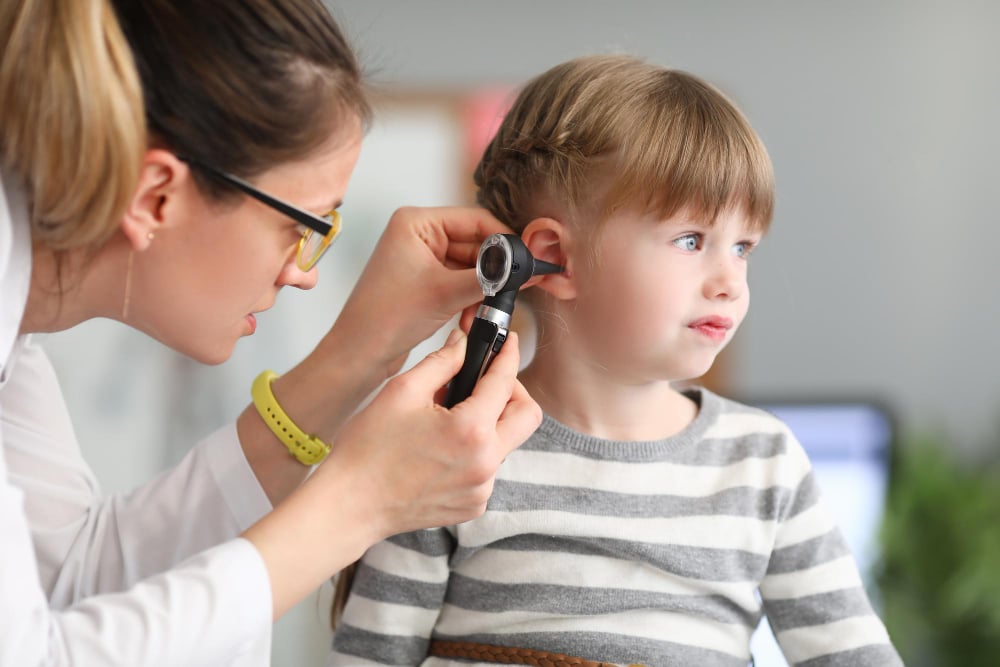
- Assessing Hearing in Babies and Young Children
- A reliable method for testing infants and young children who cannot respond to regular hearing tests.
- Identifying the Cause of Hearing Loss in Adults
- It helps determine if hearing loss is related to the auditory nerve.
- Testing for People Who Cannot Respond to Standard Hearing Tests
- Ideal for individuals with physical or mental impairments.
- Assessing Hearing Nerve Function After Ear Surgery
- Helps doctors evaluate the effectiveness of surgical interventions.
- Supporting ENT Assessments in Special Cases
- Useful in diagnosing complex cases or conditions related to the hearing system.
The World Health Organization emphasizes early hearing testing to prevent long-term issues.
The Procedure: What to Expect
- Preparation: You’ll sit or lie down in a quiet room while a technician prepares you for the test. Small areas on your head are cleaned, and sensors are placed.
- Testing: A bone conduction device is placed behind your ear, and sound vibrations are delivered. There’s no need for you to do anything.
- Duration: The test typically lasts 30 to 60 minutes and is entirely painless, with many people finding it comfortable.
Benefits and Limitations
Advantages of Bone Conduction – BERA
- True Sensorineural Assessment: It assesses inner ear function by vibrating the skull bone, bypassing outer and middle ear conditions.
- Bypasses Conductive Hurdles: Ideal for patients with atresia (absence of ear canals), chronic ear infections, or middle ear fluid.
- Objective Diagnostic for Infants: Provides reliable results for babies too young for traditional tests, crucial for diagnosing hearing loss.
- Confirms Air-Bone Gap: Helps differentiate between conductive and sensorineural hearing loss, aiding in decisions regarding bone-anchored hearing aids (BAHA).
- Comfortable Testing: No need for transducers in the ear canal, minimizing irritation.
- Preoperative Planning: Useful in predicting success before surgical implantation of devices.
Limitations
- Not Always Suitable for Mild Hearing Issues: It may not detect mild hearing problems.
- Cannot Detect All Ear Conditions: Some ear-related issues might go undiagnosed.
- Requires Specialized Equipment and Trained Staff: The test depends on advanced tools and expert handling.
Interpreting Results
After the test, your doctor will review how your brain responded to the sound. If the signals are normal, it indicates that the hearing nerves are functioning well. However, if the signals are weak or absent, it may suggest hearing loss. Further tests may be required for a complete diagnosis.
Frequently Asked Questions
Is Bone Conduction – BERA safe?
Yes, the test is completely safe and painless.
Who needs this test?
This test is commonly recommended for babies, young children, and adults with hearing issues.
How long does the test take?
The test typically lasts less than an hour.
Do I need to prepare?
No special preparation is needed. Just relax and follow the technician’s instructions.
Will I get results right away?
Your doctor may discuss the results with you shortly after the test.
Prevention and Hearing Health Tips
To maintain good hearing health, remember these tips:
- Keep noise levels low at home and work.
- Wear ear protection in noisy environments.
- Clean ears gently and avoid using sharp objects.
- See an ENT specialist if you notice changes in your hearing.
- Regular hearing checks are important, especially for children.
The CDC and WHO recommend regular hearing assessments for all ages to detect potential issues early.
In summary, Bone Conduction – BERA is a valuable tool for diagnosing hearing loss in patients of all ages. It is safe, non-invasive, and helps doctors assess the function of the hearing nerves. If you have concerns about your hearing, don’t hesitate to consult an ENT specialist for personalized advice on hearing assessments.