Many parents think snoring in children is normal. However, it can be a sign of a bigger problem. Sleep apnea in children can affect their growth, behaviour, and learning. In fact, good sleep helps children stay healthy and focused. At Asian ENT Care Centre, we help parents to understand these risks. Knowing the warning signs can make a big difference for your child.
What Is Sleep Apnea in Children?
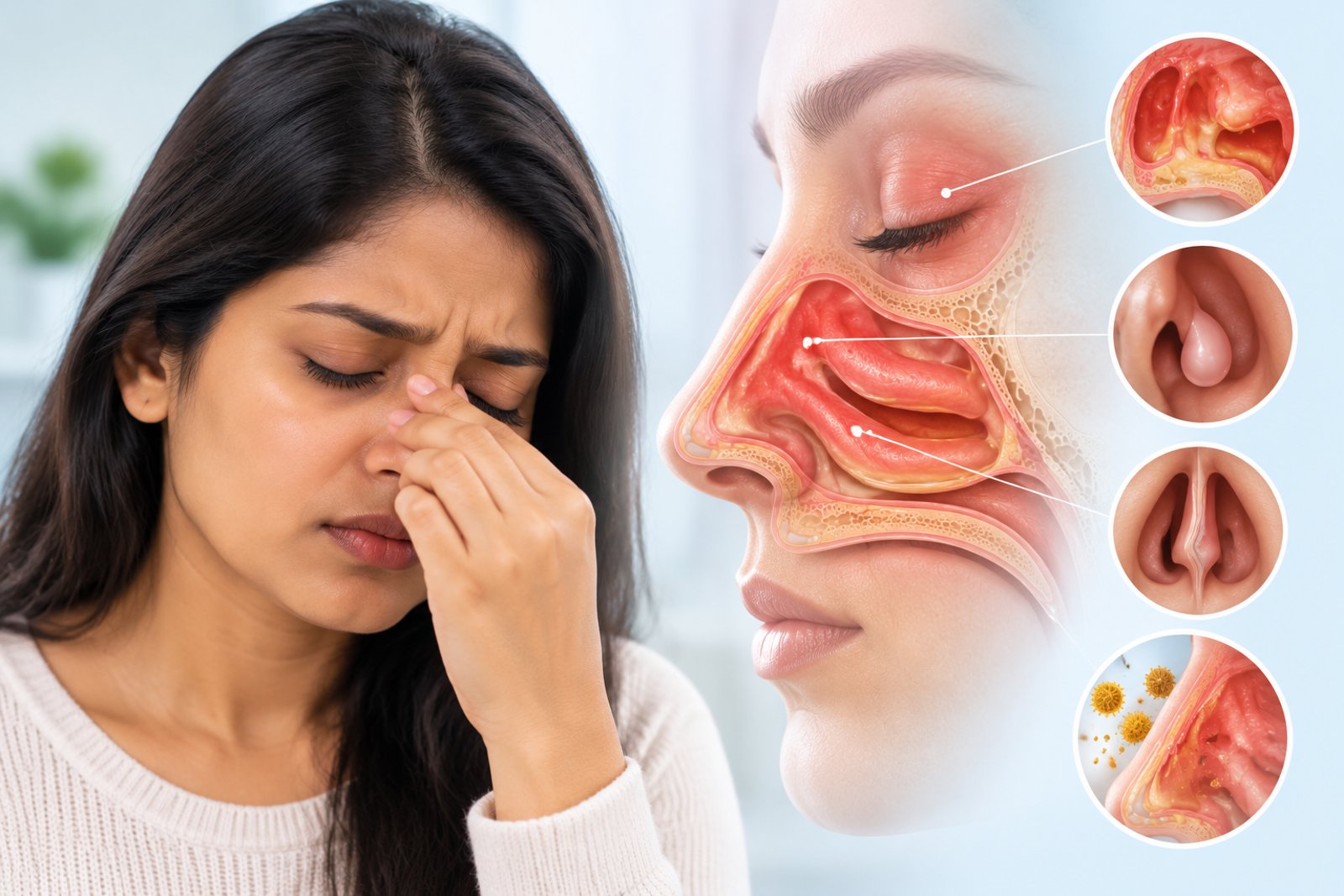
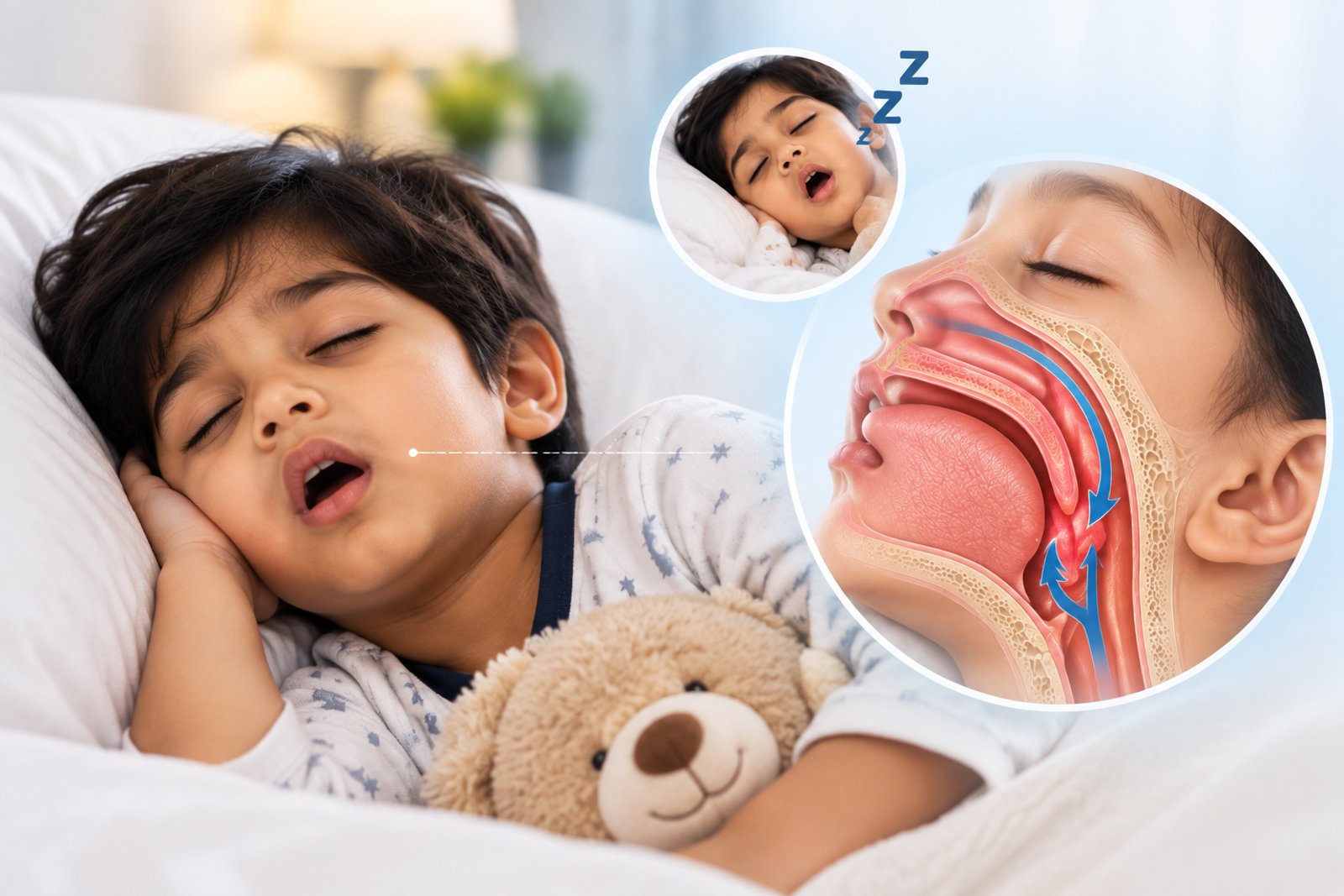
Sleep apnea in children, also called pediatric sleep apnea, means a child stops breathing for short times during sleep. Usually, this happens because something blocks the airway. For example, enlarged tonsils or adenoids can cause airway problems in children. As a result, the child may snore or gasp for air. Over time, poor sleep can lead to daytime problems. Child snoring is not always harmless. Sometimes, it points to serious sleep or airway issues.
Common Causes
Several things can cause sleep apnea in children. Understanding these causes helps parents spot the problem early. Here are some common reasons:
Warning Signs
Parents should watch for these warning signs of pediatric sleep disorders:
Diagnosis
Early diagnosis is important for children with sleep apnea. At Asian ENT Care Centre, an ENT specialist for kids will first ask about your child’s sleep habits. Next, the doctor will do a gentle exam of the nose, throat, and mouth. Sometimes, a sleep study is needed. This test checks breathing and oxygen levels during sleep. In some cases, airway assessment may include simple scans or X-rays. Early diagnosis helps prevent long-term problems with growth and learning. According to the CDC, untreated sleep apnea can affect a child’s health and school performance.
Treatment Options
Treatment depends on the cause of sleep apnea in children. There are several options to help your child sleep better:
FAQs
Is snoring normal in children?
Snoring is not always normal in children. While some children snore once in a while, regular loud snoring can be a sign of sleep apnea or other airway problems. It is best to talk to an ENT specialist for kids if you notice frequent snoring.
Can sleep apnea affect behaviour?
Yes, sleep apnea in children can affect behaviour. Poor sleep may cause irritability, trouble paying attention, or learning problems. According to the World Health Organization, good sleep is important for healthy brain development.
When should parents consult an ENT specialist?
Parents should see an ENT specialist if their child snores loudly, has pauses in breathing, or seems very tired during the day.