Hearing is key for a child’s growth and learning. Otitis media in children, also called a middle ear infection, is common. But can it affect hearing and speech development? Let’s explore why early care matters for your child’s future.
Small Ear Problems Can Affect Big Milestones
Children learn to speak and understand language by hearing sounds around them. For example, when a child hears words, they learn to copy and use them. However, even small hearing problems can slow speech and learning. Because of this, healthy ears are vital for reaching big milestones in talking and understanding.
What Is Otitis Media?
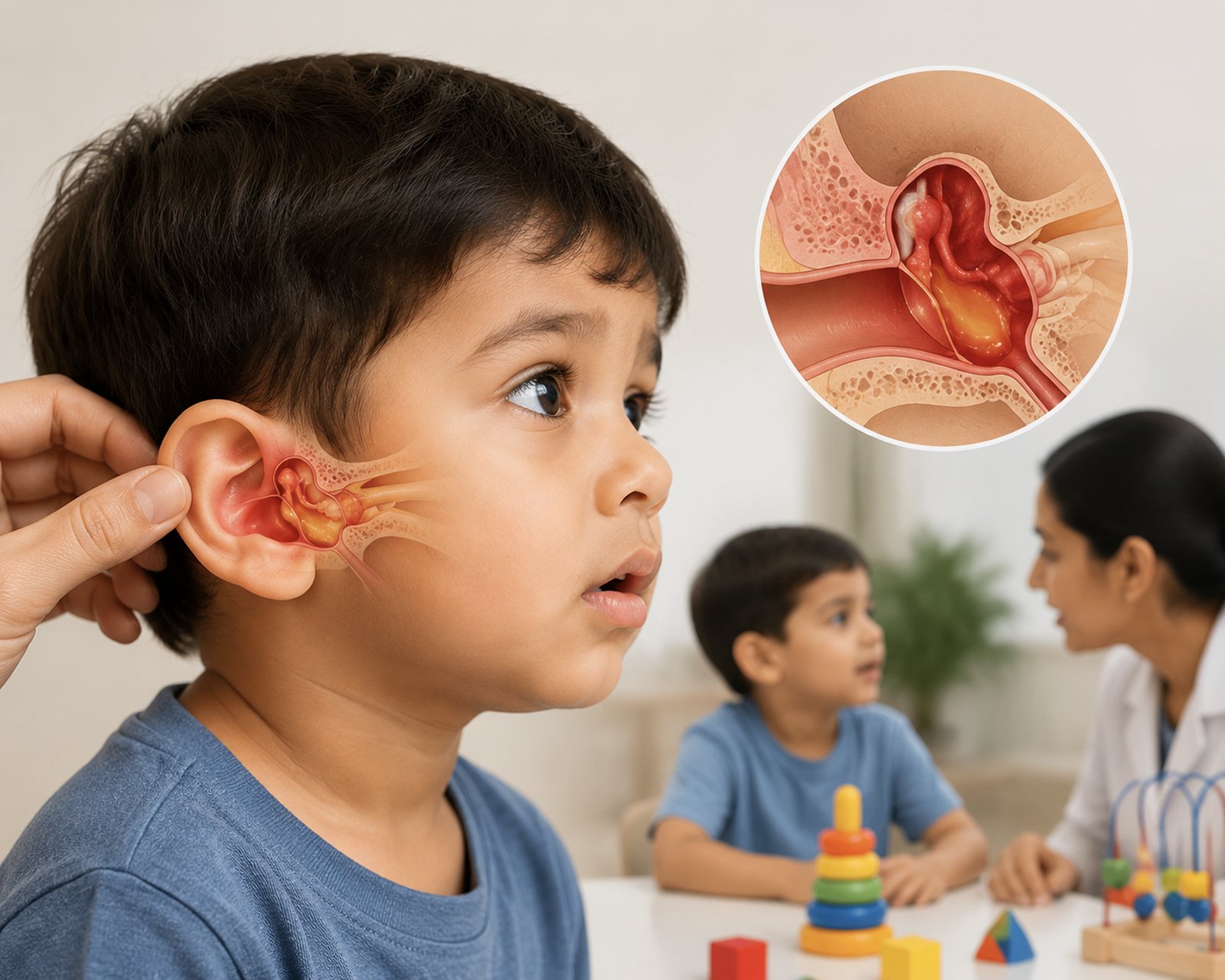
Otitis media is a middle ear infection. It happens when fluid builds up behind the eardrum. Sometimes, this fluid gets infected by germs. As a result, the ear can feel painful or blocked. Otitis media is one of the most common reasons children visit a pediatric ENT specialist.
Why Do Children Get Ear Infections?
Children are more likely to get ear infections for several reasons. First, their Eustachian tubes, which connect the middle ear to the back of the nose, are shorter and more narrow than in adults. Because of this, fluid and germs can get trapped easily. In addition, frequent colds, allergies, and being around other sick children can increase the risk. For example, children in daycare or with siblings may get more infections.
Symptoms Parents Should Watch
It is important to notice signs of a middle ear infection early. Watch for these symptoms:
How Otitis Media Can Affect Hearing
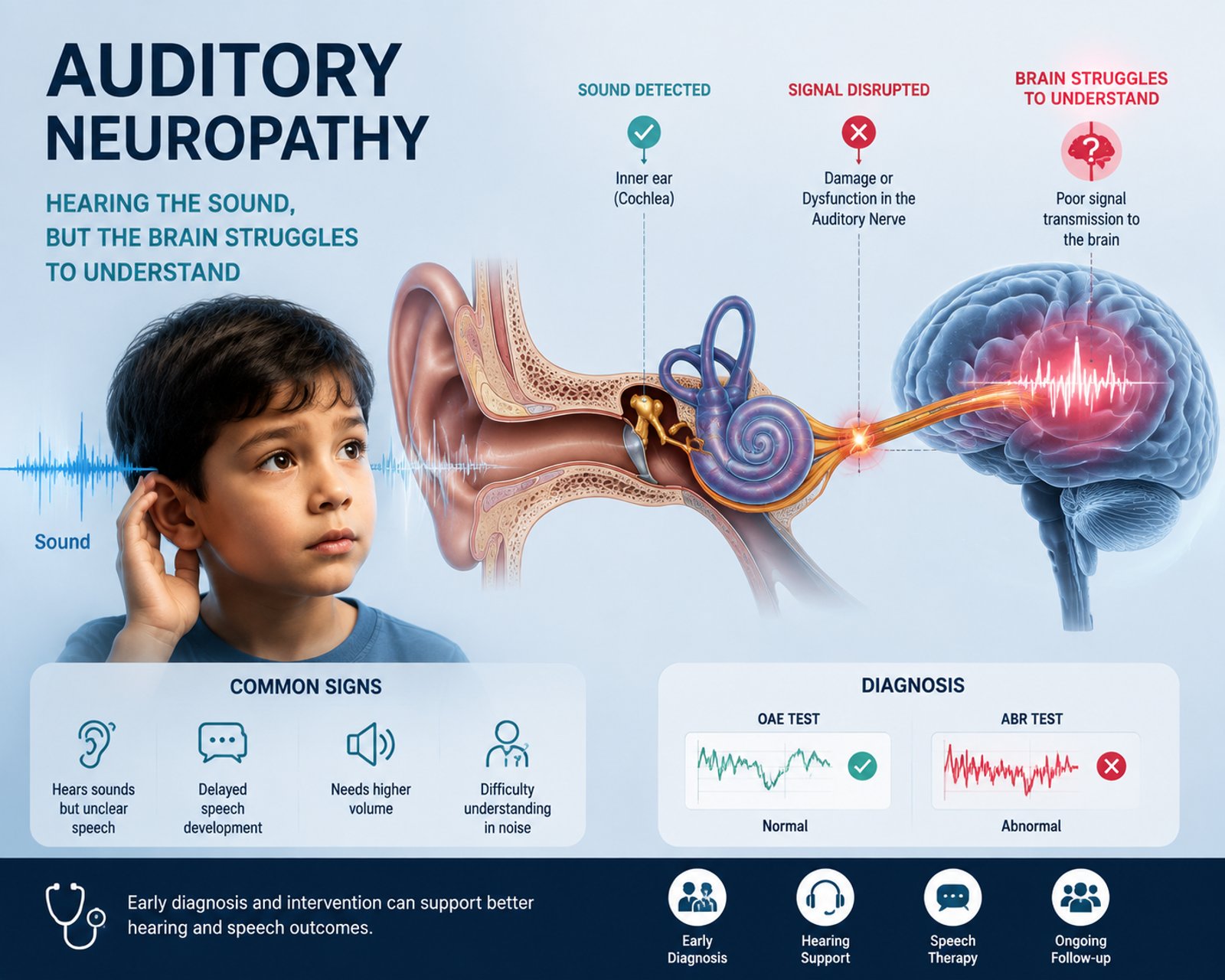
When fluid builds up in the middle ear, it can block sound from reaching the inner ear. As a result, children may have temporary hearing loss. This makes it hard to hear speech sounds clearly. Over time, repeated infections can cause longer periods of hearing trouble. Because of this, children may struggle to follow conversations or respond to their name. According to the CDC, untreated ear infections can lead to more serious hearing problems.
Effect on Speech Development
Hearing is needed for children to learn new words and sounds. If a child cannot hear well, they may not learn to speak as quickly. For example, speech delay due to hearing problems is common in children with frequent ear infections. Early assessment is important. That way, any delays in speech or language can be addressed quickly. The American Academy of Pediatrics notes that early treatment helps prevent long-term effects.
Diagnosis
A pediatric ENT specialist will check your child’s ears with a special light. Sometimes, they use a test called tympanometry to measure fluid behind the eardrum. In addition, hearing tests may be done to check how well your child hears different sounds. These steps help find out if otitis media is causing hearing loss or speech delay.
Treatment Options
Treatment depends on the cause and severity. Often, doctors may suggest watching and waiting, as some infections clear up on their own. However, if symptoms are severe or last longer, medicines like antibiotics may be needed. In children with frequent or long-lasting infections, tiny ear tubes may be placed to drain fluid and prevent future problems. Ear infection treatment should always be guided by a doctor.
Prevention Tips for Parents
There are ways to lower your child’s risk of ear infections:
FAQs
Conclusion
Otitis media in children can affect hearing and speech development. However, early diagnosis and treatment can prevent long-term problems. If your child has repeated ear infections or speech delay concerns, consult Asian ENT Care Center for expert pediatric hearing evaluation.