What Are Hearing Aids?
Hearing aids are small electronic devices that help people hear better. They make sounds louder and clearer. Many adults and children use hearing aids to improve their daily lives. According to the World Health Organization (WHO), millions of people worldwide have hearing loss. Because of this, hearing aids are important tools for better hearing and communication.
Types of Hearing Aids
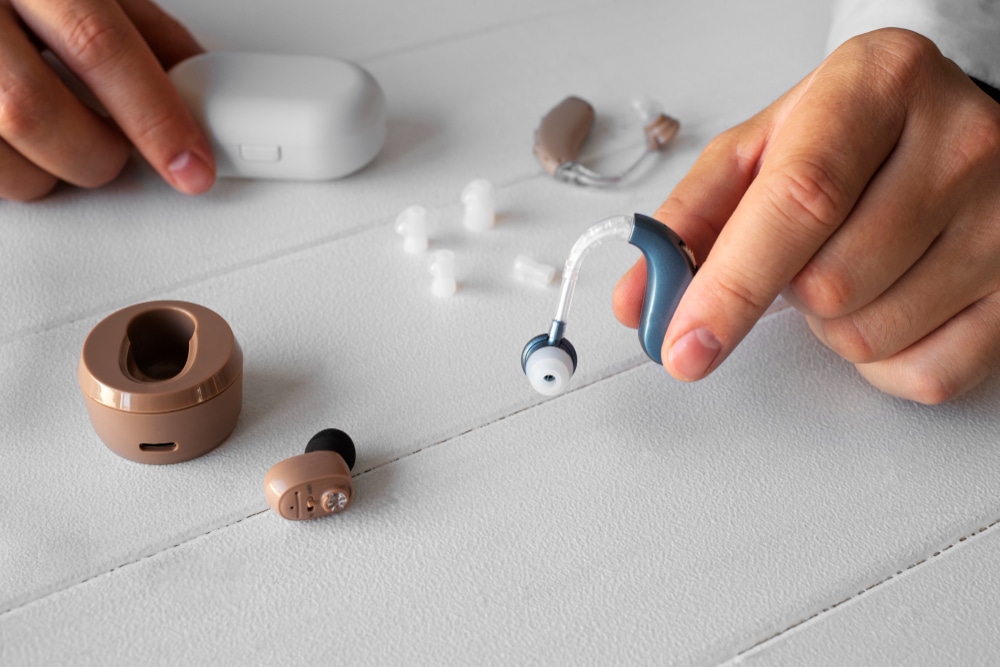
There are several types of hearing aids. Each type fits different needs and lifestyles. Below are the most common types:
- Behind-the-Ear (BTE): These rest behind the ear and connect to an earpiece inside the ear. They are easy to handle and work for most people.
- In-the-Ear (ITE): These fit inside the outer ear. They are less visible than BTE aids but may not suit very small ears.
- In-the-Canal (ITC) and Completely-in-Canal (CIC): These fit partly or fully inside the ear canal. Because they are small, they are less noticeable. However, they may be harder to adjust.
- Receiver-in-Canal (RIC): These are similar to BTE aids but have a tiny wire instead of a tube. They are comfortable and offer clear sound.
- Digital Hearing Aids: These use advanced technology to process sounds. They can adjust to different environments and reduce background noise.
How Hearing Aids Work
Hearing aids have three main parts: a microphone, an amplifier, and a speaker. First, the microphone picks up sounds from the environment. Then, the amplifier makes these sounds louder. Finally, the speaker sends the sounds into your ear. Because of this process, you can hear speech and other sounds more clearly. Many modern hearing aids also filter out background noise. This makes it easier to focus on what you want to hear.
Benefits of Hearing Aids
Wearing hearing aids offers many benefits. Not only do they help you hear better, but they also improve your quality of life. Here are some key hearing aid benefits:
- Better understanding of speech, even in noisy places
- Improved ability to join conversations with family and friends
- Less stress and tiredness from trying to listen
- Increased safety, since you can hear alarms and warnings
- More confidence in social and work settings
According to the CDC, using hearing aids can also help prevent feelings of loneliness and depression.
How to Choose the Right Hearing Aid
Choosing the best hearing aids for adults or children depends on several factors. Because everyone’s hearing loss is different, it is important to consider your needs. Here are some steps to help you decide:
- Get a hearing test: An audiologist will check your hearing and suggest the right type.
- Think about your lifestyle: Do you need a device for work, social events, or quiet places?
- Consider comfort and style: Some people prefer smaller, less visible aids. Others want easy-to-use controls.
- Look at features: Many digital hearing aids offer noise reduction, Bluetooth, or rechargeable batteries.
- Set a budget: Prices vary, so find a hearing aid that fits your needs and budget.
Above all, always ask your hearing care provider for advice. They can help you find the best fit.
Tips for Using and Maintaining Hearing Aids
Once you have your hearing aids, proper care is important. Because good habits help your device last longer, follow these tips:
- Clean your hearing aids daily with a soft, dry cloth
- Keep them away from water, heat, and hairspray
- Change batteries as needed, or recharge if possible
- Store them in a safe, dry place when not in use
- Visit your hearing care provider for regular check-ups
With regular care, your hearing aids will work well for years.
Frequently Asked Questions
- Do hearing aids restore normal hearing?
- No, hearing aids do not cure hearing loss. However, they make sounds clearer and easier to understand.
- Are digital hearing aids better than analog?
- Yes, digital hearing aids offer better sound quality and more features. They adjust to different environments automatically.
- How long do hearing aids last?
- Most hearing aids last 3 to 7 years. With good care, they may last even longer.
- Can I try hearing aids before buying?
- Many providers offer trial periods. This lets you test different models and find the best one for you.
- Do I need one or two hearing aids?
- If you have hearing loss in both ears, using two aids often gives better results.
In summary, hearing aids can greatly improve your life. If you think you need one, consult an ENT specialist at ASIAN ENT CARE CENTRE to find the best hearing aid for your needs.