What Are Snoring and Sleep Apnea?
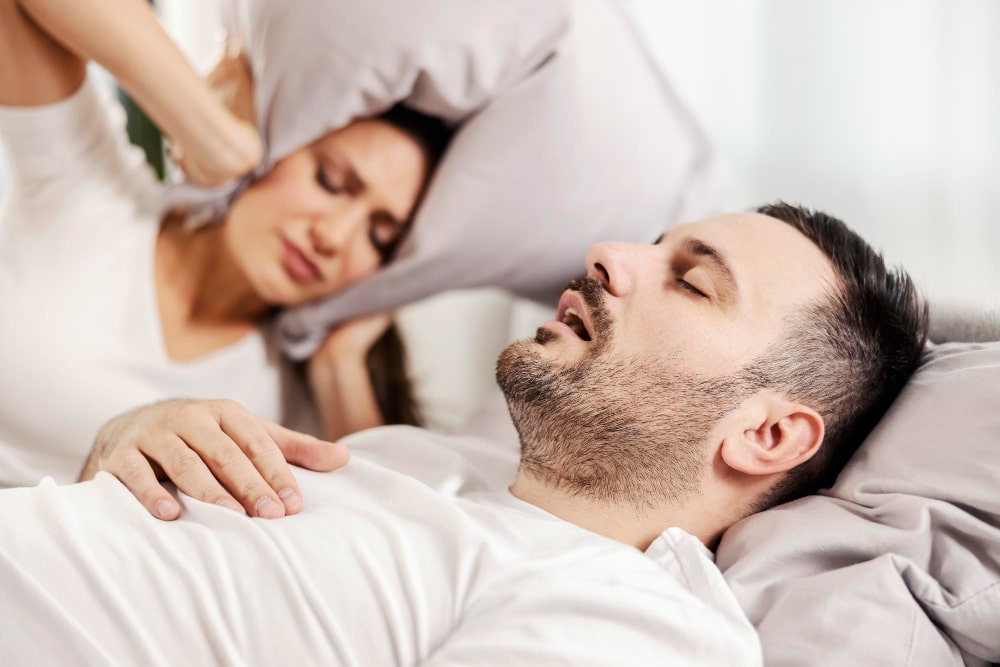
Many people snore at night. However, snoring and sleep apnea are not the same. Snoring is a noisy sound made when air flows past relaxed throat tissues. Sometimes, this sound is harmless. But, sleep apnea is more serious. It means your breathing stops and starts while you sleep. Often, people with sleep apnea do not know they have it. Yet, both snoring and sleep apnea can affect your health and sleep quality.
Common Symptoms
It is important to know the signs of snoring and sleep apnea. For example, you may notice:
Sometimes, a partner or family member may notice these symptoms before you do.
Causes and Risk Factors
There are many snoring causes and reasons for sleep apnea. Some common ones include:
Because these factors can increase your risk, it is important to be aware of them.
Health Risks of Untreated Sleep Apnea
Untreated sleep apnea can lead to serious health problems. For instance, it may cause:
Therefore, getting help for sleep apnea is very important. According to the CDC, treating sleep apnea can lower these risks.
Diagnosis and When to See a Doctor
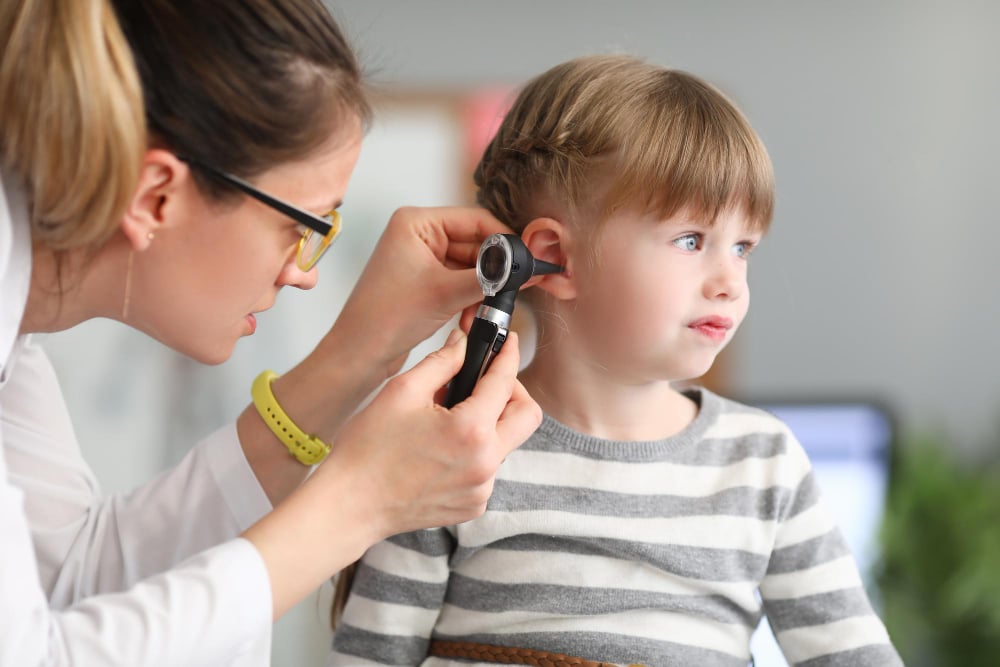
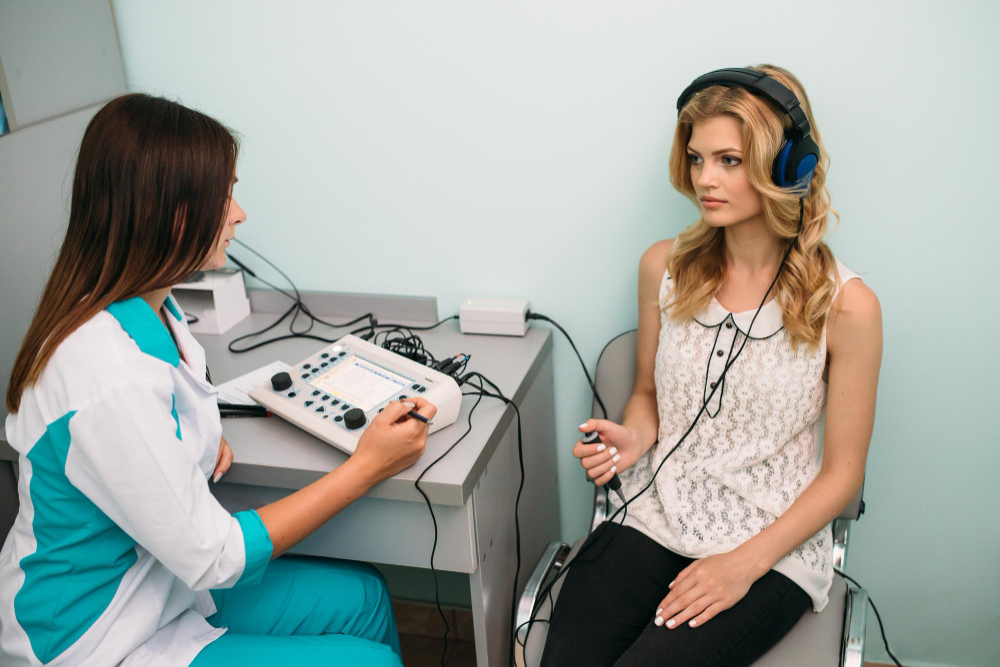
If you have symptoms of snoring and sleep apnea, you should see a doctor. Often, an ENT (ear, nose, and throat) specialist can help. They may ask about your sleep and health history. Sometimes, you may need a sleep study. This test checks your breathing, heart rate, and oxygen levels while you sleep. As a result, your doctor can find the best treatment for you.
Effective Treatment Options
There are many sleep apnea treatment options. Your doctor may suggest:
Because each person is different, your doctor will help you choose the best option.
Lifestyle Tips for Better Sleep
Simple changes can help reduce snoring and improve sleep. For example:
With these tips, you may notice better sleep and less snoring.
Prevention and Self-Care
There are steps you can take to prevent snoring and sleep apnea. For instance:
Because prevention is easier than treatment, these steps can help protect your health.
In summary, snoring and sleep apnea are common but treatable. If you have symptoms, do not wait. Consult Asian ENT Care Center for personalized advice on snoring and sleep apnea.