
What Is Eustachian Tube Dysfunction?
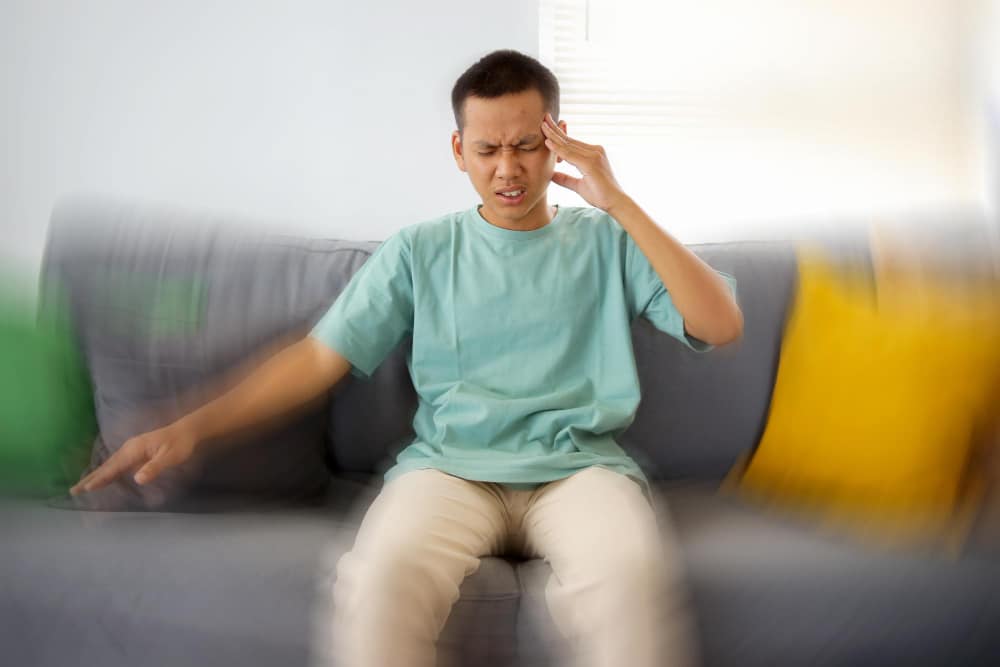
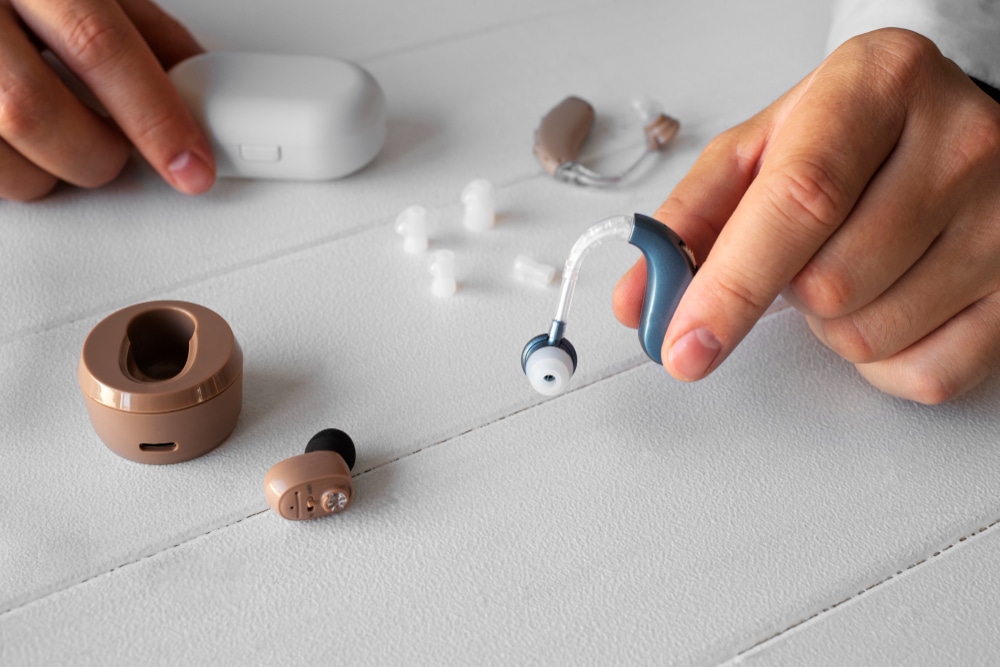
Eustachian Tube Dysfunction happens when the small tubes connecting your middle ear to the back of your nose do not work well. These tubes help balance air pressure and drain fluid from your ears. When they do not open or close properly, you may feel discomfort or fullness in your ears. Because Eustachian Tube Dysfunction can affect hearing and balance, it is important to understand the condition and how to treat it.
Common Symptoms
Many people with Eustachian tube dysfunction notice changes in their ears. For example, you might feel pressure or hear muffled sounds. Below are common Eustachian tube dysfunction symptoms:
Sometimes, symptoms get worse during colds, allergies, or after flying.
Causes and Risk Factors
Several things can cause Eustachian tube problems. Often, swelling or blockage leads to dysfunction. Here are some common causes and risk factors:
In addition, children are more likely to have Eustachian tube dysfunction because their tubes are shorter and more horizontal.
How Eustachian Tube Dysfunction Is Diagnosed
Doctors use several methods to diagnose Eustachian tube dysfunction. First, they ask about your symptoms and medical history. Next, they look inside your ears and nose. Sometimes, they use special tools to check how your eardrum moves. In some cases, hearing tests or imaging scans help rule out other problems. Because symptoms can be similar to other ear issues, a proper diagnosis is important.
Treatment Options
Treatment for Eustachian tube dysfunction depends on the cause and severity. Many cases improve on their own. However, some people need medical help. Common treatments include:
Because each person is different, your doctor will suggest the best treatment for you.
Home Remedies and Lifestyle Tips
There are simple ways to manage Eustachian tube problems at home. For example, you can try these tips:
However, if symptoms last more than a week, see a doctor.
Prevention Strategies
Although you cannot always prevent Eustachian tube dysfunction, you can lower your risk. Consider these prevention strategies:
By following these steps, you may reduce your chances of ear problems.
When to See an ENT Specialist
Sometimes, Eustachian tube dysfunction does not improve with home care. If you have severe pain, hearing loss, or symptoms lasting more than two weeks, you should see an ENT specialist. Also, if you notice fluid draining from your ear or have a high fever, seek medical help right away. Early treatment can prevent complications and protect your hearing.
Conclusion and Next Steps
In summary, Eustachian tube dysfunction can cause discomfort, but many cases are mild and improve with simple care. However, if symptoms persist or worsen, medical treatment may be needed. For the best results, consult Asian ENT Care Center for personalized advice on Eustachian tube dysfunction.