Introduction
Seasonal allergies affect millions of people each year. These allergies can cause sneezing, a runny nose, and itchy eyes. For many, symptoms return at the same time every year. Because of this, daily life and sleep can suffer. However, with the right ENT care, you can manage these symptoms. Asian ENT specialists can help you find relief and improve your quality of life.
What Are Seasonal Allergies?
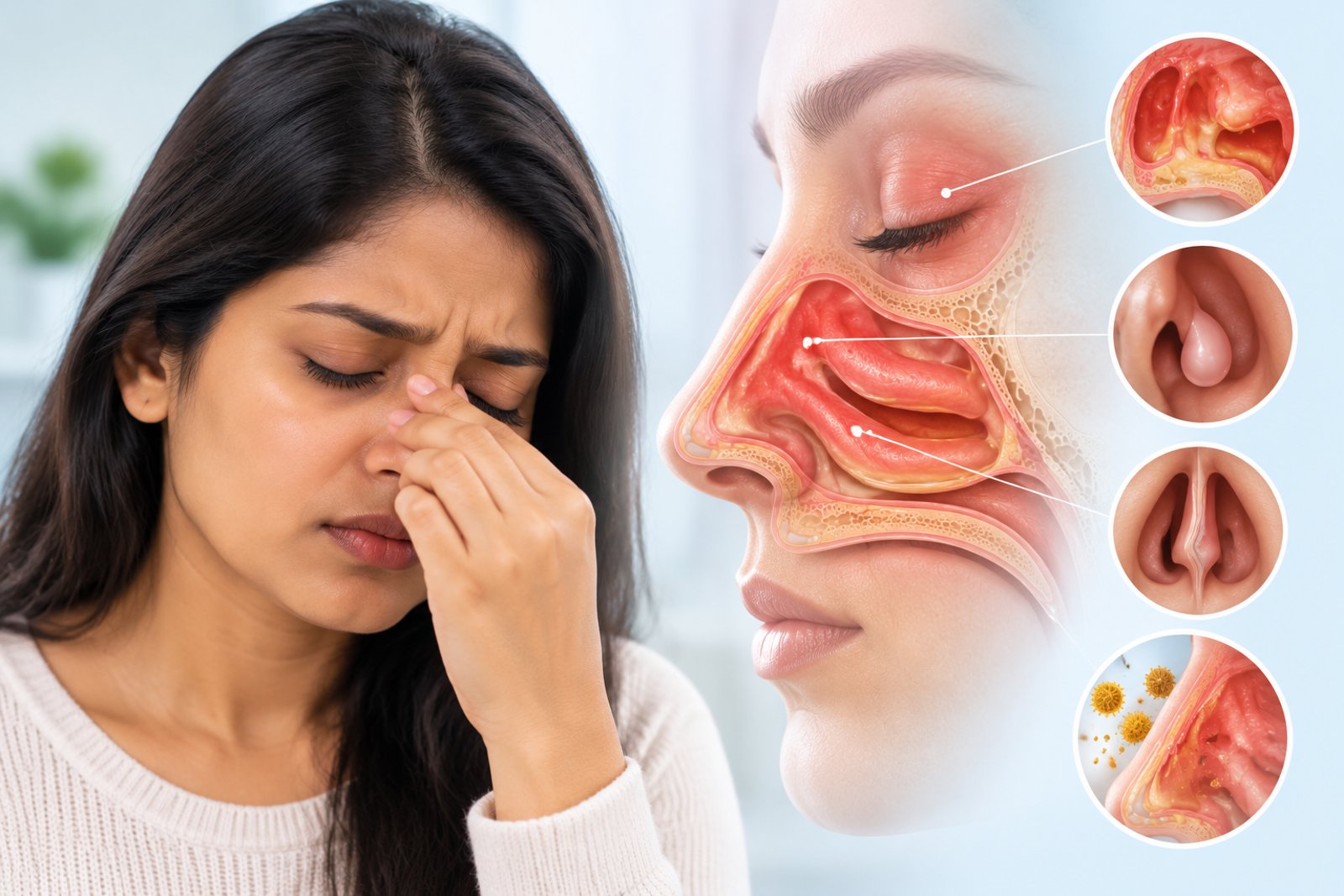
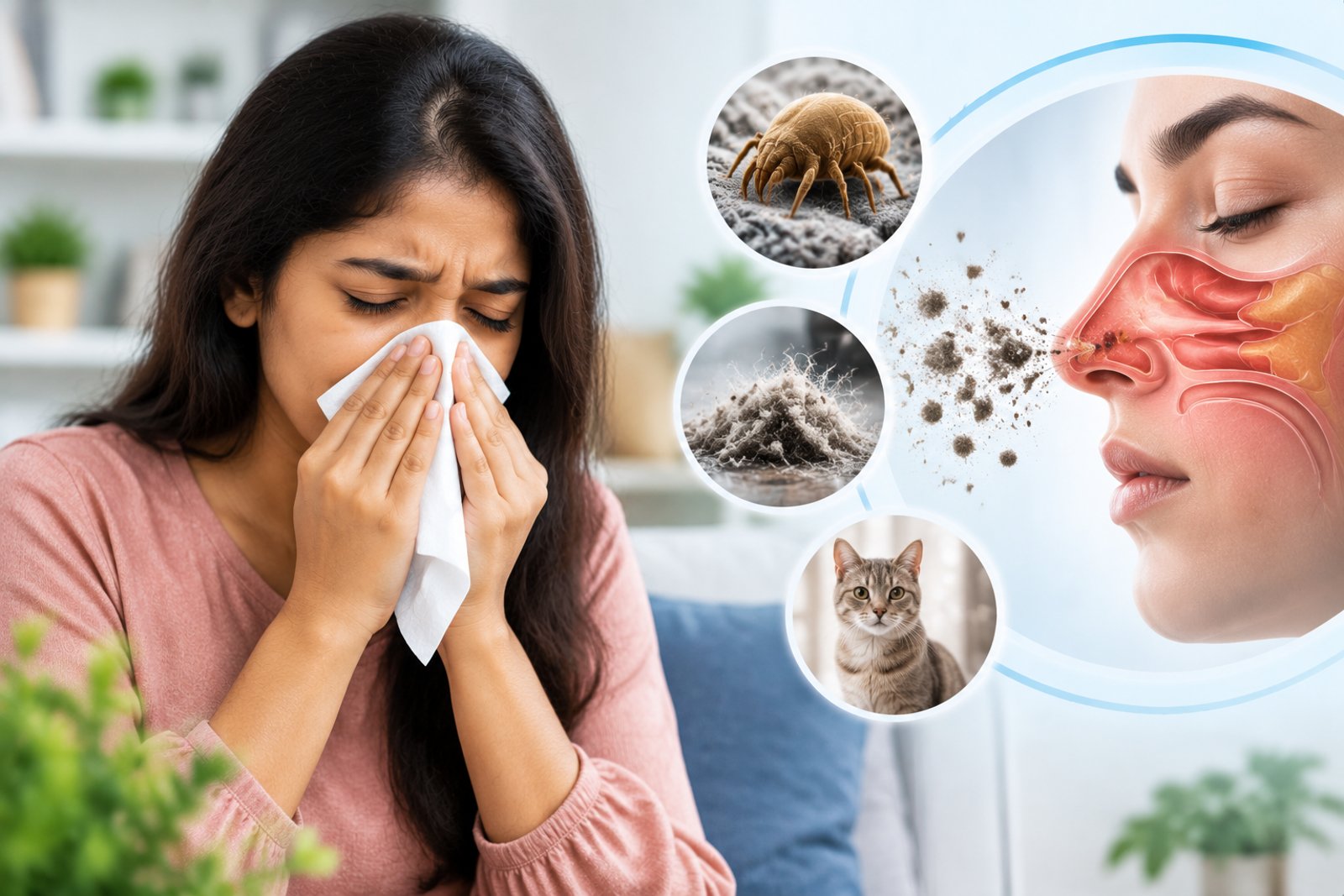
Seasonal allergies happen when your immune system reacts to harmless things in the air. These things, called allergens, include pollen, dust, and mold. When you breathe them in, your body thinks they are harmful. As a result, it releases chemicals like histamine. This causes allergy symptoms. Unlike normal irritation, allergic reactions often bring sneezing, itching, and swelling. One common type is allergic rhinitis, also known as hay fever. This condition affects the nose and can lead to sinus problems due to allergies.
Why Do Seasonal Allergy Symptoms Flare Up?
Many people notice that their seasonal allergy symptoms get worse at certain times of the year. This is because pollen levels rise in spring, summer, or fall. In addition, weather changes can stir up dust and mold. Pollution and indoor allergens also play a role. Because these triggers return each year, symptoms often come back around the same time. For example, tree pollen is high in spring, while grass pollen peaks in summer. Mold and dust can be worse in damp or windy weather. Knowing these patterns can help with allergy prevention tips and allergy symptoms management.
Common Symptoms of Seasonal Allergies
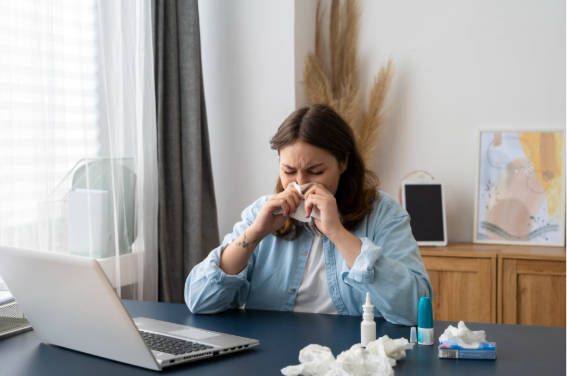
Seasonal allergies can cause a range of symptoms. These may include:
- Sneezing and runny nose
- Blocked or stuffy nose
- Itchy nose, throat, or eyes
- Watery eyes
- Postnasal drip (mucus dripping down the throat)
- Throat irritation or cough
- Reduced sense of smell
Sinus pressure or pain
Because of these symptoms, sleep can be disturbed. Work and daily activities may also become harder. If you notice these signs often, you may need nasal allergy treatment or sneezing and runny nose treatment.
Common Triggers of Seasonal Allergies
Several things can trigger seasonal allergies. These include:
- Pollen from trees, grass, flowers, and weeds
- Dust and dust mites
- Mold spores
- Air pollution
For some, dust and pollen allergy can be severe. Even indoor triggers like pet dander or mold can cause flare-ups. Because triggers vary, it is important to know what affects you most.
How Are Seasonal Allergies Diagnosed?
An ENT specialist for allergies can help diagnose seasonal allergies. First, they will ask about your medical history and symptoms. Next, they may examine your nose and throat. Sometimes, allergy testing is needed to find out what causes your symptoms. In some cases, a sinus assessment is done to check for sinus problems due to allergies. Identifying your triggers is key for effective allergy treatment and ENT care for allergic rhinitis.
Treatment Options for Seasonal Allergies
There are many ways to manage and treat seasonal allergies. Your doctor may suggest:
- Antihistamines to reduce sneezing and itching
- Nasal sprays for blocked nose and swelling
- Decongestants for short-term relief
- Other medicines as needed
In addition, allergy management includes avoiding triggers when possible. For example, staying indoors on high pollen days can help. Saline rinsing can clear allergens from your nose. Keeping your home clean and using air filters can also reduce symptoms. Sometimes, immunotherapy is recommended. This treatment helps your body get used to allergens over time. Your ENT specialist will guide you on the best nasal allergy treatment for your needs.
Prevention Tips to Reduce Allergy Flare-Ups
To lower your risk of allergy symptoms, try these tips:
- Keep windows closed during high pollen seasons
- Shower and change clothes after being outdoors
- Clean your home often to remove dust and mold
- Use air purifiers and keep humidity low
- Wear a mask when cleaning or during pollen season
- Avoid outdoor activities on windy days
Because prevention is key, these steps can help with allergy symptoms management and allergy prevention tips.
When Should You Consult an ENT Specialist?
Sometimes, home care is not enough. You should see an ENT specialist for allergies if:
- Symptoms last for weeks or keep coming back
- You have trouble sleeping or breathing
- Your nose is often blocked
- You get frequent sinus infections
- Over-the-counter medicines do not help
Early ENT care for allergic rhinitis can prevent complications and improve your comfort.
Seasonal Allergies vs Common Cold
| Feature | Seasonal Allergies | Common Cold |
| Cause | Triggered by allergens | Caused by viruses |
| Duration | May recur seasonally | Usually temporary |
| Itching | Often causes itching (eyes/nose) | Less likely to cause itching |
| Exposure | Symptoms continue with allergen exposure | Usually improves within days |
| Pattern | Can return during specific seasons | Usually occurs as a short-term infection |
Conclusion
In summary, seasonal allergies are common but manageable. By knowing your triggers and following prevention tips, you can reduce symptoms. Early diagnosis and proper allergy treatment from an ENT specialist make a big difference. With the right care, you can enjoy each season with fewer problems.
If seasonal allergies are affecting your daily life, consult Asian ENT for expert evaluation, personalized allergy management, and effective treatment options to breathe easier throughout the year.