
Introduction
Salivary Gland Endoscopy, also called Sialendoscopy, is a modern, minimally invasive solution for salivary gland disorders. At Asian ENT Care Center, this advanced procedure helps many people find relief from painful symptoms. Because it uses tiny tools and a camera, sialendoscopy allows doctors to treat problems without large cuts. As a result, patients recover faster and feel better sooner. If you have swelling, pain, or repeated infections in your mouth or jaw, this gentle treatment may help. Read on to learn how sialendoscopy at Asian ENT Care Center can improve your quality of life.
What Is Salivary Gland Endoscopy (Sialendoscopy)?
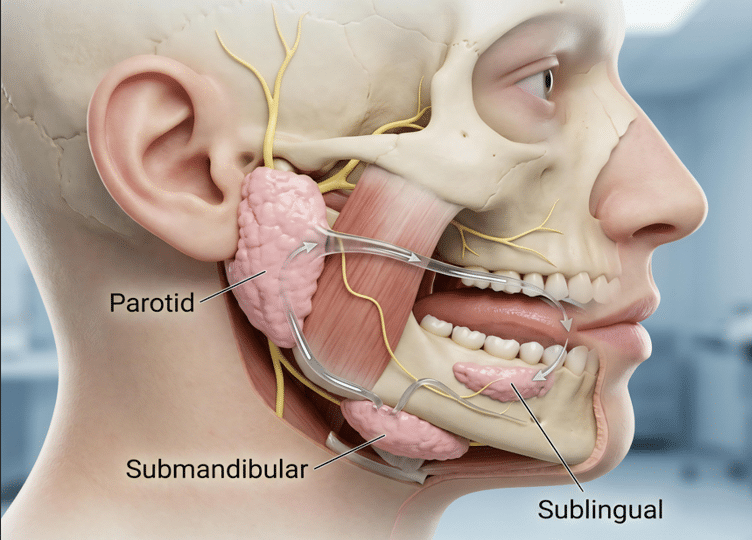
Sialendoscopy is a special procedure that lets doctors look inside the small tubes of your salivary glands. These glands make saliva, which keeps your mouth moist and helps you eat and speak. Sometimes, these tubes get blocked or infected. With sialendoscopy, doctors use a thin, flexible camera to see inside and treat the problem. Unlike traditional surgery, this method does not need big cuts. Therefore, it is called a minimally invasive ENT procedure. Many people prefer it because it is gentle and safe.
Common Salivary Gland Disorders Treated
Many conditions can affect your salivary glands. Sialendoscopy is often used to treat:
Salivary stones (small, hard deposits that block saliva flow)
Chronic infections (repeated swelling or pain in the glands)
Duct narrowing (when the tubes become tight or scarred)
Mucous plugs (thick saliva blocking the ducts)
Unexplained swelling or discomfort
Because sialendoscopy targets these problems directly, it can bring quick relief. In many cases, it helps avoid open surgery.
Symptoms and When to Seek Help
It is important to notice signs of salivary gland disorders early. Common symptoms include:
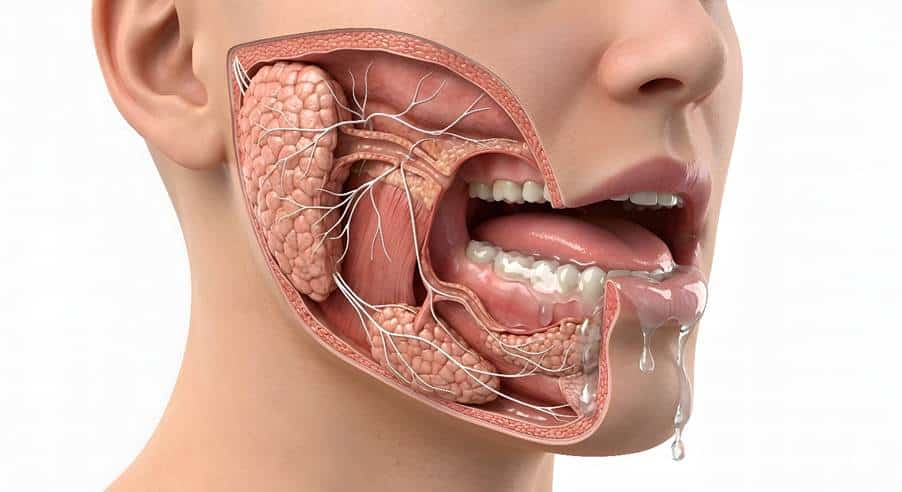
Swelling near your jaw, cheek, or under your tongue
Pain when eating or swallowing
Dry mouth or trouble making saliva
Bad taste or pus in your mouth
Repeated infections or fever
If you notice these symptoms, do not wait. Early treatment at Asian ENT Care Center can prevent bigger problems. For example, quick care can stop infections from spreading.
How Sialendoscopy Works: The Procedure Explained
First, your doctor will numb the area to keep you comfortable. Next, a thin camera is gently placed into the salivary duct. This camera lets the doctor see inside the gland on a screen. If a stone or blockage is found, tiny tools can remove it right away. Sometimes, doctors use a small balloon to open tight ducts. The whole process usually takes less than an hour. Most people go home the same day. Because there are no big cuts, healing is much faster.
Benefits of Minimally Invasive Sialendoscopy
Sialendoscopy offers many advantages over traditional surgery:
Smaller or no scars
Less pain after the procedure
Shorter recovery time
Lower risk of infection
Preserves the natural gland
Outpatient treatment (no long hospital stay)
Because of these benefits, more people are choosing sialendoscopy for salivary gland disorders. According to medical studies, this method is safe and effective for most patients.
Recovery and Aftercare Tips
After sialendoscopy, most people feel better quickly. However, some mild swelling or soreness is normal. To help your recovery:
Drink plenty of water to keep your mouth moist
Eat soft foods for a few days
Follow your doctor’s advice about medicines
Gently massage the area if told to do so
Keep follow-up appointments at Asian ENT Care Center
If you notice fever, severe pain, or more swelling, contact your doctor right away. Early care can prevent complications.
Why Choose Asian ENT Care Center?
Asian ENT Care Center is known for expert care in salivary gland disorders. Here, you will find:
Experienced ENT specialists trained in sialendoscopy
Modern equipment for safe, gentle procedures
Personalized care for each patient
Friendly staff who answer your questions
Convenient location and easy appointments
Because your comfort and health matter, the team works closely with you at every step. Many patients in the area trust Asian ENT Care Center for their ENT needs.
Prevention and Lifestyle Guidance
While some salivary gland problems cannot be prevented, healthy habits can lower your risk. For example:
Drink enough water every day
Practice good oral hygiene (brush and floss regularly)
Avoid tobacco and limit alcohol
Eat a balanced diet with fruits and vegetables
See your dentist and doctor for regular check-ups
If you have a history of salivary gland issues, talk to your doctor about ways to stay healthy. Early action can help you avoid future problems.
Conclusion
Salivary Gland Endoscopy (Sialendoscopy) is a gentle, effective way to treat many salivary gland disorders. At Asian ENT Care Center, you receive expert care with the latest technology. If you have symptoms or concerns, do not wait. Consult a specialist at Asian ENT Care Center for personalized advice on salivary gland disorders.