What Is Eustachian Tube Dysfunction?
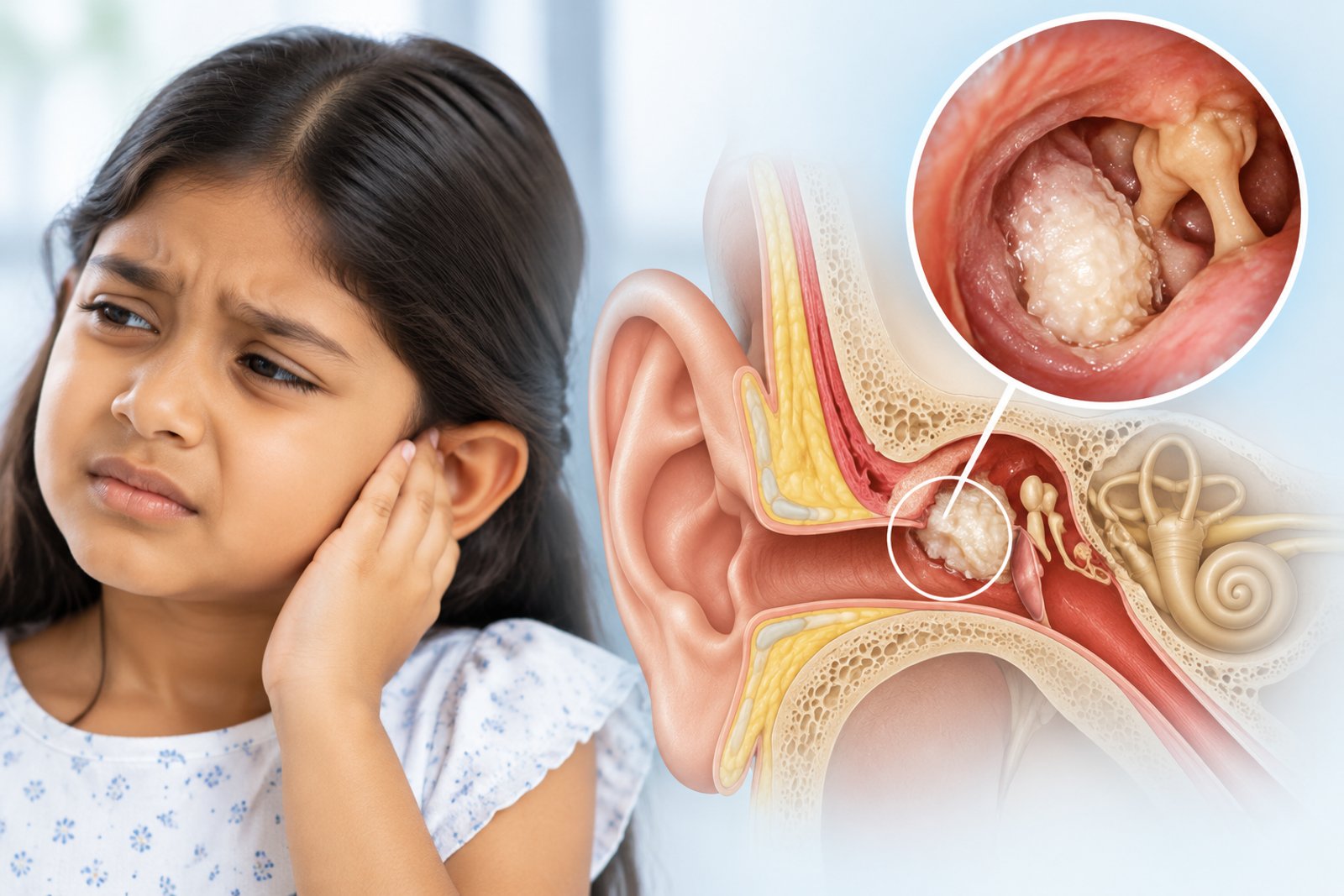
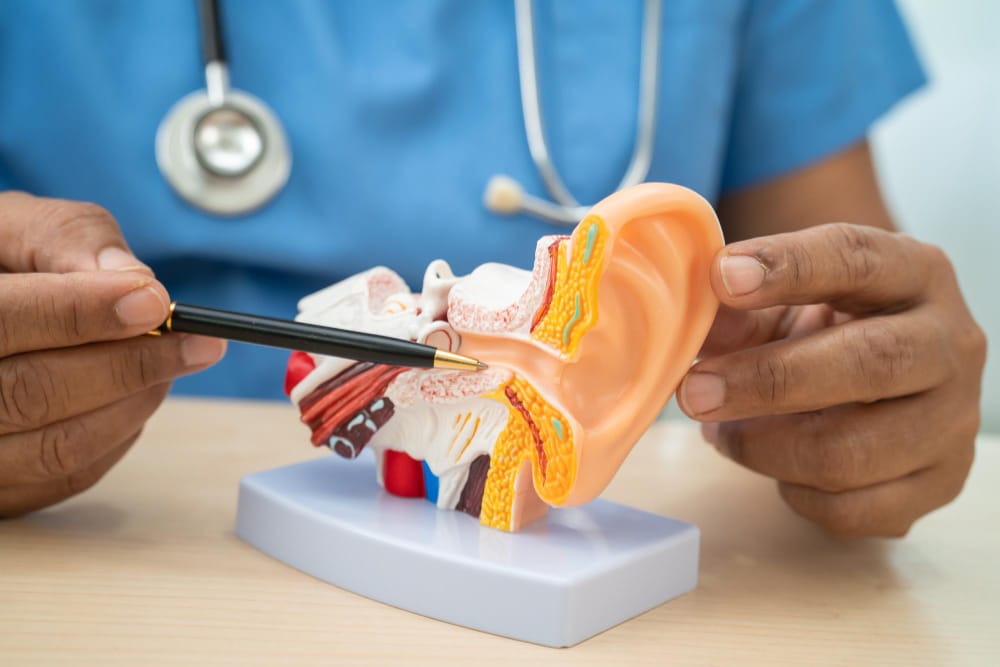
Eustachian Tube Dysfunction (ETD) happens when the small tube connecting your middle ear to the back of your nose does not work well. This tube helps balance ear pressure and drains fluid from the ear. When it does not open or close properly, you may feel discomfort or fullness in your ear. Eustachian tube dysfunction is a common element many people seek for blocked ear relief.
Common Causes of Eustachian Tube Dysfunction
Several things can cause Eustachian Tube Dysfunction. For example, allergies or colds often lead to swelling in the tube. In addition, sinus infections and upper respiratory infections can block the tube. Sometimes, quick changes in air pressure, such as during flying or diving, also cause problems. Other causes include:
Because these causes are common, many people experience ETD symptoms at some point.
Symptoms to Watch For
ETD symptoms can be mild or bothersome. However, knowing what to look for helps you seek help sooner. Common signs include:
Because these symptoms can also signal other ear problems, it is important to pay attention and seek advice if they last more than a few days.
How Is Eustachian Tube Dysfunction Diagnosed?
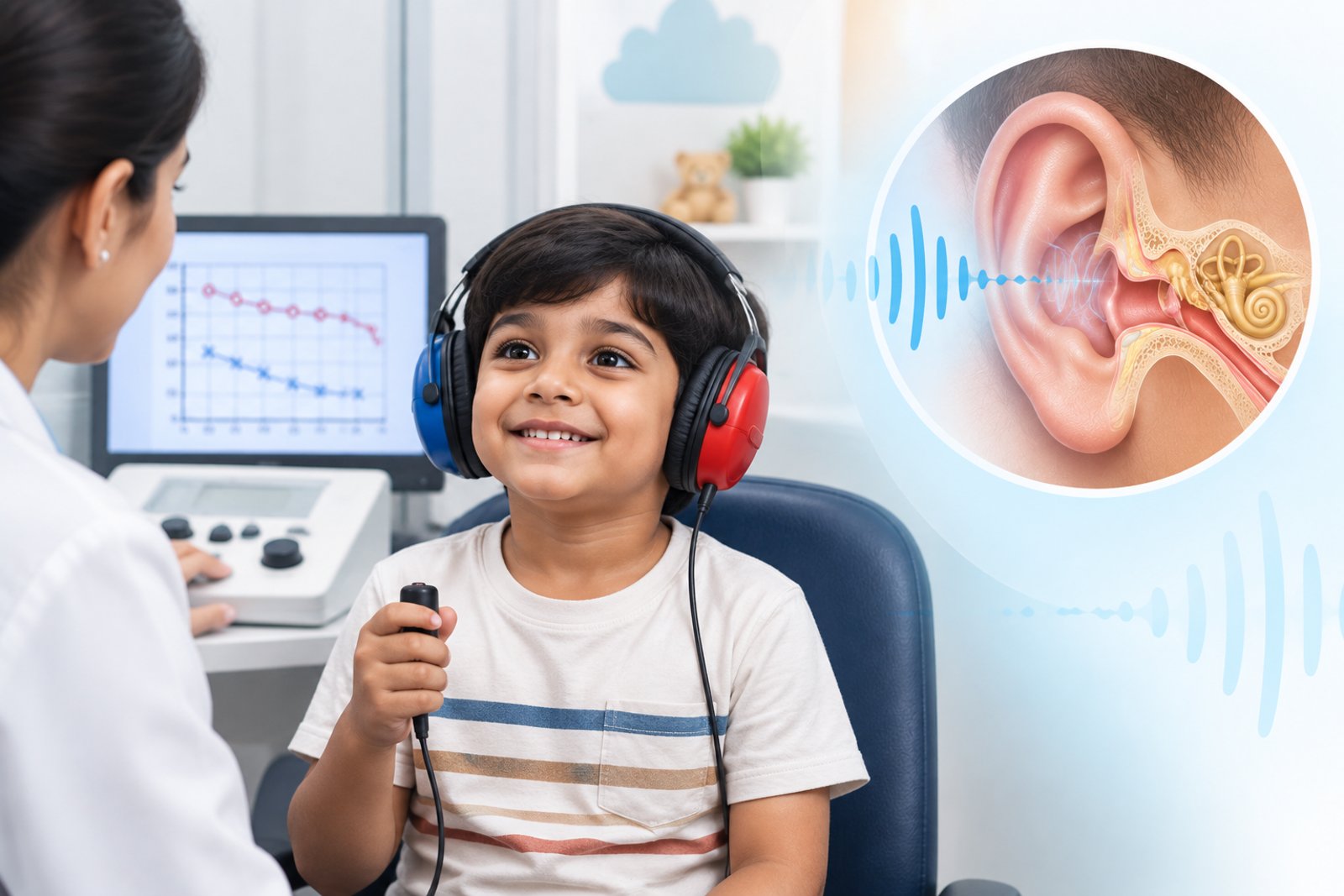
Doctors use several methods to diagnose Eustachian Tube Dysfunction. First, they ask about your symptoms and medical history. Next, they look inside your ears, nose, and throat. Sometimes, they use special tools to check for fluid or pressure changes in your ear. In some cases, hearing tests help rule out other problems. Because ETD shares symptoms with other ear conditions, a careful exam is important for the right diagnosis.
Effective Relief and Treatment Options
Many people want to know how to treat Eustachian Tube Dysfunction and find blocked ear relief. Treatment depends on the cause and how severe your symptoms are. Common options include:
However, you should always talk to a doctor before starting any treatment, especially for children.
Tips for Prevention and Self-Care
While you cannot always prevent ETD, some steps may lower your risk. For example, you can:
Because these habits support ear health, they may help reduce the chance of Eustachian Tube Dysfunction.
Conclusion
Eustachian Tube Dysfunction is common and often treatable. If you have ongoing ear pressure, pain, or hearing changes, do not ignore them. Consult an ENT specialist at Asian ENT Care Center for personalized advice and timely care to protect your ear health.