
Introduction
Dizziness vs vertigo is a common concern for many people. But what is the difference between dizziness and vertigo? Many visit an ENT specialist in Asia with these symptoms. At Asian ENT Care Center, we help patients understand these issues. Knowing the difference can guide you to the right care. In this blog, we explain dizziness, vertigo, and how our center can help.
What is Dizziness?
Dizziness is a feeling of being lightheaded or unsteady. Sometimes, you may feel faint or as if you might lose your balance. Often, dizziness does not involve a spinning sensation. Instead, it can feel like you are floating or swaying. For many, dizziness comes and goes. However, it can affect daily life if it happens often.
What is Vertigo?
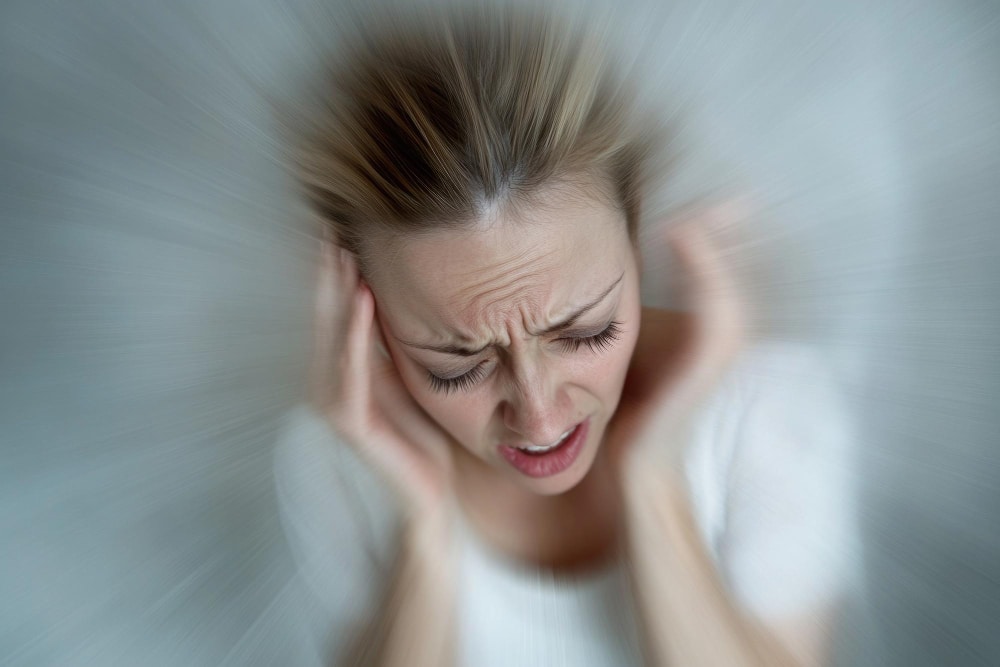
Vertigo is a specific type of dizziness. It makes you feel as if you or your surroundings are spinning or moving. Unlike general dizziness, vertigo is more intense. For example, you may feel like the room is turning even when you are still. Vertigo often comes with nausea or trouble walking. It can last for seconds or even hours.
Key Differences Between Dizziness and Vertigo
It is important to know how these two symptoms differ. While both can be unsettling, they are not the same. Here are the main differences:
Common Causes
Many things can cause dizziness or vertigo. However, the causes are often different. Here are some common reasons:
Symptoms to Watch For
Recognizing symptoms can help you seek care sooner. While some symptoms overlap, others are unique. For example, vertigo often causes spinning, while dizziness does not. Watch for these signs:
If you notice these symptoms often, it is wise to consult an ENT specialist at Asian ENT Care Center.
Diagnosis: How ENT Specialists Assess Dizziness and Vertigo
At Asian ENT Care Center, our ENT specialists use several steps to diagnose your symptoms. First, they will ask about your medical history. Next, they may perform a physical exam. Sometimes, special tests are needed. For example, balance tests or hearing tests can help. In some cases, imaging like MRI or CT scans may be used. This careful approach helps find the exact cause.
Treatment Options
Treatment depends on the cause. However, most cases can be managed well. Common treatments include:
Our team at Asian ENT Care Center will guide you through the best options for your needs.
Prevention and Lifestyle Tips
While not all causes can be prevented, some steps may help. For example, you can:
These simple tips can lower your risk of dizziness or vertigo.
When to See an ENT Specialist at Asian ENT Care Center
Sometimes, dizziness or vertigo can signal a serious problem. You should see an ENT specialist if you:
Early care can prevent complications. At Asian ENT Care Center, our experts offer advanced ENT care in Asia. We are here to help you feel better and stay safe.
Conclusion
Dizziness and vertigo can affect your life, but help is available. If you have concerns, do not wait. Consult an ENT specialist at Asian ENT Care Center for personalized advice and care.