What is a Tracheostomy?
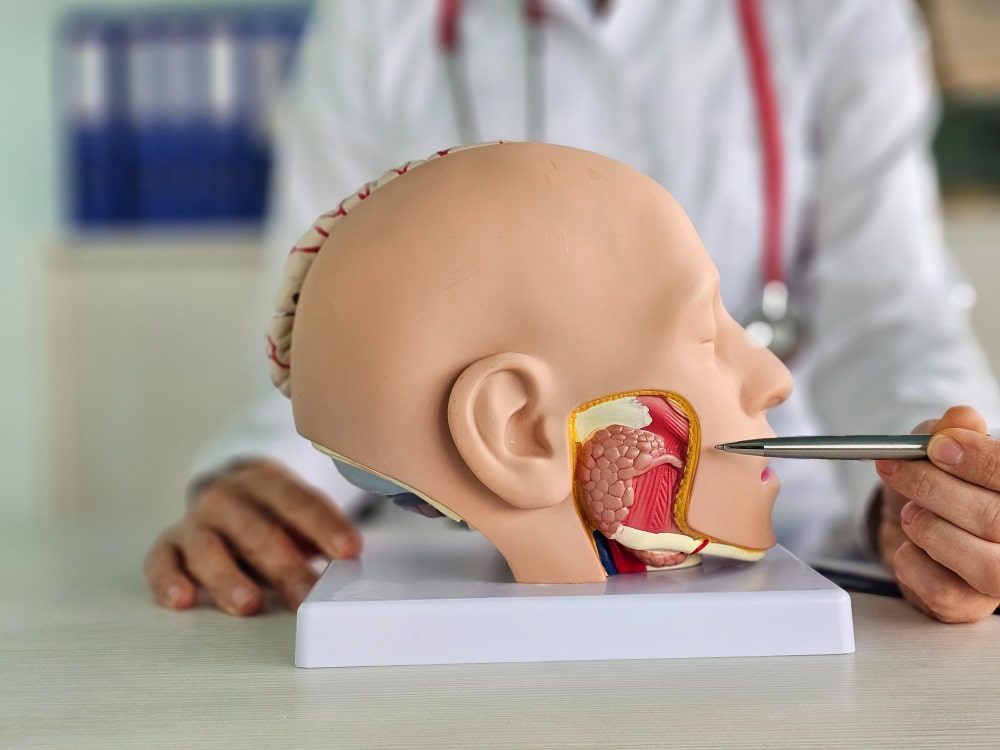
A tracheostomy is a medical procedure. In this procedure, doctors create a small opening in the neck. This opening leads directly into the windpipe, also called the trachea. Through this opening, a tube is placed to help with breathing. Often, people need a tracheostomy when they cannot breathe well through their nose or mouth. For many, this procedure can save lives. The main goal is to make sure air reaches the lungs easily.
When is a Tracheostomy Needed?
Sometimes, breathing becomes very hard. In these cases, a tracheostomy may be needed. For example, doctors may suggest this procedure if:
Additionally, people with certain cancers or severe lung diseases may need a tracheostomy. If you or a loved one has trouble breathing, it is important to seek help quickly.
How is a Tracheostomy Performed?
First, doctors check if a tracheostomy is the best option. They may use tests like X-rays or CT scans. Next, the procedure is done in a hospital. Usually, you will get medicine to help you relax or sleep. Then, the doctor cleans the neck area and makes a small cut. After that, a tube is placed into the windpipe. This tube allows air to flow in and out easily. The whole process often takes less than an hour. Most people stay in the hospital for a few days after the procedure.
What to Expect After a Tracheostomy
After the procedure, you may feel some discomfort. However, this usually gets better in a few days. Nurses and doctors will teach you how to care for the tube. For example, you will learn how to keep the area clean and how to change the tube if needed. Some people may need help with speaking or eating at first. Over time, many people adjust well to living with a tracheostomy.
Benefits and Risks of Tracheostomy
Like all medical procedures, a tracheostomy has both benefits and risks. On the positive side, it can:
However, there are also some risks. These may include:
But with proper care, most people recover well. Doctors at Asian ENT Care Center work hard to reduce these risks.
Tracheostomy Care at Asian ENT Care Center
At Asian ENT Care Center, you will find expert ENT specialists. They use the latest tools and follow safe methods. From the first visit, the team explains each step. In addition, they offer support for both patients and families. After the procedure, nurses teach you how to care for the tube at home. Regular follow-ups help prevent problems. If you have questions, the care team is always ready to help. For those in the area, tracheostomy care in our center is both safe and reliable.
Prevention and Lifestyle Tips
While not all cases can be prevented, some steps may help lower the risk of needing a tracheostomy. For example:
Furthermore, after a tracheostomy, it is important to keep the area clean. Always follow your doctor’s advice. Stay away from dust and smoke. With good care, you can lead a healthy life.
Frequently Asked Questions
Conclusion and Next Steps
In summary, a tracheostomy can help people breathe better when other options do not work. While it may seem scary, many people adjust well with the right support. If you or a loved one may need a tracheostomy, do not wait. Consult a specialist at Asian ENT Care Center for personalized guidance on tracheostomy.