Introduction
Decortication is a surgery that helps treat trapped lung and empyema. A trapped lung happens when the lung cannot expand fully. Empyema is a collection of pus in the space around the lungs. Both conditions can make breathing hard and cause pain. Decortication: treating trapped lung and empyema is important because these problems can affect your daily life. Knowing about this treatment helps you make informed choices about your lung health.
What is Decortication?
Decortication is a type of lung surgery. During this procedure, doctors remove thick, infected tissue from around the lung. This tissue can stop the lung from expanding. By removing it, the lung can work better. Often, decortication is used when other treatments, like antibiotics or drainage, do not work. This surgery can help people breathe easier and feel better.
Understanding Trapped Lung and Empyema
Trapped lung means the lung is stuck and cannot expand. This can happen when scar tissue forms around the lung. Empyema is when pus collects in the space between the lung and chest wall. Usually, empyema starts after an infection, like pneumonia. Both trapped lung and empyema can cause serious health problems if not treated. In the US and worldwide, these conditions are treated with care to prevent long-term issues.
Symptoms and Causes
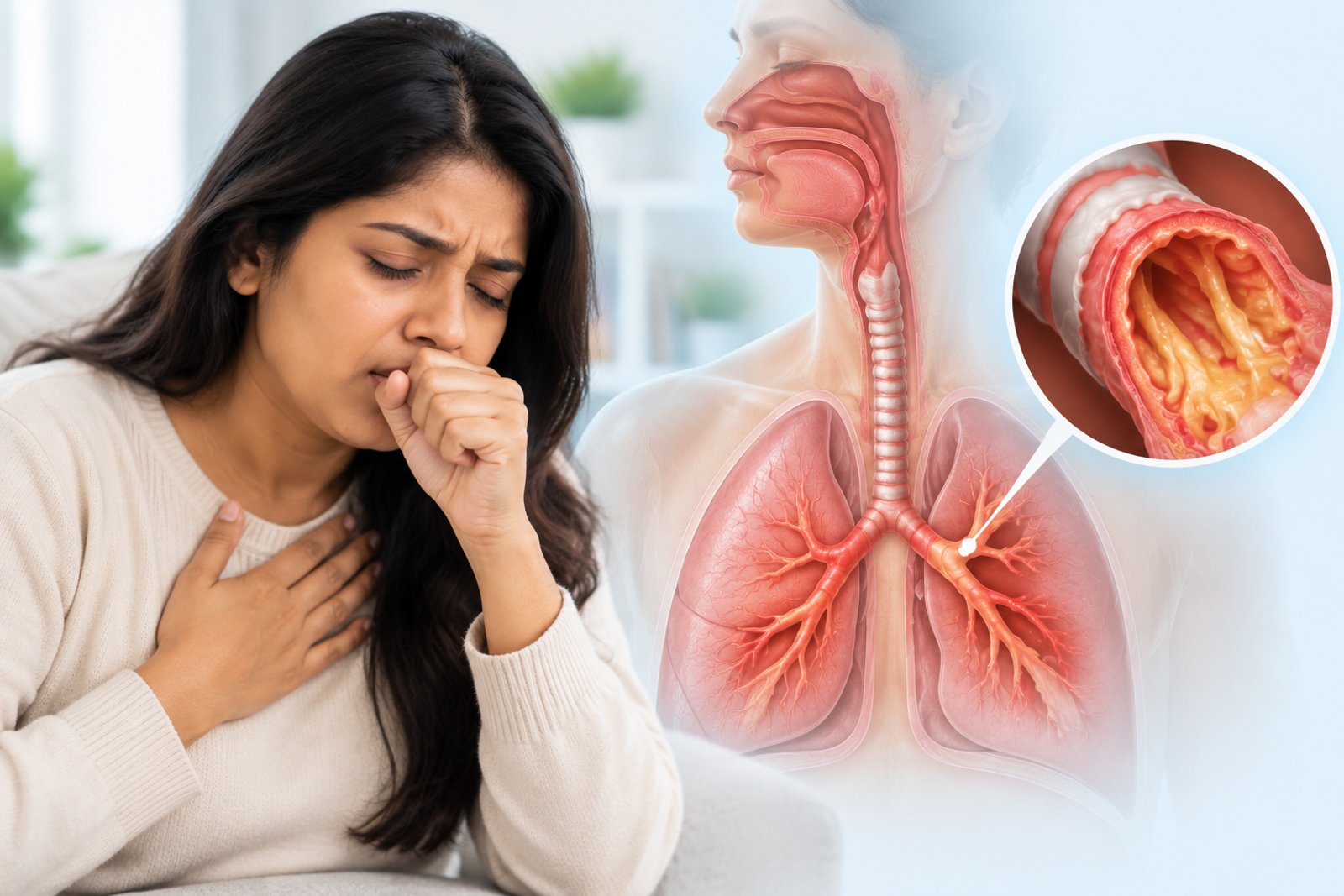
Many people with trapped lung or empyema notice symptoms such as:Shortness of breathChest pain or tightnessFever or chillsCough, sometimes with pus or bloodFeeling tired or weak
Often, these problems start after a lung infection. For example, pneumonia can lead to empyema. Sometimes, injury or surgery can also cause trapped lung. If you notice these symptoms, it is important to seek medical help quickly.
Diagnosis and When to Seek Help
Doctors use several tests to diagnose trapped lung and empyema. These may include:Chest X-ray to look for fluid or trapped lungCT scan for detailed imagesBlood tests to check for infectionSampling fluid from the chest with a needle
If you have trouble breathing, chest pain, or a high fever, seek help right away. Early diagnosis can prevent serious problems. In many cases, quick treatment leads to better outcomes.
Decortication Procedure: What to Expect
Before surgery, doctors explain the steps and answer your questions. You will get medicine to help you sleep during the procedure. The surgeon makes small cuts in the chest to reach the lung. Next, the thick tissue or pus is carefully removed. This helps the lung expand again. The surgery may take a few hours. Afterward, you will stay in the hospital for monitoring. Doctors and nurses will check your breathing and help manage pain.
Recovery and Aftercare
Recovery from decortication takes time. Most people stay in the hospital for several days. During this time, you may:Receive pain medicineHave a chest tube to drain fluidDo breathing exercises to help the lung heal
Once home, follow your doctor’s advice. Rest is important, but gentle movement helps prevent problems. Watch for signs of infection, such as fever or redness. If you notice these, contact your doctor right away. With proper care, most people recover well and breathe easier.
Prevention and Lifestyle Tips
While not all cases can be prevented, you can lower your risk by:Getting prompt treatment for lung infectionsQuitting smoking to keep lungs healthyPracticing good hand hygiene to avoid illnessFollowing up with your doctor after chest injuries or surgery
Additionally, staying active and eating a balanced diet can support lung health. If you have a history of lung problems, regular check-ups are helpful.
Frequently Asked Questions (FAQs)
Is decortication a major surgery?Yes, but it is often safe and helps many people breathe better.How long is the recovery?Most people recover in a few weeks, but full healing may take longer.Are there risks?Like any surgery, there are risks such as infection or bleeding. Your doctor will discuss these with you.Can trapped lung or empyema return?With proper treatment, most people do not have these problems again. However, follow-up care is important.
Consult a healthcare specialist Dr. Ketika Potey for personalized advice on decortication and lung health.