
What is Vertigo?
Vertigo is a feeling that you or your surroundings are spinning or moving, even when you are still. Many people describe it as a dizzy or off-balance sensation. Often, vertigo can make daily tasks hard. But is vertigo a serious condition? While vertigo itself is not a disease, it is a symptom of other health issues. Understanding vertigo can help you know when to seek help.
Common Symptoms of Vertigo
Vertigo can cause more than just dizziness. In fact, it may come with other symptoms. For example, you might notice:
Sometimes, these symptoms last only a few seconds. However, they can also last for hours or even days. Because vertigo can affect your daily life, it is important to know its seriousness.
Causes of Vertigo
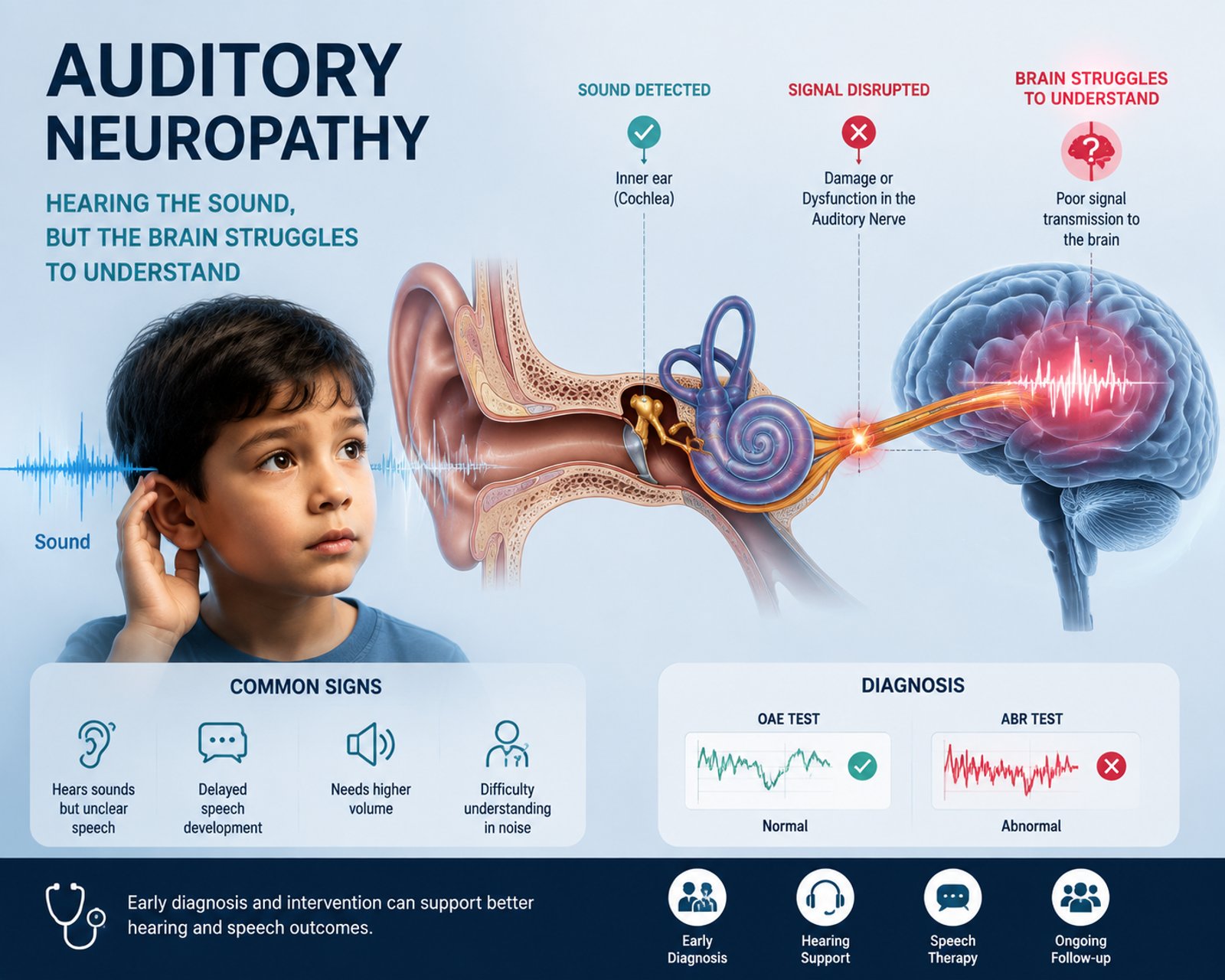
Vertigo has many possible causes. Most often, it comes from problems in the inner ear. The inner ear helps control balance. Some common causes include:
Less often, vertigo can be a sign of more serious problems, such as stroke or brain tumors. Therefore, knowing the cause is important for proper treatment.
How is Vertigo Diagnosed?
Doctors use several methods to diagnose vertigo. First, they ask about your symptoms and medical history. Next, they may perform a physical exam. Often, special tests check your balance, eye movements, and hearing. Sometimes, doctors order blood tests or brain scans. These steps help rule out serious causes and guide treatment.
When is Vertigo Considered Serious?
Usually, vertigo is not life-threatening. However, it can be serious if it comes with other warning signs. You should seek help if you notice:
These symptoms may signal a stroke or heart problem. In such cases, vertigo seriousness increases. Quick medical care is needed to avoid vertigo complications.
Treatment Options for Vertigo
Treatment depends on the cause. For example, doctors may suggest:
Most people improve with simple treatments. Yet, some may need ongoing care to prevent future attacks.
Prevention and Lifestyle Tips
While you cannot always prevent vertigo, some steps may help. For instance:
Additionally, regular check-ups can catch problems early. These tips can lower your risk of dizziness causes and vertigo complications.
When to See a Doctor
Sometimes, vertigo goes away on its own. However, you should see a doctor if:
Early treatment can prevent vertigo from getting worse. It can also help you avoid serious complications.
In summary, vertigo can range from mild to serious depending on the underlying cause. If you experience persistent or severe vertigo, consult Asian ENT Care Center for personalized guidance from an ENT specialist.