
What is Winter Sinusitis?
Winter sinusitis is a common problem in cold weather. It happens when the small air spaces inside your nose get blocked and irritated. Cold air, dry weather, and frequent colds can cause mucus to build up, making it hard to breathe properly. This can lead to a blocked nose, facial pressure, headache, and discomfort. Understanding these signs early can help you take the right steps to feel better faster.
Common Causes of Winter Sinusitis
Several factors can trigger winter sinusitis. Understanding these causes can help you prevent problems.
- Dry indoor air: Heaters make the air dry, which can irritate your nose.
- Colds and flu: These are more common in winter and can lead to sinus infections.
- Allergies: Dust and mold indoors may trigger sinus problems.
- Sudden temperature changes: Moving from cold outdoor air to warm indoor air can affect your sinuses.
- Weakened immune system: Your body may be less able to fight germs in winter.
Because these factors are common in winter months, sinusitis often flares up during this time.
Recognizing Symptoms
It is important to spot sinusitis symptoms in winter early. This helps you get treatment before things get worse. Common signs include:
- Stuffy or blocked nose
- Thick, yellow or green nasal discharge
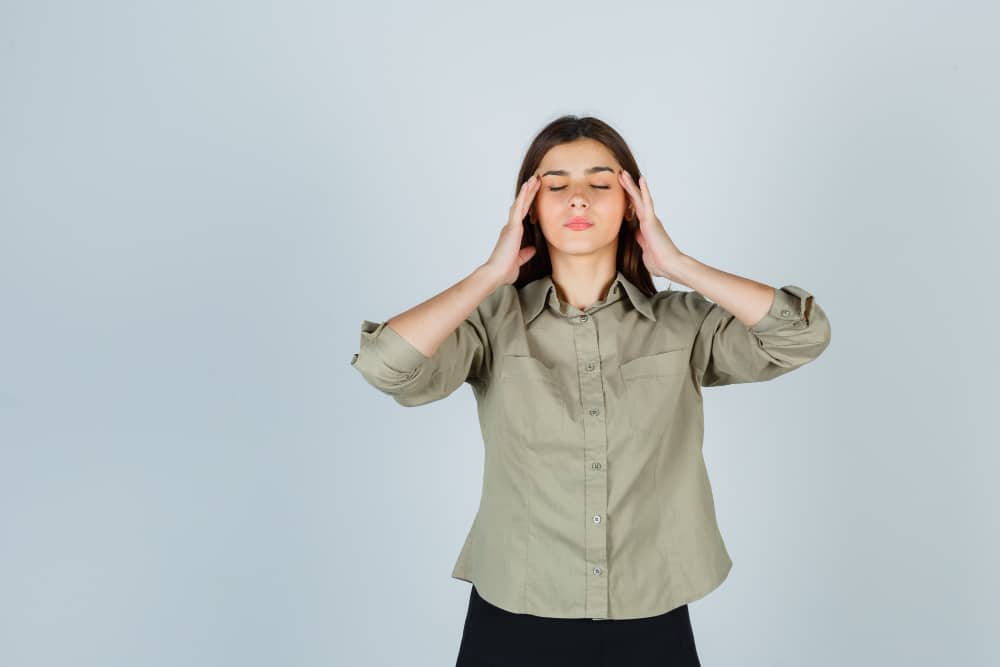
- Facial pain or pressure, especially around the eyes or forehead
- Headache that gets worse when you bend over
- Loss of smell or taste
- Cough, often worse at night
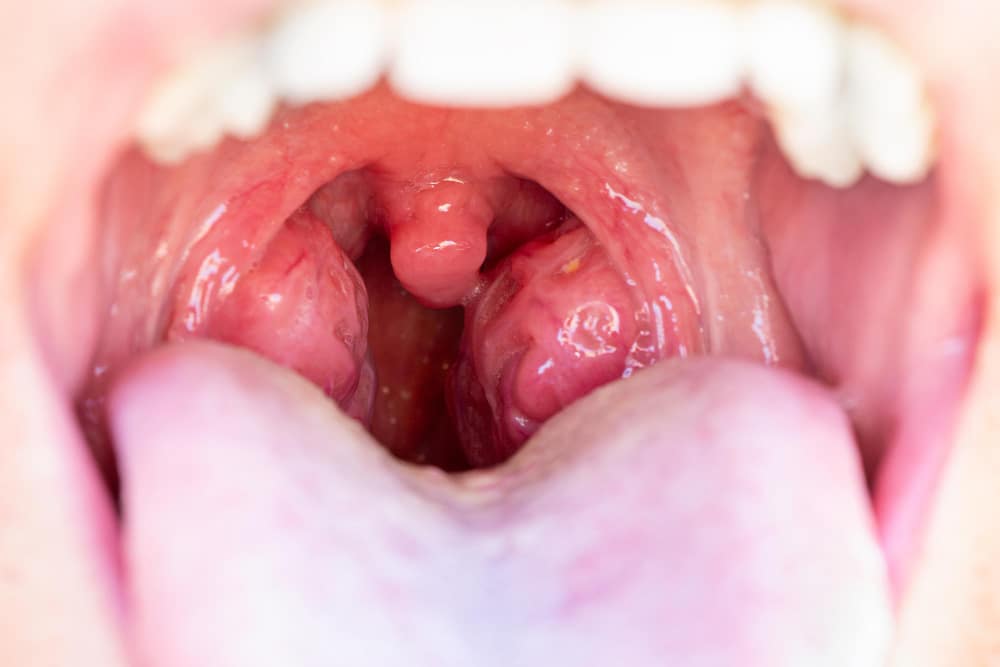
- Sore throat or bad breath
- Mild fever
However, not everyone will have all these symptoms. If you notice several of them, it may be winter sinusitis.
Diagnosis and When to See an ENT
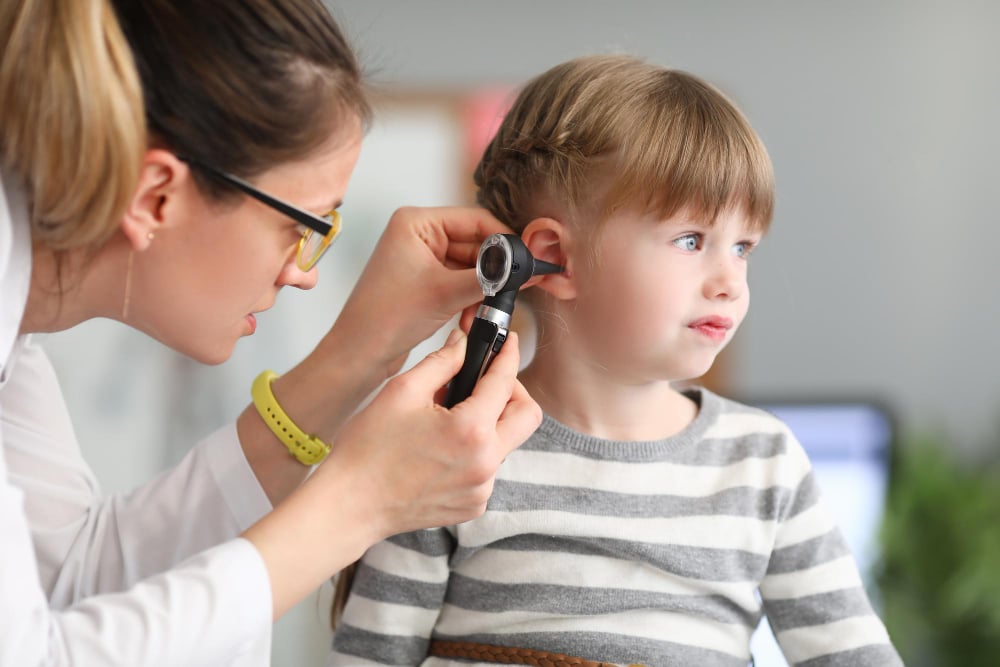
Most cases of winter sinus infection get better on their own. But sometimes, you may need to see an ENT specialist for sinusitis. An ENT is a doctor who treats ear, nose, and throat problems. They can help if your symptoms last more than 10 days, or if they get worse after a week. According to the CDC, you should also seek help if you have:
- Severe headache or facial pain
- High fever that does not go away
- Vision changes or swelling around the eyes
- Confusion or stiff neck
Because these can be signs of a serious infection, do not wait to get help.
Treatment Options
There are several ways to treat winter sinusitis. Your doctor may suggest:
- Drinking plenty of fluids to thin mucus
- Using a humidifier to add moisture to the air
- Saline nasal sprays or rinses to clear your nose
- Warm compresses on your face to ease pain
- Over-the-counter pain relievers, like acetaminophen or ibuprofen
Sometimes, your doctor may prescribe antibiotics if a bacterial infection is likely. However, most sinus infections are caused by viruses, so antibiotics are not always needed. Always follow your doctor’s advice for the best results.
Prevention Tips for Winter Sinusitis
There are simple steps you can take to prevent winter sinusitis. Try these tips:
- Wash your hands often to avoid catching colds
- Use a humidifier to keep indoor air moist
- Avoid sudden temperature changes when possible
- Stay away from smoke and strong odors
- Keep your home clean to reduce dust and mold
- Drink enough water every day
Because prevention is easier than treatment, these habits can help you stay healthy all winter.
When to Consult an ENT Specialist
Sometimes, home care is not enough. You should consult an ENT specialist for sinusitis if:
- Your symptoms last longer than 10 days
- You have frequent sinus infections each winter
- You notice severe pain, swelling, or vision changes
- Over-the-counter treatments do not help
Because ENT specialists have special training, they can offer advanced care. They may suggest tests or treatments to help you feel better faster.
If you experience persistent sinus symptoms this winter, consult an ENT specialist at Asian ENT Care Center for personalized care.