
Adenoid & tonsil issues in kids are common. These problems can cause trouble with breathing, sleeping, and eating. Early recognition of adenoid problems in children or tonsil symptoms in kids helps prevent bigger health concerns. Because these tissues are part of the immune system, they often swell or get infected. Knowing the signs of enlarged adenoids or when to worry about tonsils helps parents act quickly. In this blog, you will learn what to watch for and when to seek help.
What Are Adenoids and Tonsils?
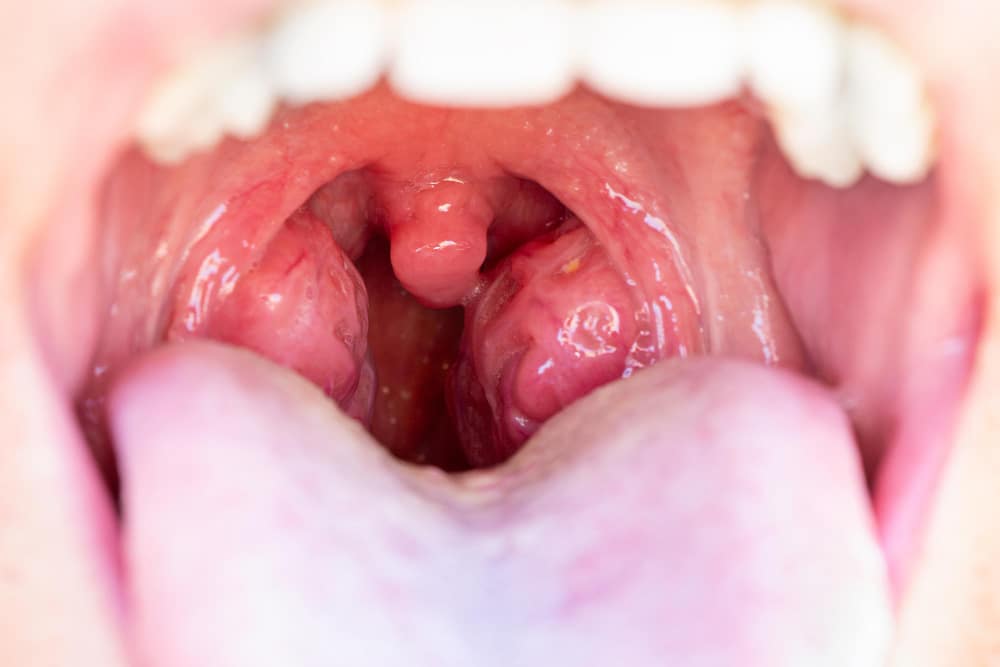
First, it helps to know what adenoids and tonsils are. Both are small lumps of tissue in the back of the throat. Adenoids sit higher, behind the nose. Tonsils are on each side of the throat. Both help fight germs that enter through the mouth or nose. However, they can become swollen or infected, especially in children. As kids grow, these tissues often shrink and cause fewer problems.
Common Signs and Symptoms in Kids
Many children have mild symptoms. But sometimes, adenoid & tonsil issues in kids can cause bigger problems. Watch for these signs:
For example, if your child often snores or wakes up tired, enlarged adenoids may be the cause. Likewise, repeated sore throats can signal tonsil problems.
Causes and Risk Factors
Several things can lead to adenoid or tonsil issues in children. Some kids are more likely to have these problems. Common causes and risk factors include:
Because young children are still building their immune systems, they often get more infections. This can make adenoids and tonsils swell more often.
How Are Adenoid & Tonsil Issues Diagnosed?
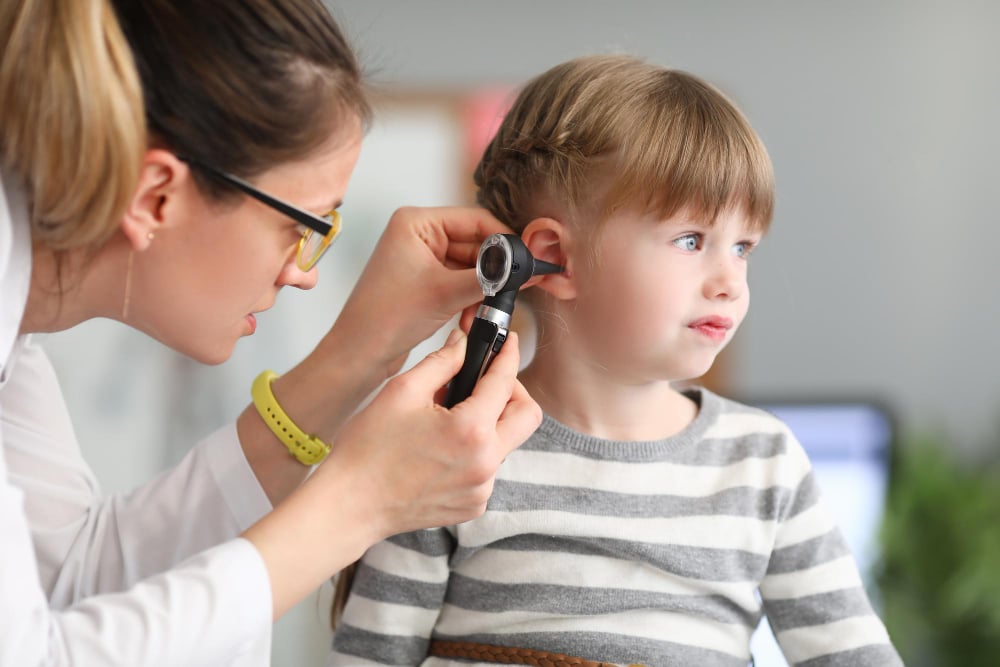
Doctors use several methods to check for adenoid and tonsil problems. Usually, they start with a physical exam. They may look in your child’s mouth and throat. Sometimes, they use a small mirror or a light. In some cases, doctors may:
Early diagnosis helps prevent complications. According to the CDC, untreated problems can lead to ear infections or trouble with growth.
Treatment Options for Children
Treatment depends on how severe the symptoms are. Often, mild cases get better on their own. However, some children need more help. Common treatments include:
Most children recover quickly after treatment. The World Health Organization notes that surgery is safe and often helps children breathe and sleep better.
Prevention and Home Care Tips
While you cannot prevent all adenoid or tonsil problems, some steps can lower the risk. Try these tips at home:
Additionally, regular doctor visits help catch problems early. If your child has allergies, managing them can also help prevent swelling.
When to See a Doctor
Sometimes, home care is not enough. See a doctor if your child:
Early medical care can prevent serious problems. If you notice any of these signs in your child, consult an ENT specialist for personalized guidance.